


Products are selected by our editors, we may earn commission from links on this page.

Concern over nuclear waste rarely draws public attention until regulators raise warnings, and that moment now surrounds Los Alamos National Laboratory in northern New Mexico. The facility built the first atomic bomb during World War II, and decades of weapons research later left hazardous material scattered across the surrounding land.
Meanwhile, attention has moved toward groundwater conditions near the site as investigators review records tied to earlier disposal practices. Historical operations buried waste in unlined landfills and septic systems, and mid-1900s records also show industrial chemicals released into nearby canyons.
Against that backdrop, New Mexico regulators have begun pressing federal agencies to explain continued delays in removing legacy waste. State officials recently announced enforcement actions tied to groundwater violations near Los Alamos, which now places federal cleanup efforts under growing scrutiny.
Groundwater Contamination Near Los Alamos
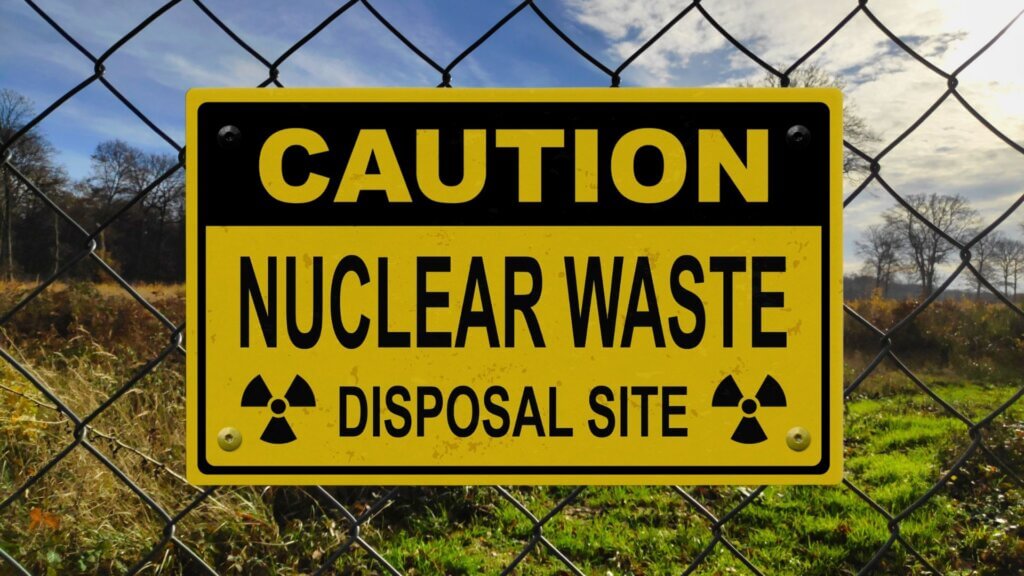
Investigators have directed attention toward groundwater beneath Los Alamos National Laboratory as records tied to past disposal practices continue drawing scrutiny. During earlier decades of nuclear weapons research, crews buried hazardous waste in unlined landfills and septic systems across the laboratory grounds, which later raised concern about possible migration into nearby water systems.
Focus then moved toward hexavalent chromium, a carcinogenic heavy metal released into a nearby canyon between 1956 and 1972. Monitoring later detected the chemical in the regional aquifer, and those findings gradually expanded concern across surrounding communities that depend on groundwater supplies.
Testing later confirmed contamination beneath land connected to San Ildefonso Pueblo, where measurements reached about 140% above New Mexico groundwater standards. Regulators now continue tracking the underground plume through expanded monitoring around the Los Alamos area as investigations remain ongoing.
Legacy Nuclear Waste Cleanup Delays
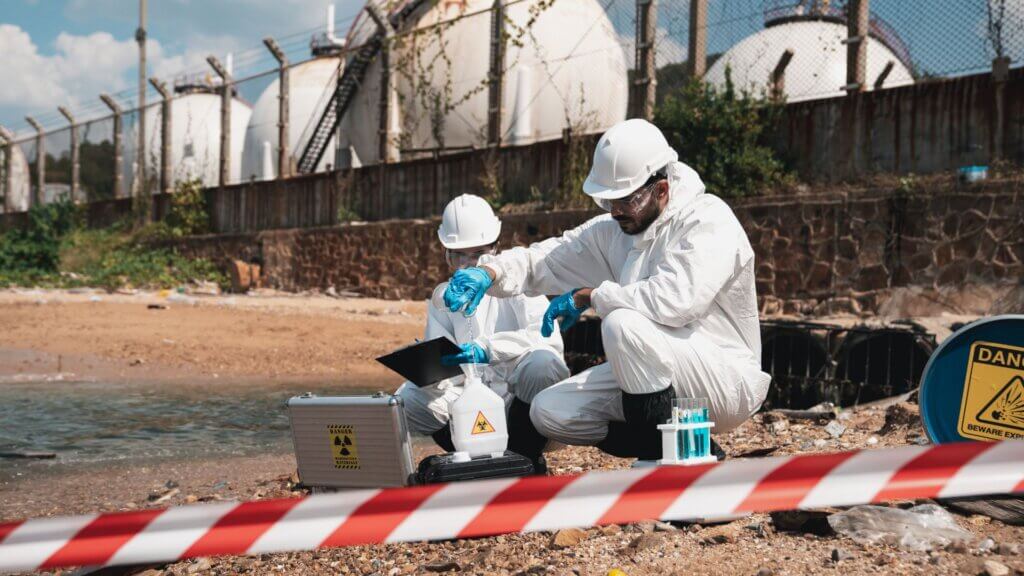
Attention has moved toward the growing backlog of nuclear waste cleanup work at Los Alamos National Laboratory, where regulators say large volumes of hazardous material remain untreated decades after Cold War weapons production. State officials say repeated missed deadlines have left radioactive and chemical waste buried across sections of the site.
From there, the dispute expanded when the New Mexico Environment Department announced enforcement actions against the U.S. Department of Energy tied to groundwater safety violations near the laboratory. Regulators are seeking civil penalties that could reach $16 million, and officials wrote that the ongoing presence of hazardous material reflects “a longstanding lack of urgency.”
Meanwhile, Los Alamos now stands at the center of plans to produce plutonium bomb cores for the modern U.S. nuclear arsenal. That development has drawn renewed attention toward roughly 500,000 cubic meters of legacy waste that remain across the laboratory grounds.
Federal Oversight And Nuclear Waste Storage Debate
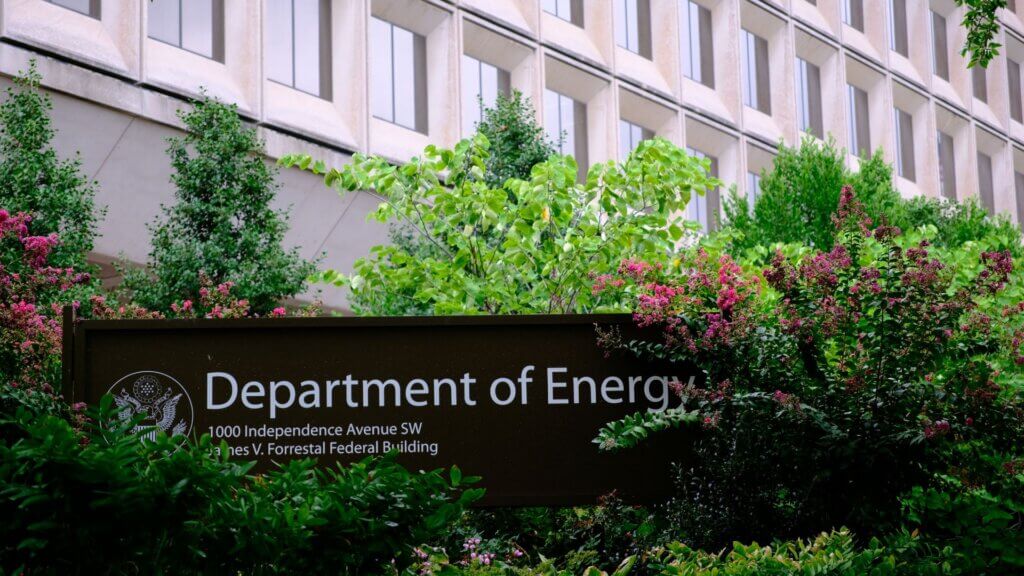
Federal oversight of nuclear waste management continues drawing scrutiny as legacy material from earlier weapons programs remains stored near research facilities across the United States. The Department of Energy still lacks a permanent national disposal facility for long-lived radioactive waste, so contaminated material from earlier decades often remains near the laboratories where it originated.
That situation continues to raise questions about long-term storage plans as nuclear modernization programs move forward across the federal weapons complex. Los Alamos now sits at the center of those efforts because the laboratory prepares to expand plutonium bomb core production, and that development could generate additional waste while older material still waits for removal.
Federal officials say the agency remains committed to public safety, efficiency, and transparency while reviewing enforcement actions announced by New Mexico regulators. State authorities continue requesting documentation explaining why cleanup work has been deferred for years.