

Products are selected by our editors, we may earn commission from links on this page.
Weight-loss drugs such as Ozempic, Wegovy, Mounjaro, and Zepbound are already widely used to help people manage obesity and type 2 diabetes. Now, a growing body of research suggests these medications may provide another major benefit: reducing the risk of certain cancers and potentially improving outcomes for some cancer patients. Several studies presented at the 2026 American Society of Clinical Oncology (ASCO) annual meeting found significant links between GLP-1 medications and lower rates of cancer development, progression, and death. While researchers caution that more studies are needed, the findings have generated excitement throughout the medical community.
The Studies Focused on Popular GLP-1 Medications

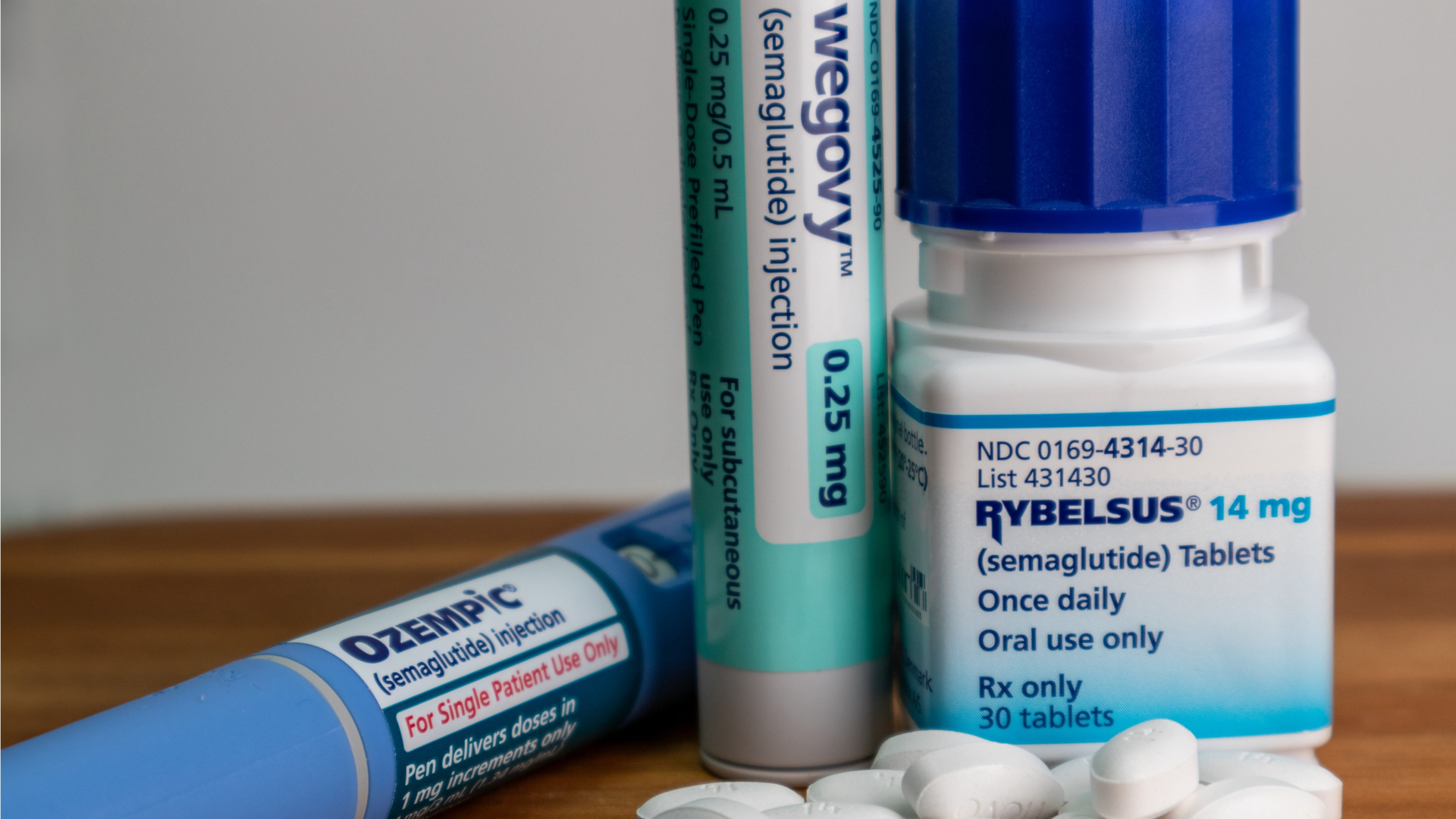
The research centered on GLP-1 receptor agonists, a class of drugs originally developed to treat diabetes before becoming widely prescribed for weight loss. These medications work by mimicking a natural hormone that helps regulate blood sugar, appetite, and digestion. Drugs in this category include semaglutide-based treatments such as Ozempic and Wegovy, as well as tirzepatide-based medications such as Mounjaro and Zepbound. Researchers believe the drugs’ effects on weight, inflammation, and metabolism may influence cancer risk.
One Study Found a Lower Risk of Breast Cancer

One of the most notable studies analyzed health records from more than 110,000 women between the ages of 45 and 80. Researchers found that women taking GLP-1 medications were approximately 30% less likely to develop breast cancer than women who were not taking the drugs. The study was led by researchers at the University of Pennsylvania and presented at the ASCO conference. Investigators emphasized that the findings show an association rather than proof that the medications directly prevent cancer.
Researchers Also Saw Improved Survival Rates

A separate study involving approximately 27,000 breast cancer patients found that adding GLP-1 medications to standard treatment was associated with a 30% reduction in the risk of death. Researchers believe the medications may help improve outcomes by reducing obesity-related factors that can contribute to cancer progression. While the results are encouraging, scientists stress that randomized clinical trials will be necessary to confirm the findings.
Evidence Suggests Some Cancers May Progress More Slowly

Another large study examined nearly 12,000 patients with breast, lung, colorectal, and liver cancers. Researchers found that patients taking GLP-1 drugs were between 38% and 50% less likely to see their disease progress to stage IV cancer compared with similar patients receiving other diabetes medications. The strongest signals were observed in several obesity-related cancers, leading researchers to explore whether the drugs may influence tumor growth and spread.
Weight Loss May Be Only Part of the Explanation

Scientists initially assumed any cancer benefit would result primarily from weight reduction, since obesity is a known risk factor for many forms of cancer. However, researchers now believe additional mechanisms may be involved. GLP-1 medications appear to reduce inflammation, improve metabolic health, and influence biological pathways linked to cancer development. Some experts suspect these effects could contribute independently to lower cancer risk.
Experts Urge Caution Despite the Promising Results

Although the findings have generated considerable excitement, experts caution against viewing GLP-1 drugs as cancer treatments at this stage. Most of the current evidence comes from observational studies, which can identify associations but cannot prove cause and effect. Researchers emphasize that clinical trials specifically designed to test cancer outcomes are still needed. Several such studies are now being planned.
Researchers Are Exploring Multiple Cancer Types

Beyond breast cancer, researchers are examining whether GLP-1 medications may influence the risk of liver, colorectal, endometrial, ovarian, esophageal, and prostate cancers. A recent scientific review concluded that evidence increasingly points toward potential protective effects for several cancer types, though questions remain regarding long-term risks and benefits. Scientists continue to investigate exactly how these medications interact with cancer-related biological processes.
The Findings Could Expand the Role of Weight-Loss Drugs

If future clinical trials confirm the current findings, GLP-1 medications could become part of broader cancer prevention and treatment strategies. Researchers believe these drugs may eventually help reduce cancer risk among people with obesity or improve outcomes when combined with existing therapies. Such a development would represent a major expansion of their role beyond weight management and diabetes care. However, experts emphasize that science is still evolving.
A Promising Area of Cancer Research

Studies presented in 2026 suggest that GLP-1 weight-loss drugs may do far more than help people lose weight. Researchers found evidence linking the medications to lower rates of breast cancer, reduced cancer-related deaths, and slower progression of several major cancer types. While the results remain preliminary and require confirmation through clinical trials, many cancer experts believe the findings represent one of the most intriguing developments in oncology research this year. As scientists continue investigating the connection, GLP-1 medications may eventually become an important tool in both cancer prevention and treatment.