

Products are selected by our editors, we may earn commission from links on this page.
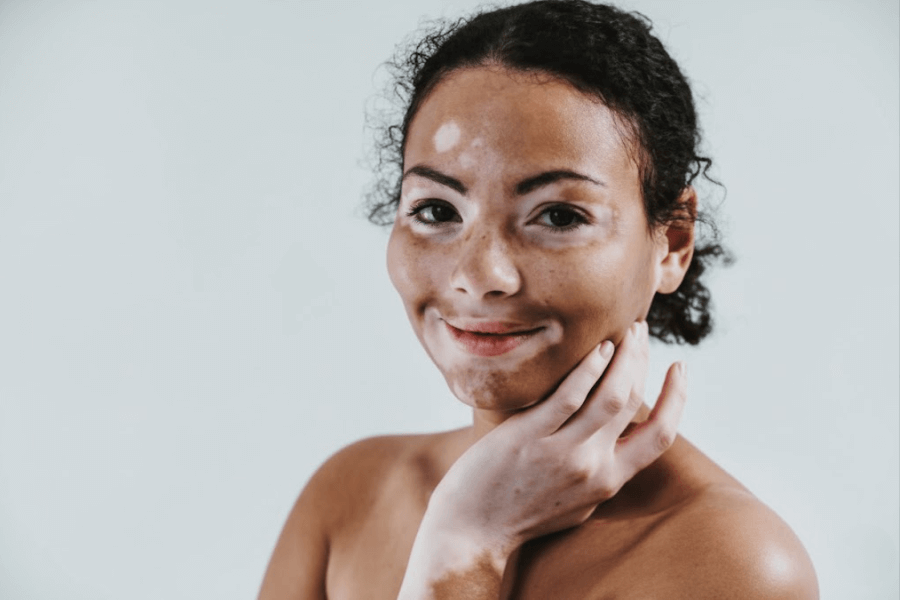
The internet’s newest beauty obsession isn’t louder lashes or glossier lips; it’s restraint. Across TikTok, Reddit, and YouTube, users are quietly trading high-effort aesthetics for something more understated: a stripped-back, low-intervention approach that prizes authenticity over artifice. Dubbed “quiet beauty” or the anti-influence movement, this shift reflects more than fatigue with trends. It signals a growing mistrust in beauty marketing itself.
The Rise of Anti-Influence

The beauty world, once driven by bold looks and viral routines, is recalibrating. Consumers burned out by constant product cycles are turning toward creators who do the opposite — discouraging unnecessary purchases and promoting minimalist habits. According to BeautyMatter, this quiet content style resonates because it aligns with transparency, calm, and skepticism, rather than hype.
Why Overconsumption Lost Its Allure

For years, “get ready with me” videos fueled beauty’s boom. But in 2025, audiences are pushing back against routines that require 12 steps and $500 worth of serums. Online, users are admitting regret for past spending sprees, calling out beauty traps that promised transformation but delivered exhaustion. It’s not rejection of beauty, it’s a reevaluation of what’s worth doing.
Minimalism as the New Luxury
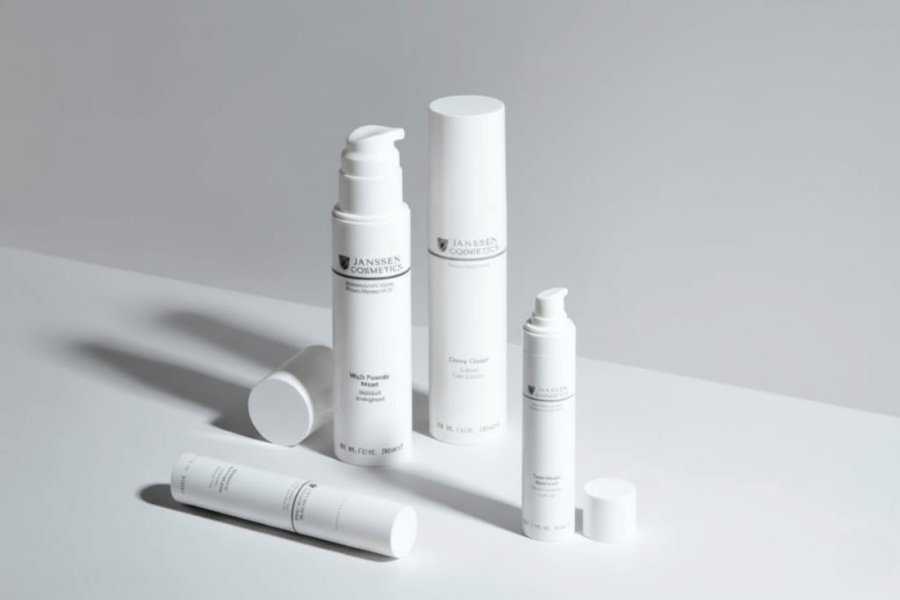
On social platforms, less has become the new statement. Clean faces, barely-there tints, and undone hair dominate feeds once ruled by contour palettes. Brands are adapting, reframing simple as sophisticated. TheIndustry.beauty notes that rice-based creams and tallow balms — everyday ingredients — are now rebranded as high-end essentials.
The Wellness Logic Behind It All
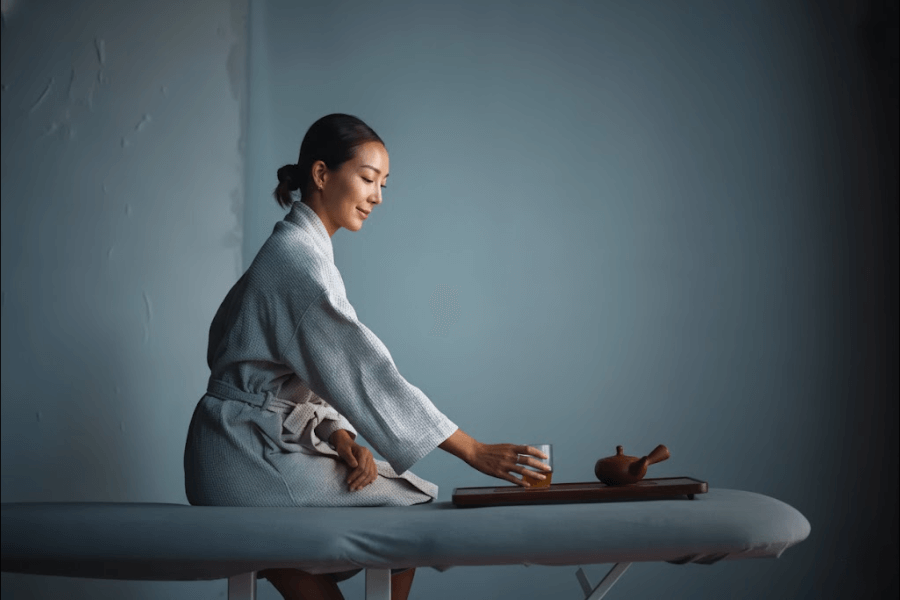
This quiet beauty moment isn’t purely aesthetic. It reflects a deeper wellness logic; beauty as maintenance, not correction. Glimpse reports that biotech skincare, barrier repair, and ingestible collagen supplements are leading trends precisely because they promise subtle, internal results. The new status symbol isn’t looking airbrushed, it’s looking well-rested.
A Backlash to Performance Beauty
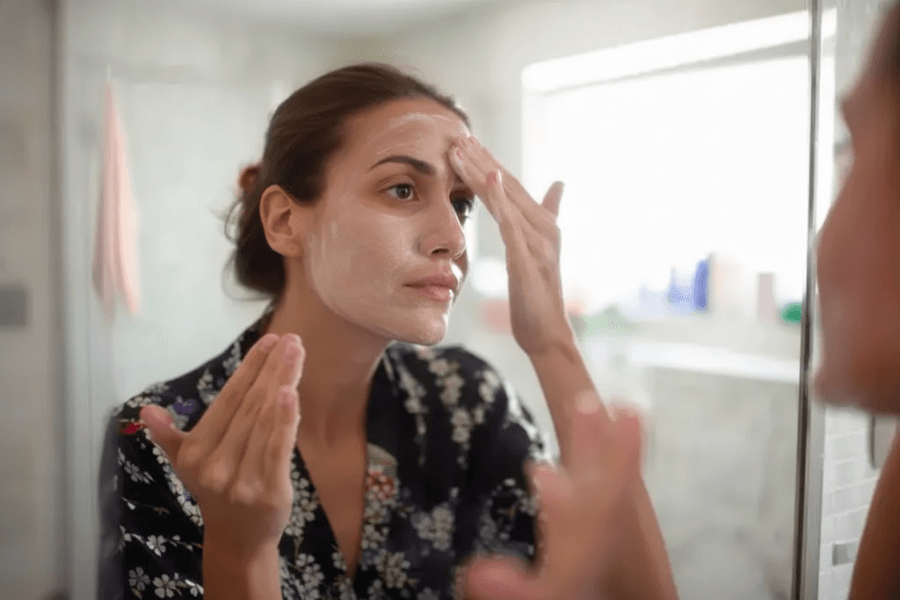
Every major movement needs an opposite, and the backlash to performative beauty has arrived. Online, users debate whether the no-makeup aesthetic is empowering or just another trend with rules. Some argue it’s still performative — a curated kind of effortless. Others see it as liberation from algorithms that once rewarded perfection. Either way, restraint has become a conversation starter.
How the Industry Is Reacting
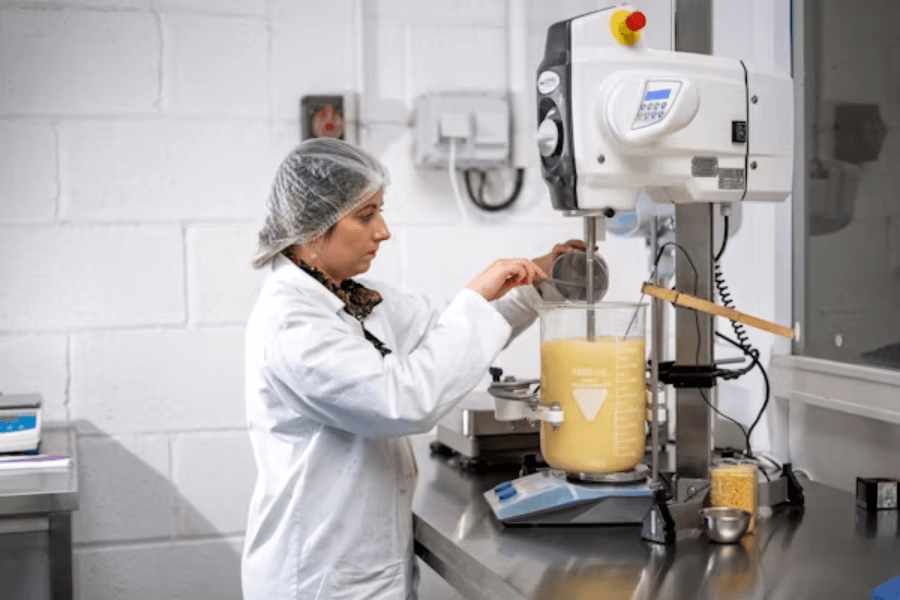
Brands are adapting faster than expected. “Non-toxic” labels, simplified ingredient lists, and hybrid skincare-makeup formulas are now the baseline, not the exception. Instead of selling fantasy, marketers are now selling balance. Yet the irony isn’t lost on consumers: even minimalism can be monetized.
Social Media’s Quiet Revolution
Beauty influencers who once relied on high drama now find success in whispery, honest storytelling; a form of digital ASMR for the beauty-fatigued. Their appeal lies in tone: calm, real, and unfiltered. As one analyst put it, this shift rewards patience in an industry built on urgency. The feed is slowing down, and audiences aren’t complaining.
Why This Trend Feels Different

Unlike fast-moving aesthetics, this one isn’t defined by a single look but by philosophy. It asks: what happens when looking natural becomes aspirational again? The answer isn’t clear, but the debate is. The quiet beauty movement may not replace glam culture, but it’s changing how consumers talk about value, effort, and authenticity.
Minimalism Might Be the Loudest Statement Yet
The beauty world has always reinvented itself, but this time, the change feels different. Quiet beauty isn’t about giving up; it’s about pushing back against pressure, perfection, and performance. In a culture built on visibility, choosing subtlety has become its own rebellion. The question now isn’t whether minimalism will last, but what it says about us that simplicity feels radical. Maybe silence isn’t the absence of beauty trends — maybe it’s the boldest one we’ve had in years.