

Products are selected by our editors, we may earn commission from links on this page.
In every family, there’s that one older person who feels almost impossible to explain. They remember every birthday, follow every story, crack jokes faster than the rest of the table, and somehow stay mentally sharp while others their age struggle to recall what they ate yesterday.
Scientists have a name for people like this: SuperAgers. And after tracking them for 25 years, researchers say these rare 80-plus adults share one habit so consistently that it’s starting to look less like a coincidence and more like a clue. Is this habit something any of us can choose, or is it something you’re either born with?
Who Exactly Are “SuperAgers”?

SuperAgers are adults in their 80s and beyond who perform on memory tests like people 20 to 30 years younger. They don’t just “do okay for their age.” They stay in a cognitive lane that most people leave decades earlier. Brain scans and post-mortem studies show they also lose brain volume more slowly, especially in regions tied to attention, decision-making, and memory. In short: they are living proof that major cognitive decline is not guaranteed just because you’ve aged.
The Northwestern SuperAging Program has followed SuperAgers for a quarter century, comparing them with peers who show more typical age-related decline. The newest perspective paper, published in Alzheimer’s & Dementia, pulls together decades of brain imaging, cognitive testing, lifestyle tracking, and brain donations. Researchers aren’t claiming they’ve solved aging. But they are saying the pattern in these people is too strong to ignore, and it points to a habit that keeps showing up no matter how different their diets, careers, or backgrounds were.
Here’s the twist: the one habit wasn’t a trendy supplement, a strict diet, or a high-intensity workout routine. It was social. SuperAgers, across the board, tended to be highly socially engaged; more outgoing, more connected, and more consistently involved with other people than typical older adults. Researchers describe them as the kind of people who keep friendships alive, show up to gatherings, volunteer, join groups, and stay woven into community life.
Scientists think social engagement works like a daily brain workout. Conversations require memory, attention, emotional reading, quick thinking, and constant adjustment, especially in group settings where your brain is juggling multiple signals at once. Over years, that mental “exercise” may strengthen neural networks the way repetitive physical activity strengthens muscle. Even researchers who are cautious about cause-and-effect agree that the brain is not built to thrive in isolation.
The Brain Clue Hiding Behind Their Friendliness
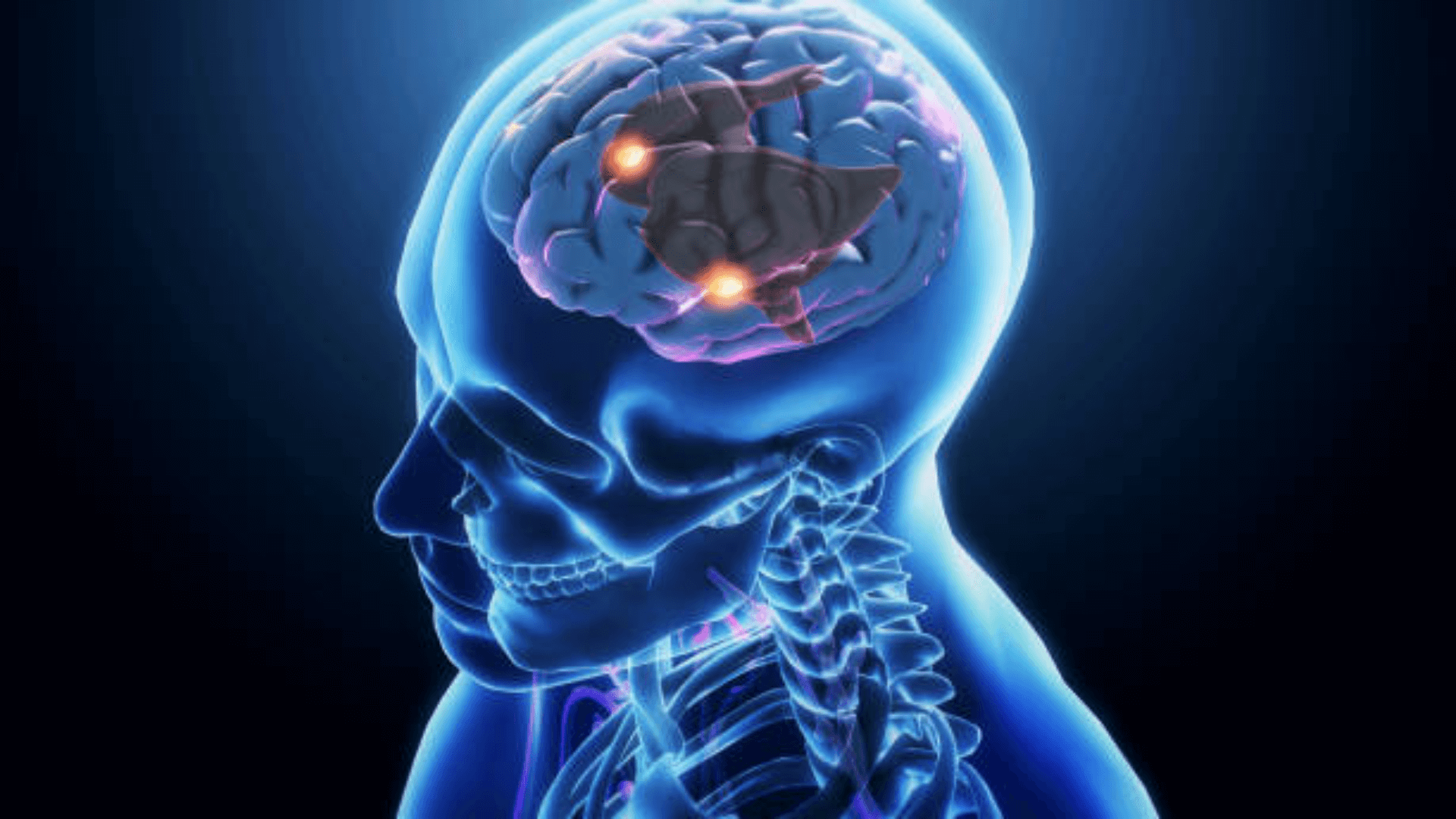
SuperAgers also show unusual brain biology. One standout finding is that they have significantly more von Economo neurons — rare, large neurons linked to social awareness, empathy, and emotional regulation. They also tend to preserve thickness in the anterior cingulate cortex, a region involved in motivation and social bonding. The big debate researchers are still wrestling with is which came first: did social living build these brain advantages, or did their brain advantages make them more social?
This is where the comment-section argument starts. Some people will say, “I’m introverted, so I’m doomed?” But researchers don’t frame it that way. SuperAgers aren’t described as party animals. They’re described as people who stay meaningfully connected. That can look like a tight circle of friends, weekly family visits, church groups, hobby clubs, neighborhood routines, or volunteering.
Yes, those still matter. But the takeaway is that SuperAgers didn’t have one identical “perfect health blueprint.” Some exercised a lot, some didn’t. Some ate very well, others were average. What kept appearing as a shared trait was social connection and independence. That doesn’t mean food or movement don’t help. It means social engagement may be a missing chunk of the brain-health puzzle that people underestimate because it feels less measurable than steps or calories.
The Warning the Study Implies

Doctors involved in aging research increasingly warn that loneliness is not a “sad feeling”. It’s a medical risk factor. Long-term isolation is associated with higher risks of cognitive decline and dementia, on top of cardiovascular harm. From that lens, SuperAgers aren’t just lucky outliers. They may be showing us what happens when brains stay socially fed for decades. In other words, protecting memory might be as much about people as it is about puzzles.
The Northwestern study doesn’t promise a magic shield against aging. But it does give a simple, almost human-obvious clue: the sharpest older brains weren’t lived alone. SuperAgers kept showing up to life through other people conversations, relationships, routines, communities. Maybe that habit built stronger brains. Maybe stronger brains made that habit easier. Either way, it’s hard to look at the pattern and not wonder what it means for the rest of us. So if staying socially connected is one of the strongest signals of lifelong cognitive strength, why do we still treat it like it’s optional?