

Products are selected by our editors, we may earn commission from links on this page.
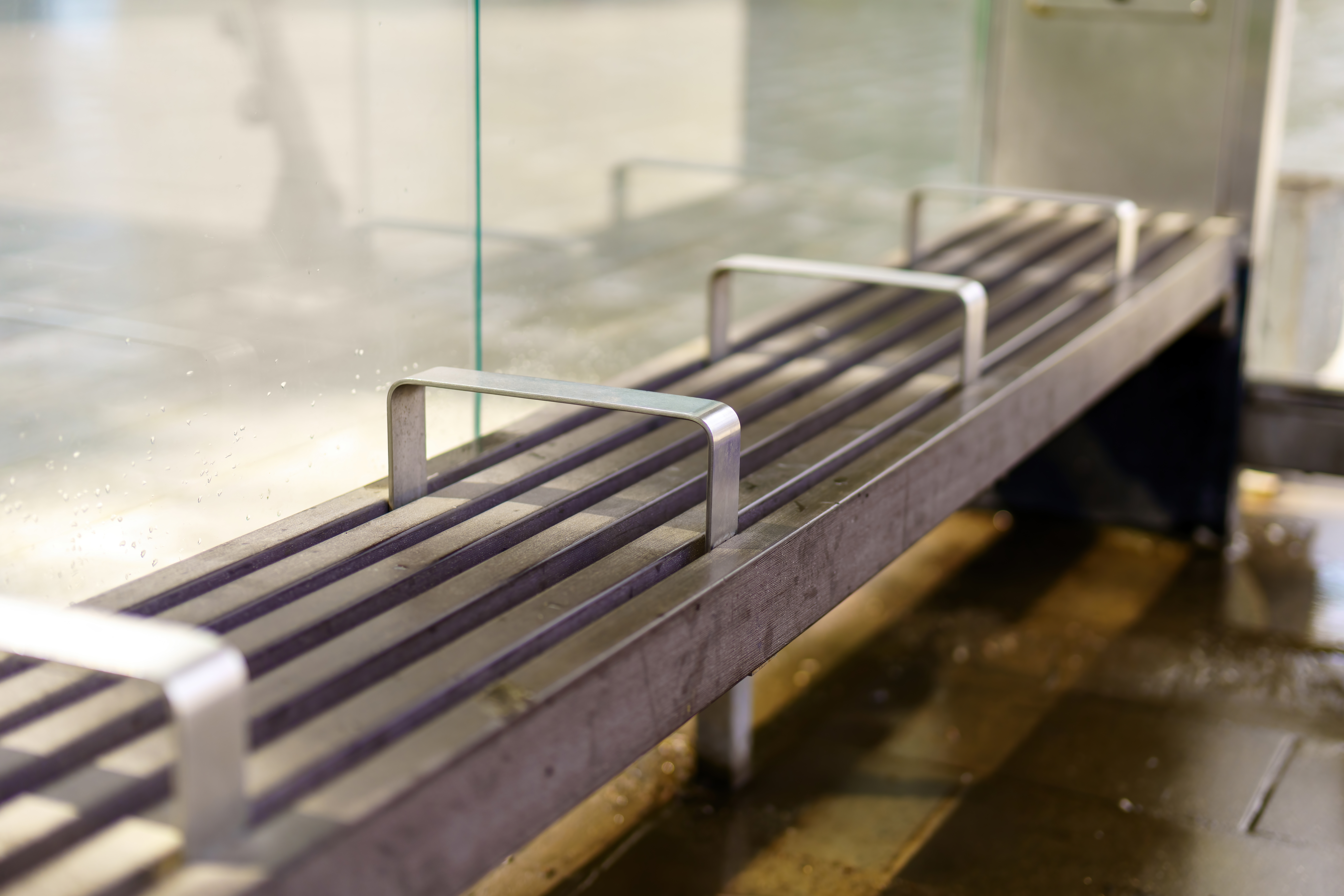
Have you ever looked at a park bench and wondered why it has a divider right in the middle? For many people, it’s just another piece of street furniture. For others, it’s a symbol of a much larger debate about who gets to feel welcome in public spaces. That conversation resurfaced after a city council member in Morgantown, West Virginia, reacted to a newly installed divided bench by saying, “That is so silly.”
The remark came as Morgantown’s City Council voted 5-2 to prohibit the installation of what it calls “hostile architecture” in future public infrastructure projects, repairs, and replacements. The resolution targets design features intended to discourage people from resting, sitting, or lying down through discomfort rather than legitimate safety or operational needs. Examples include benches with center dividers, sloped seating, spikes, uneven pavement, and barriers that make lingering difficult.
The resolution does not require the city to immediately replace every existing bench, but it establishes a long-term policy favoring more inclusive public spaces. A preliminary inventory identified about 15 city park benches with hostile design features, along with others managed by local transit and parks agencies. Supporters say the goal is not only to rethink benches but to shape future public spaces around accessibility rather than exclusion.
What Is ‘Hostile Architecture’ And Why Does It Exist?
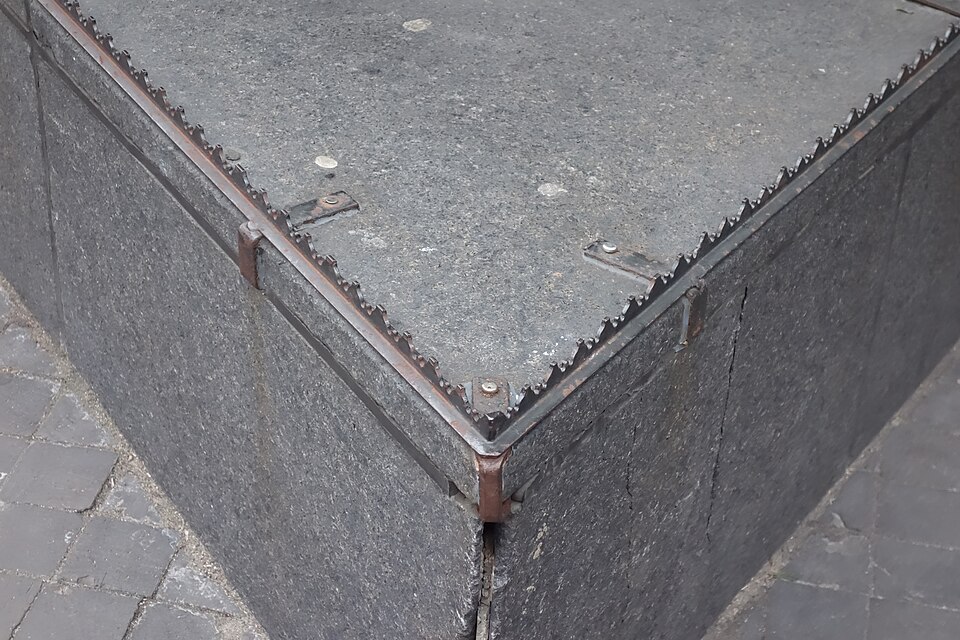
Hostile architecture, sometimes called defensive or anti-homeless design, refers to physical features intentionally added to public spaces to discourage certain behaviors, particularly sleeping or extended resting. Common examples include center armrests on benches, sloped seating, metal spikes beneath overhangs, strategically placed planters, uneven paving, and barriers that prevent people from using sheltered areas. Advocacy groups argue these features push vulnerable people out of sight rather than addressing the causes of homelessness.
Academic researchers note that hostile design extends beyond benches. Studies describe it as a broader strategy that configures public spaces to restrict access for specific groups, particularly people experiencing homelessness. Some scholars argue these designs amount to direct or indirect discrimination because they disproportionately disadvantage people who rely most heavily on public spaces for rest and shelter.
Researchers have also examined how seemingly small design choices carry social consequences. Benches fitted with center armrests or partitions are often presented as ordinary seating, yet they also make it difficult or impossible to lie down. According to research on public-space design, these modifications reflect broader social decisions about how cities encourage certain uses of public infrastructure while discouraging others.
Accessibility Complicates the Debate
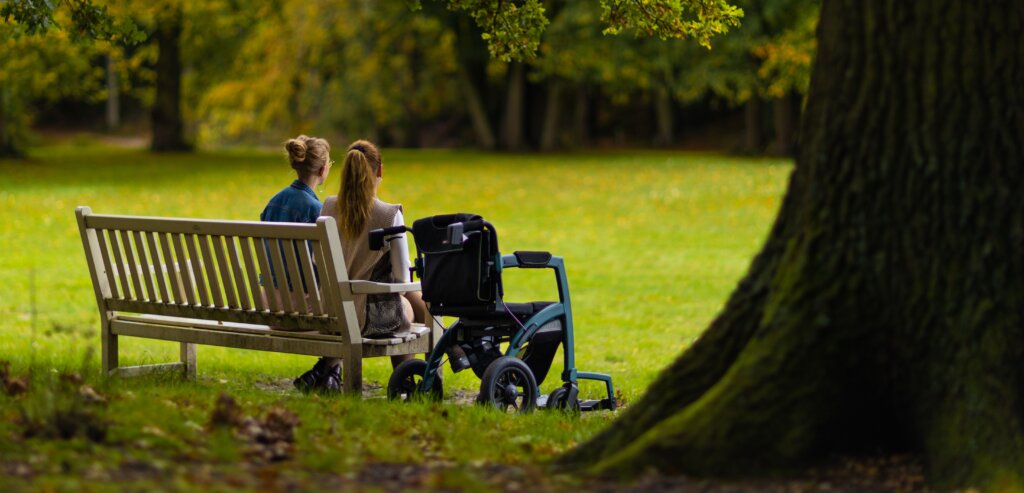
While many people see divided benches as exclusionary, others argue the issue is more nuanced. During Morgantown’s public meeting, several residents and council members raised concerns that removing armrests altogether could create new barriers for seniors and people with mobility disabilities who rely on them for support when standing up. Funding for some of the city’s benches had even come from AARP-West Virginia through a community grant program.
Supporters of the resolution responded that accessibility and hostile design are not the same thing. Disability Rights West Virginia backed the city’s decision, saying public spaces should remove barriers rather than create them. Council sponsor Brian Butcher also pointed to Americans with Disabilities Act guidance, noting that benches can remain accessible with armrests positioned at the ends rather than splitting every seating space.
That balance is reflected in broader public discussions. Urban planners, designers, and community members have argued that armrests can serve legitimate purposes, such as improving accessibility, defining personal space, or discouraging skateboarding. Others counter that repeated center dividers primarily function to prevent people from lying down. The debate illustrates why identifying hostile architecture often depends on both the design itself and the context in which it is used.
What the Morgantown Vote Could Mean Beyond One City

Although the immediate focus is on one West Virginia city, the discussion asks bigger questions about how communities design shared spaces. Critics of hostile architecture argue that redesigning public infrastructure to move vulnerable people elsewhere does little to solve homelessness and instead shifts people farther from services and support networks. Supporters of more inclusive design say public spaces should accommodate a wide range of users without relying on discomfort as a deterrent.
Morgantown’s resolution does not require the city to replace existing benches right away. Instead, it sets a policy for future projects, meaning benches and other public infrastructure will be updated as they are repaired or replaced over time. Even council members who voted against the measure said they support adding more public seating, but objected to the term “hostile architecture” rather than the effort to make public spaces more welcoming.
Whether other cities follow Morgantown’s approach remains to be seen, but the discussion has already expanded far beyond one bench. It has prompted residents, designers, accessibility advocates, and policymakers to reconsider how everyday objects shape public life—and whether the best public spaces are those that quietly keep certain people away or those designed to welcome everyone.