

Products are selected by our editors, we may earn commission from links on this page.
The Black Knight Satellite is one of the most enduring space mysteries discussed online, described by some as an unidentified object orbiting Earth that defies easy explanation and fuels speculation about extraterrestrial technology or ancient surveillance. This idea combines reports of strange signals, anomalous photos, and historical oddities into a single narrative that has captured the curiosity of UFO enthusiasts and curious observers alike. While the hypothesis of an alien probe remains in popular culture, space scientists and experts have offered more grounded explanations for the sightings and anecdotes attributed to this object.
Origins of the Black Knight Myth
The notion of a mysterious satellite near Earth predates actual spaceflight and draws on a patchwork of early phenomena, including unverified radio signal reports from the late 1800s and long-delayed echoes observed by radio operators in the early 20th century. These early signal anomalies were later woven into the broader Black Knight story, even though modern science attributes such echoes to natural atmospheric reflections or distant cosmic sources rather than transmissions from an object orbiting Earth. The blending of disparate historical reports has helped the legend grow into a compelling space mystery.
The 1960 “Dark Object” Reports
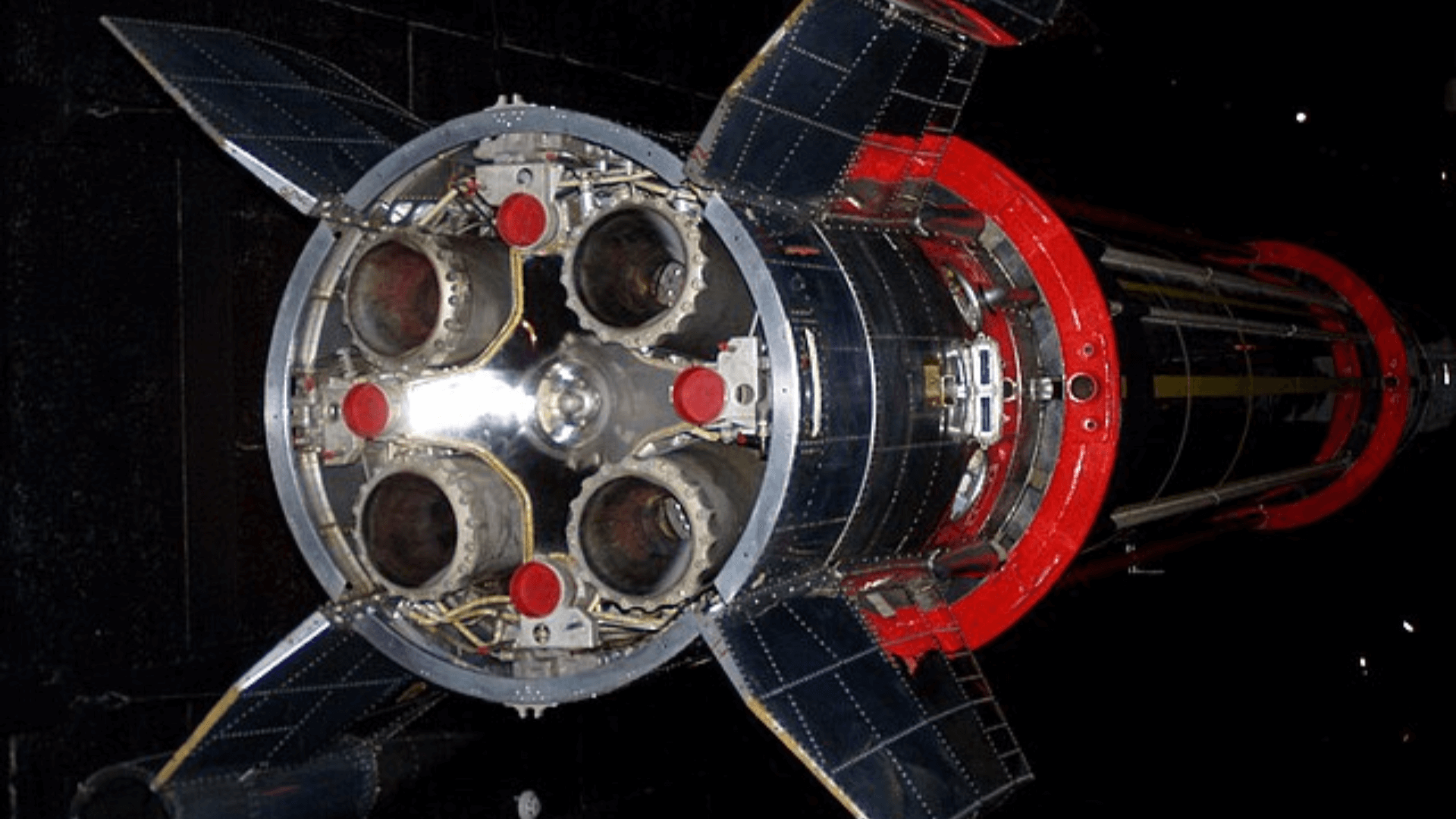
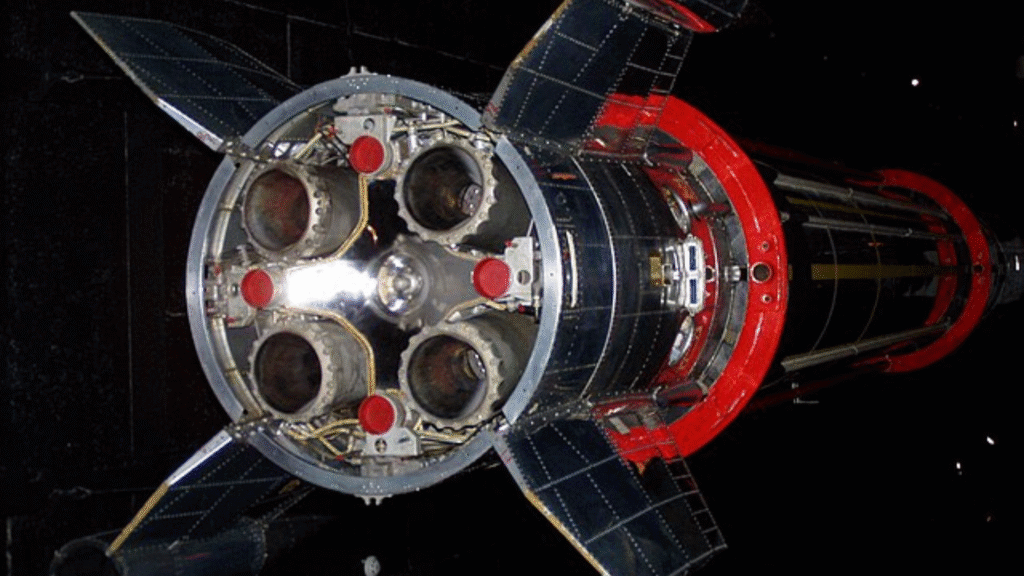
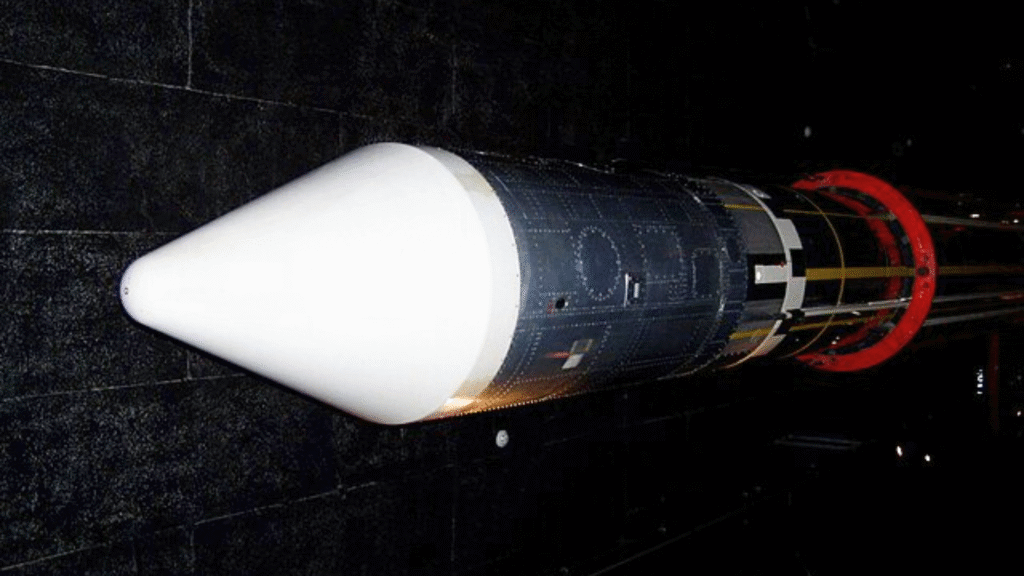
In 1960, reports surfaced of a “dark object” detected in near-polar orbit, fueling speculation because this was before many countries had the capability to place satellites in space at all. Newspapers of the time repeated claims that the object was mysterious and unidentifiable, though later investigation revealed it was likely debris from a Discoverer satellite, part of a U.S. reconnaissance program. Despite this clarification, the unusual orbit details continued to be cited by conspiracy theorists as evidence of something out of the ordinary.
The STS-88 Photograph That Sparked Interest
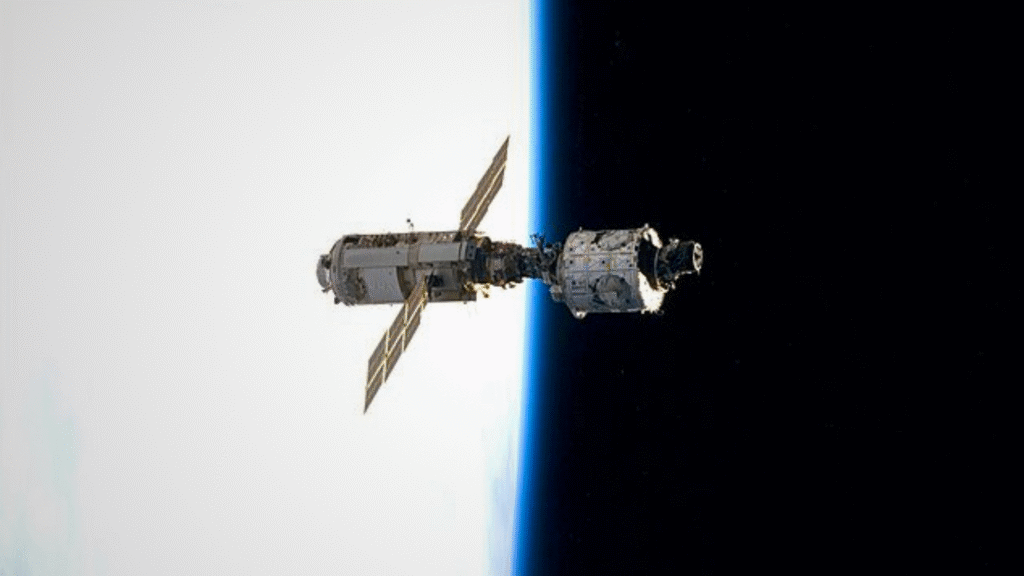
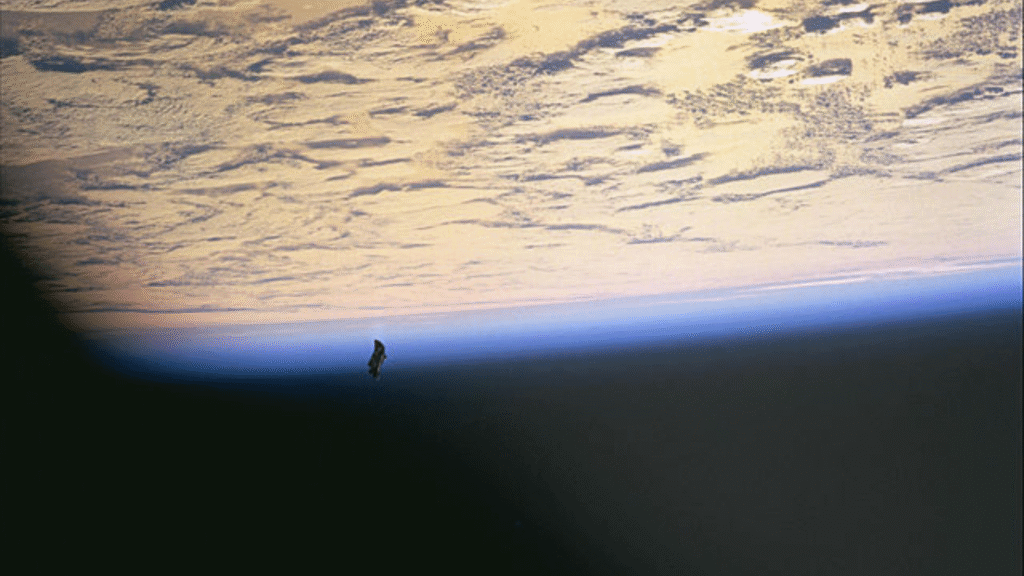
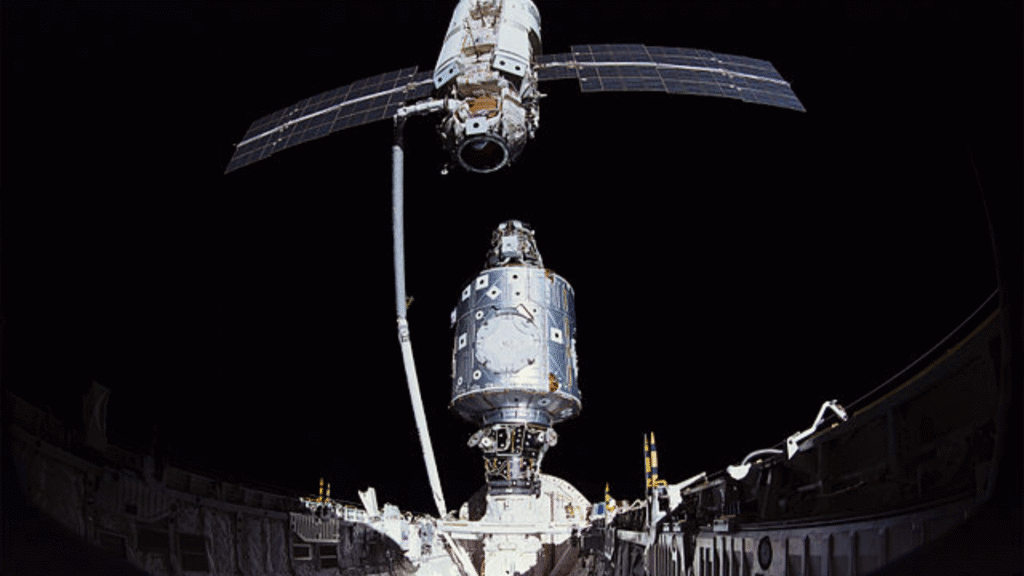
One of the most widely shared pieces of “evidence” in Black Knight lore is a photograph taken during NASA’s STS-88 Space Shuttle mission in 1998 that shows a dark, oddly shaped object floating near Earth’s orbit. Conspiracy theorists interpreted this image as proof of an ancient or alien satellite, but NASA and space historians identified the object as a thermal blanket lost during a spacewalk to assemble the International Space Station. That object was cataloged as space debris and later burned up in the atmosphere, yet the image became a central touchpoint in the Black Knight narrative.
Why Some Believe It’s Alien

Believers in the extraterrestrial origin theory point to a mix of claims, including alleged ancient radio signals, polar orbit behavior, and historical radar anomalies, as suggestive of something non-human and enduring in Earth’s orbit. These interpretations often mix folklore with scientific terms, and proponents may attribute unexplained aspects to intentional concealment or forgotten knowledge. While these ideas are compelling to some, they lack independent verification from the scientific community and have not been observed by professional space tracking systems.
Scientific Explanations and Space Junk
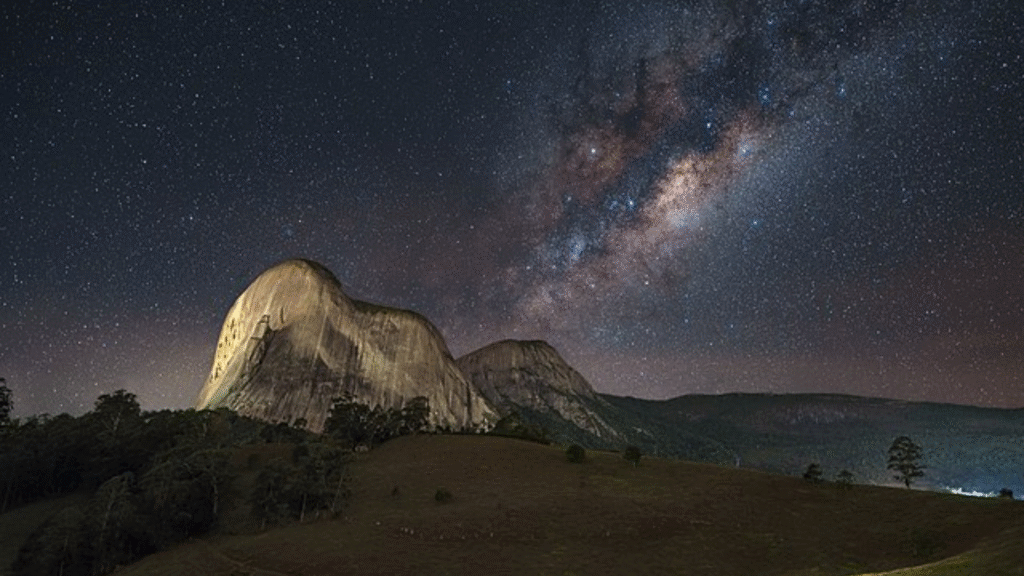
Scientists and space agencies have repeatedly explained that the sightings linked to the Black Knight Satellite can be attributed to misidentified space debris, lost mission equipment, and other mundane orbiting objects, all of which are regularly tracked by radar and telescopes. Debris from early space missions, thermal blankets lost during construction of the International Space Station, and forgotten satellites all contribute to a complex orbital environment that can appear mysterious to casual observers. Experts emphasize that none of the evidence points to a sustained, unexplained artificial object with an unknown origin.
Unrelated Phenomena Often Mislinked
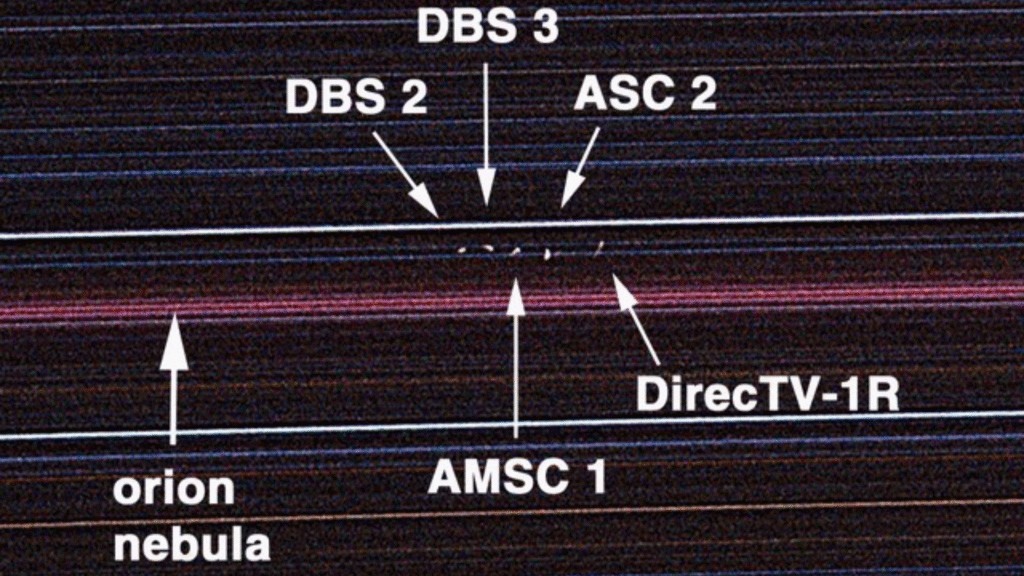
Parts of the Black Knight story, such as long-delayed radio echoes and early radar anomalies, likely stem from unrelated natural and technical phenomena rather than a singular object in orbit, with explanations including atmospheric reflections, space weather effects, and human misinterpretation of early electronic signals. Over time, these seemingly disparate observations were woven into a single myth about a mysterious satellite, even though they lack clear connection and repeatable scientific evidence. The myth persists largely because dramatic explanations are more compelling than dry technical details.
The Legend’s Enduring Appeal

Despite scientific clarifications, the Black Knight Satellite continues to thrive in blogs, social media, and speculative videos where mystery and the possibility of extraterrestrial contact draw attention and discussion. Its blend of history, myth, and unexplained sightings makes it fertile ground for storytelling, and it often appears in popular culture as an emblem of space’s greatest unknowns. Whether viewed as speculative folklore or an unsolved enigma, the story remains lodged in the public imagination.
What Space Agencies Actually Track
Modern space agencies and tracking networks catalog tens of thousands of man-made objects in Earth orbit, from operational satellites to defunct rocket bodies and fragments of debris, ensuring collisions and risks are managed for active missions. Objects with long-term stable orbits are well known to international radar and optical observatories, and no credible evidence has emerged of an unidentified artificial satellite of unknown origin in near-Earth orbit. This extensive cataloging reinforces the understanding that what is often called the Black Knight is either known debris or products of historical misinterpretation.
Black Knight Satellite Fascination

In conclusion, the Black Knight Satellite remains a fascinating topic at the intersection of space history, conspiracy lore, and public curiosity, combining old anecdotes, misidentified objects, and dramatic interpretations of early radio observations. Scientific investigations have repeatedly shown that the examples most commonly cited, including the 1998 STS-88 photo, are explainable as human-made debris such as a thermal blanket and not evidence of an ancient alien satellite. While the legend endures in online discussions and speculative media, the lack of verifiable evidence and the extensive tracking of Earth’s orbit by space agencies mean that the Black Knight is best understood as a cultural myth rather than a confirmed celestial visitor.