

Products are selected by our editors, we may earn commission from links on this page.
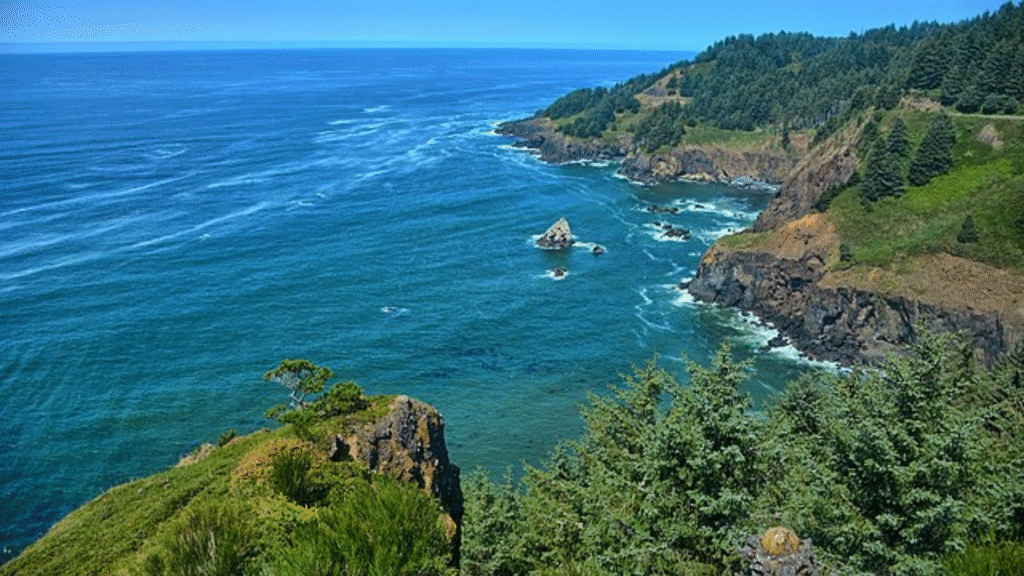
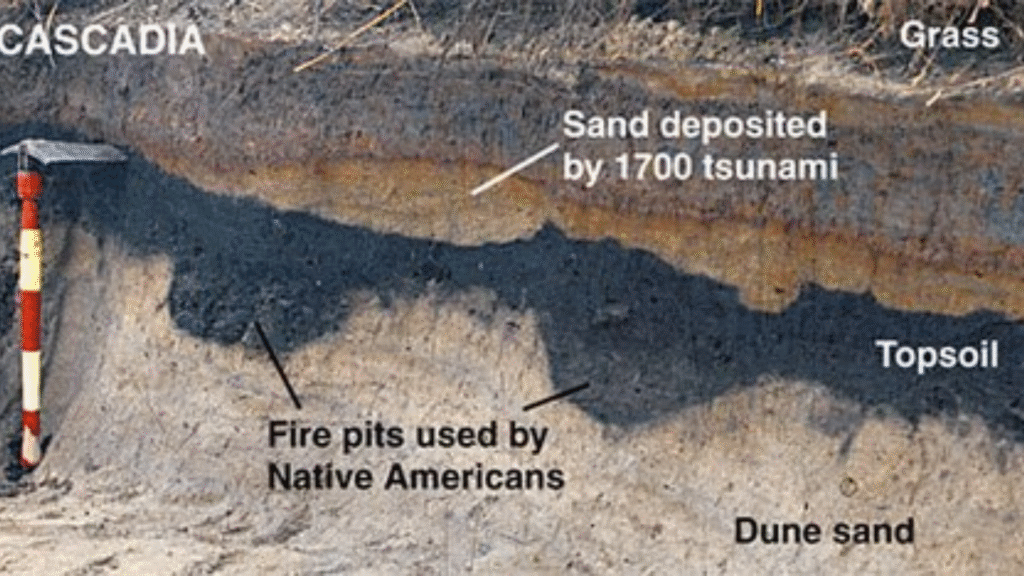
Scientists and geologists are increasingly focused on pressure building along the Cascadia Subduction Zone, a massive fault stretching from northern California through Oregon and Washington up toward Vancouver Island, where the Juan de Fuca tectonic plate is slowly being forced under the North American plate and accumulating stress that could one day unleash a very large earthquake. Geological records show that the last great earthquake in this region occurred in 1700, and stress has continued to accumulate along the fault since then as the plates remain locked and strain builds in the Earth’s crust. Researchers stress that while the exact timing of the next major quake cannot be predicted, the long period without a major rupture and the ongoing geological forces make this a region of heightened concern for future seismic events.
What the Cascadia Subduction Zone Is
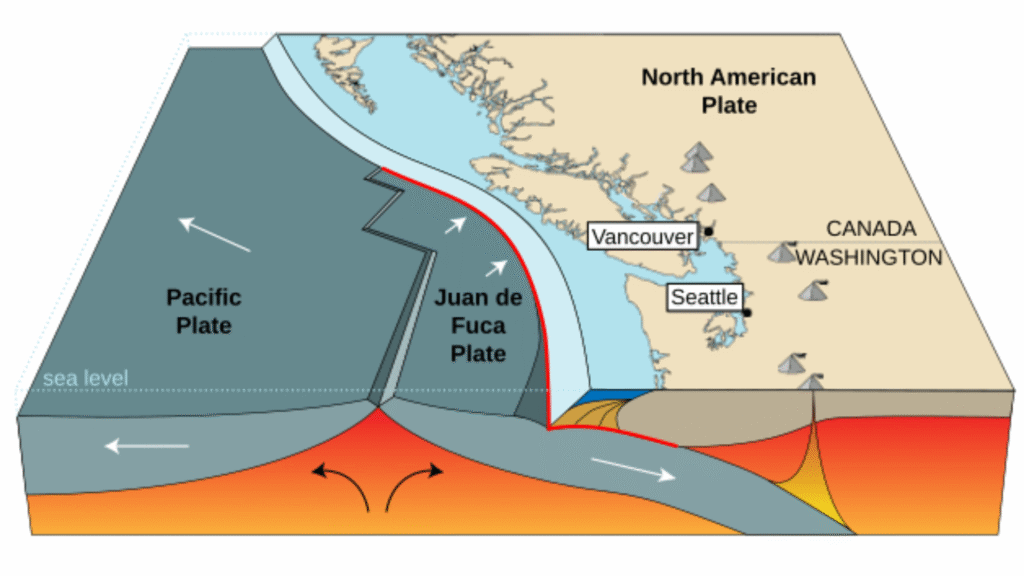
The Cascadia Subduction Zone is a megathrust fault zone where the oceanic Juan de Fuca plate gradually slides beneath the larger North American plate along a boundary that runs roughly 1,000 kilometers offshore of the Pacific Northwest coast. This type of fault is capable of producing some of the largest earthquakes on Earth, sometimes exceeding magnitude 9.0, because stress accumulates over long periods while the plates remain locked by friction and then suddenly release when they slip. The area currently experiences lower visible seismicity compared with other subduction zones, but that quiet does not mean the fault is inactive, it simply reflects a locked interface storing stress that could be released suddenly in a major event.
Why Pressure Is Building
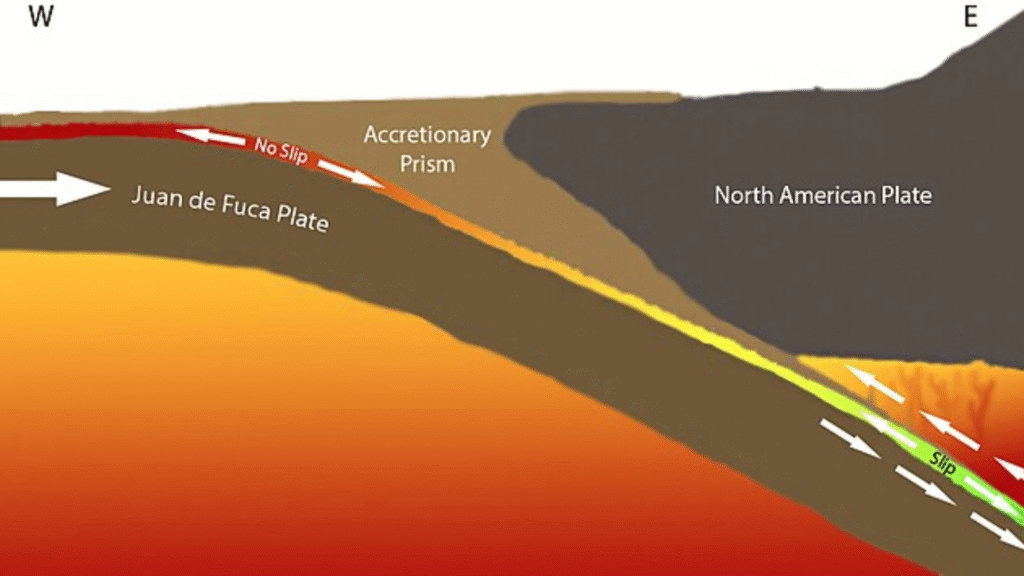
Pressure builds in subduction zones like Cascadia because the plates do not move smoothly past each other; instead, the oceanic plate is held in place by friction while the continental plate advances slowly, allowing strain to accumulate in the rocks near the fault over centuries. Geological evidence from layers of sediment and paleotsunami deposits shows that the last massive rupture took place more than 300 years ago, and that similar events have occurred repeatedly on timescales of centuries. This long interval without a major release contributes to the notion that significant pressure continues to mount along the locked fault.
Potential Earthquake and Tsunami Risks
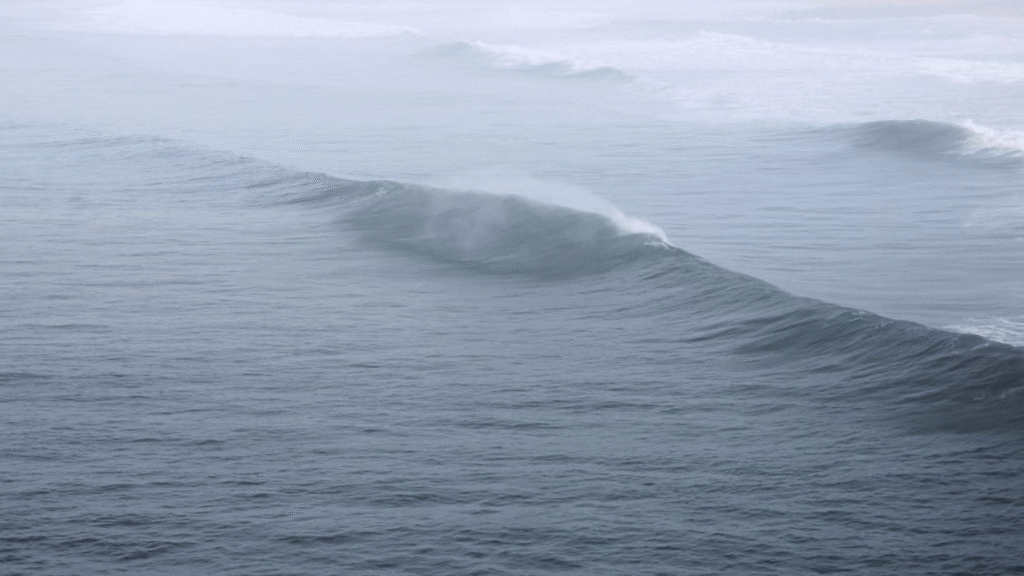
If the Cascadia fault were to rupture in a major earthquake, scientists say it could generate a megathrust event with magnitude 8.0 or above, producing not only intense shaking but also potential tsunamis along the Pacific Northwest coast that could strike within minutes of the initial quake. Research suggests there is a 15 to 37 percent chance of a significant earthquake occurring within the next 50 years, and that coastal regions could see dramatic land subsidence and expanded flood risk as a result. Major population centers like Seattle, Portland, and smaller coastal communities could face life-altering impacts from both shaking and water inundation during such an event.
Land Subsidence and Flood Hazards
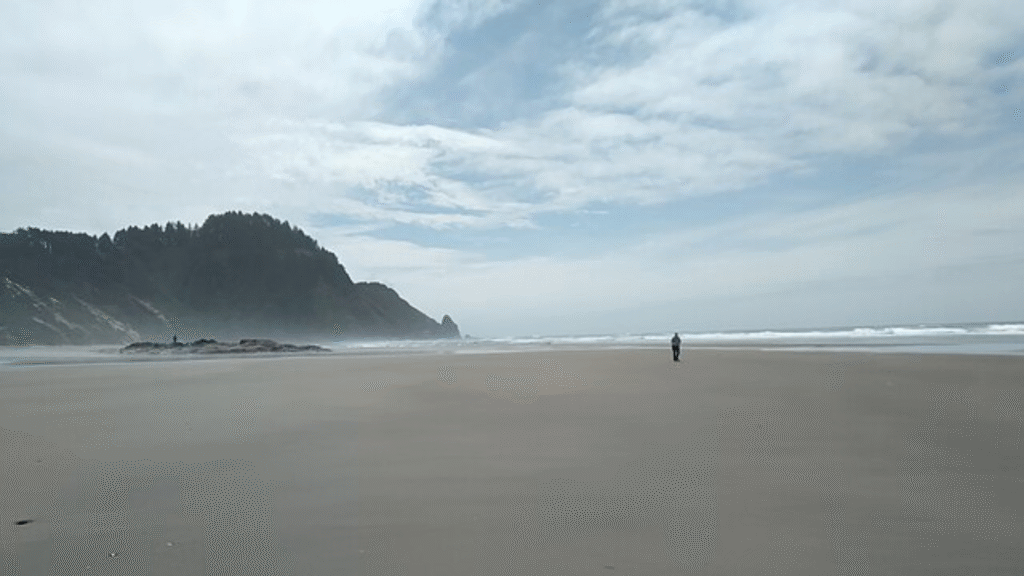
Studies show that a large Cascadia earthquake could cause sudden land subsidence of up to several feet along the coast, dramatically increasing flood exposure when combined with rising sea levels. This subsidence would effectively cause the shoreline to sink, allowing seawater to move farther inland and potentially turning previously dry land into flood zones almost instantly. The combined effects of earthquake-driven subsidence and ongoing climate-driven sea-level rise amplify the hazards faced by coastal communities in Oregon, Washington and northern California.
Scientists Study Hidden Seismic Dynamics
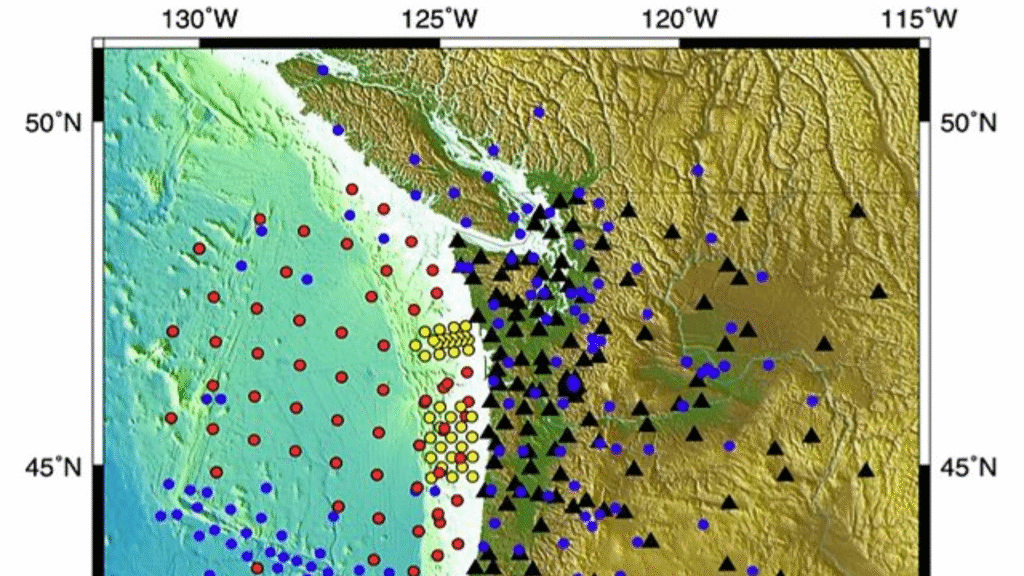
Researchers are investigating complex fault behaviors beneath the Cascadia Subduction Zone, including slow slip and fluid migration along fault structures that help regulate stress and pressure between the colliding plates. Offshore studies have identified warm fluid seeps that may reflect changing conditions deep within the fault zone and impact how stress is distributed, a factor that could influence seismic behavior and the potential for future large earthquakes. Understanding these hidden dynamics helps scientists refine hazard models and assess risks more accurately.
Preparing for the “Big One”

Given the long-term buildup of stress on the Cascadia fault, emergency managers and local authorities in the Pacific Northwest emphasize the importance of readiness measures, including community education, strengthening infrastructure, and individual preparedness kits. Residents are often advised to plan for being self-sufficient for at least two weeks after a major quake, as utilities and services could be disrupted, and to understand evacuation routes in case of tsunami warnings. Coordination between scientists, governments and the public is key to improving resilience before a major seismic event occurs.
What Experts Are Watching
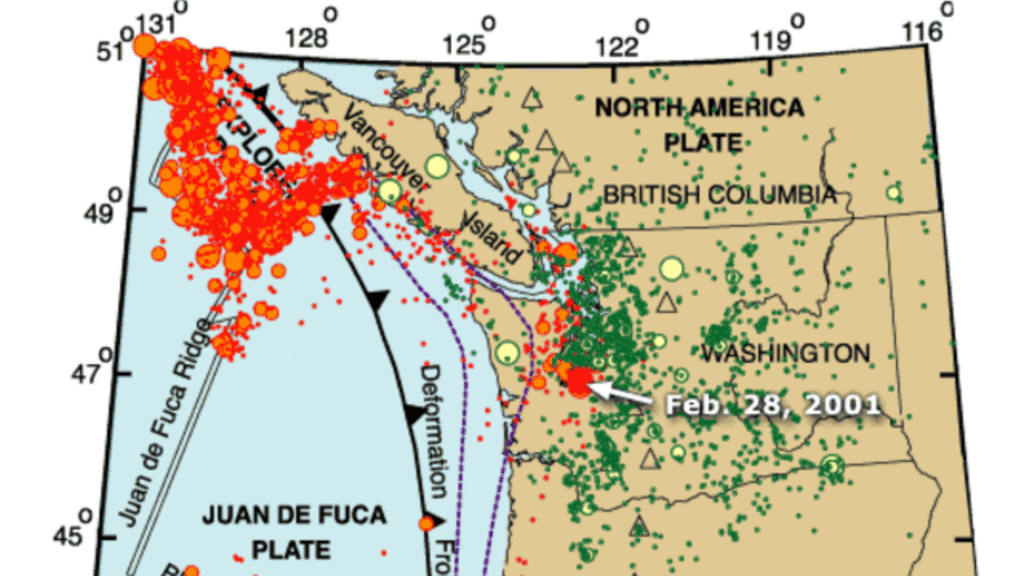
Scientists continue to monitor tremor activity, slow slip events, and GPS measurements along the Cascadia Subduction Zone to gain better insight into how strain accumulates and changes with time beneath the surface. Although no reliable method exists to predict the exact timing of a major rupture, these ongoing observations help researchers understand fault behavior and refine probabilistic models that inform hazard assessments and preparedness planning for the Pacific Northwest.
Debates Over “Overdue” Terminology
While scientists often describe the Cascadia fault as “overdue” for a major quake given historical recurrence intervals, seismologists caution that earthquakes cannot be predicted precisely in time and that the phrase refers to long-term probabilities rather than a specific forecast. The return periods observed from geologic records offer rough averages, but intervals between events can vary significantly, meaning a major quake might happen sooner or later than expected. Continued research and monitoring help clarify these complex patterns and improve understanding of seismic risk.
Cascadia Subduction Zone Today
In conclusion, the Cascadia Subduction Zone shows signs of long-term pressure buildup as tectonic plates continue to interact along a locked megathrust fault that has not ruptured in over three centuries, leaving scientists concerned about the potential for a major future earthquake and associated hazards like land subsidence, tsunamis, and coastal flooding. While the exact timing remains unknown, continued scientific study, public preparedness and structural resilience efforts are essential to reduce risk and protect communities in the Pacific Northwest.