

Products are selected by our editors, we may earn commission from links on this page.
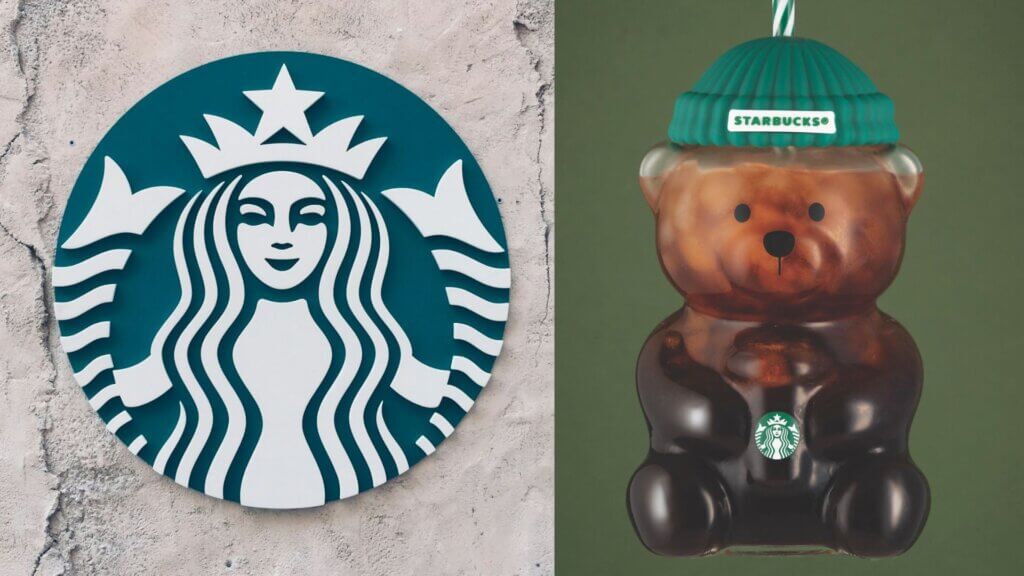
A teddy-bear-shaped cup launched by Starbucks promised holiday cheer. But instead marked a turning point in how brand hype meets customer reality. Fans lined up before dawn, sales went viral, and soon social media turned excitement into frustration. What began as a festive collect-able quickly morphed into a reflection of corporate promise, scarcity and consumer disillusionment.
The ‘Bearista’ Cup Launch
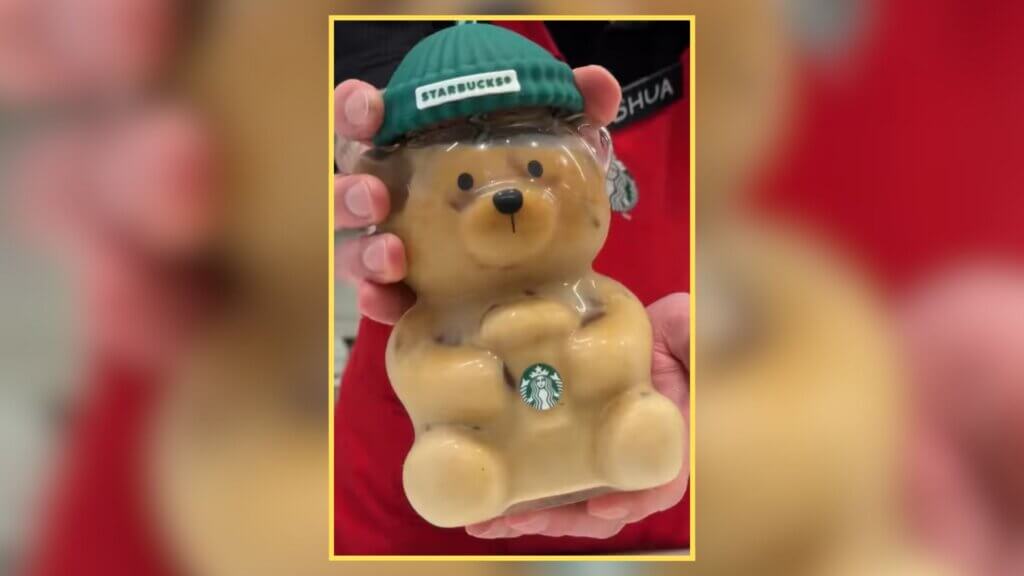
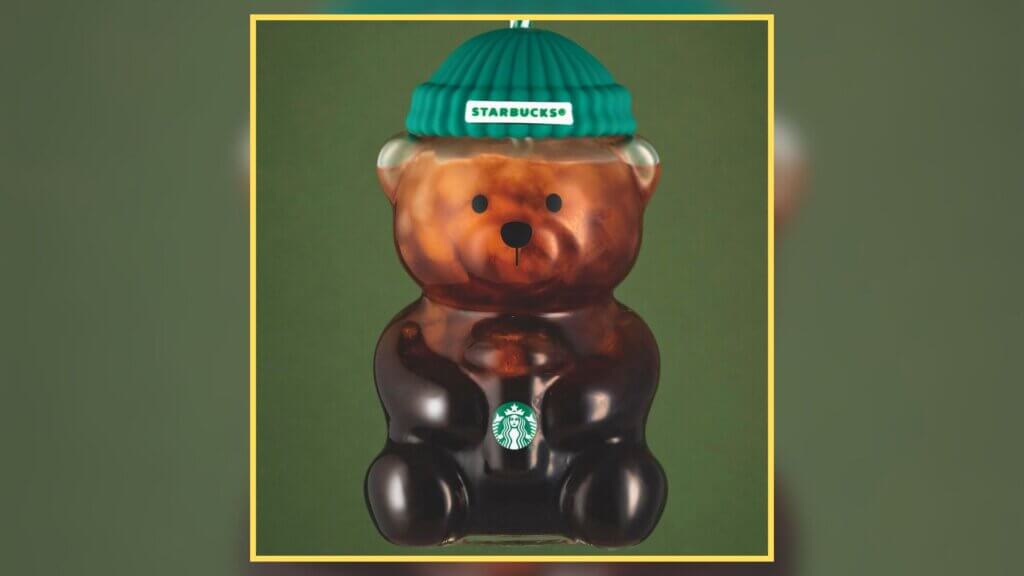
On November 6, Starbucks released its 20-ounce “Bearista Cold Cup,” shaped like a honey bear wearing the chain’s signature green beanie and matching straw. Priced at $29.95, the glass cup was part of the 2025 holiday merchandise and quickly caught the internet’s attention. A promotional post on Instagram captured more than 16, 000 comments within hours and over 800,000 likes as of this writing.
Sold Out in Minutes
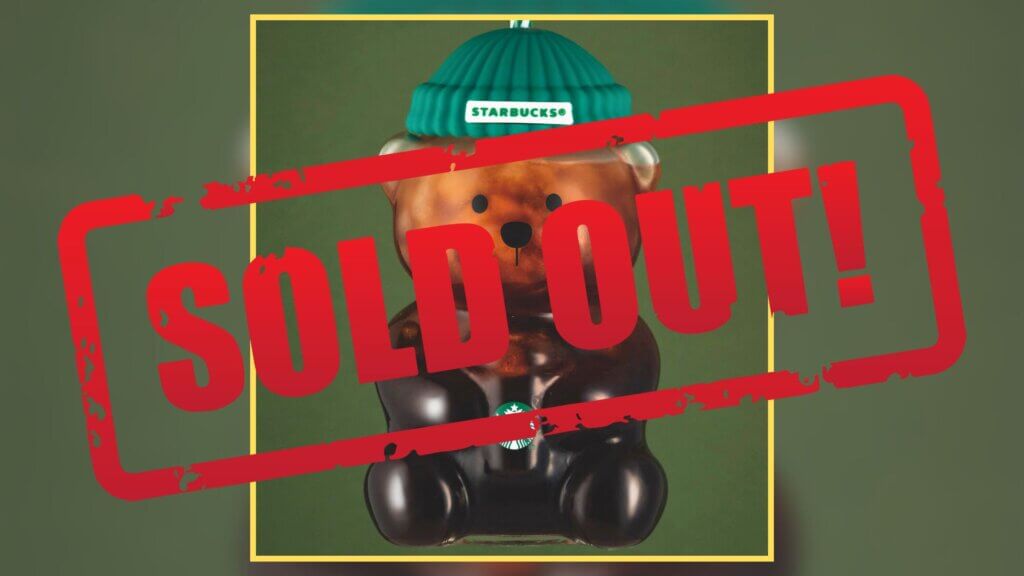
Despite Starbucks shipping more Bearista cups than nearly any other holiday item, many fans found shelves empty at opening time. Some stores reportedly received only one or two units; online videos show buyers arriving well before store opening and still coming away empty-handed. The chain later acknowledged that demand “exceeded even our biggest expectations.”
Resale and Hype Economy
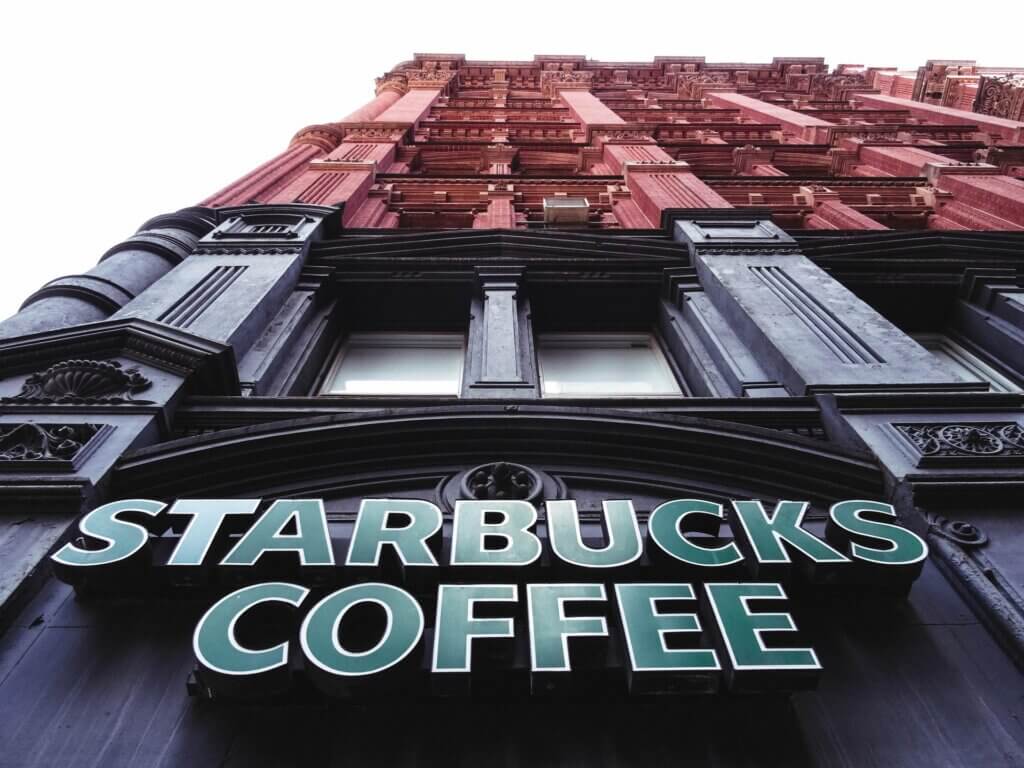
What started as a $30 cold cup quickly morphed into a speculative asset. Listings on eBay and other resale platforms reached from hundreds to thousands of dollars, one listing topped $50,000. The frenzy turned a simple glassware drop into a commentary on modern collectible culture and brand-driven scarcity.
Employee Hoarding Allegations
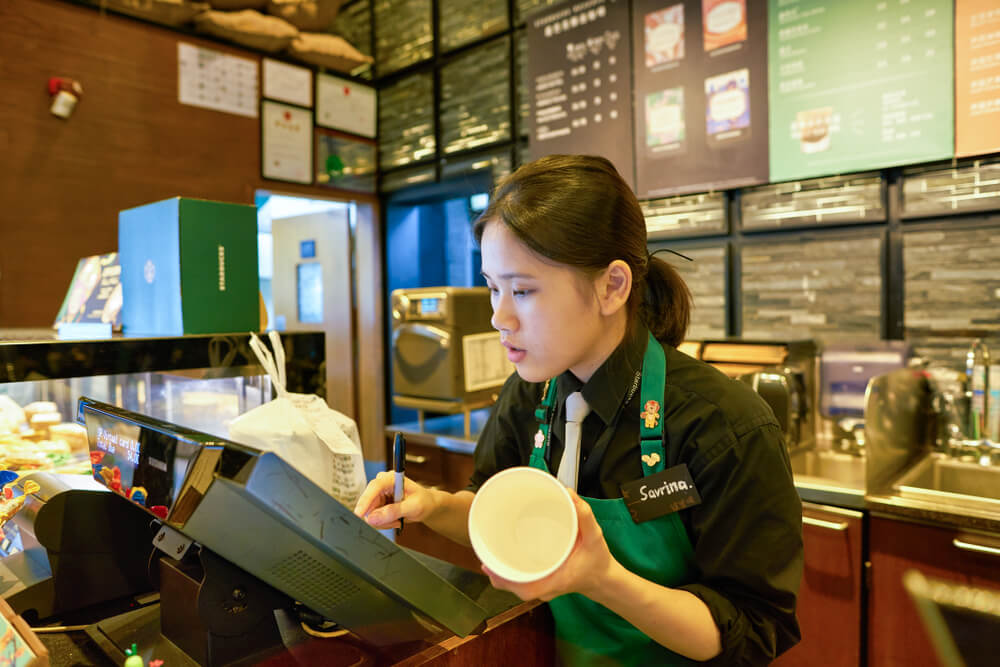
Amid the frenzy, users on TikTok and Reddit claimed Starbucks employees or local store staff were buying up entire in-store stock before customers could access it. One Indianapolis location alleged employees purchased cups two minutes after opening, leaving waiting fans out in the cold. Starbucks has declined to comment on the specific allegations.
Public Backlash and Corporate Apology
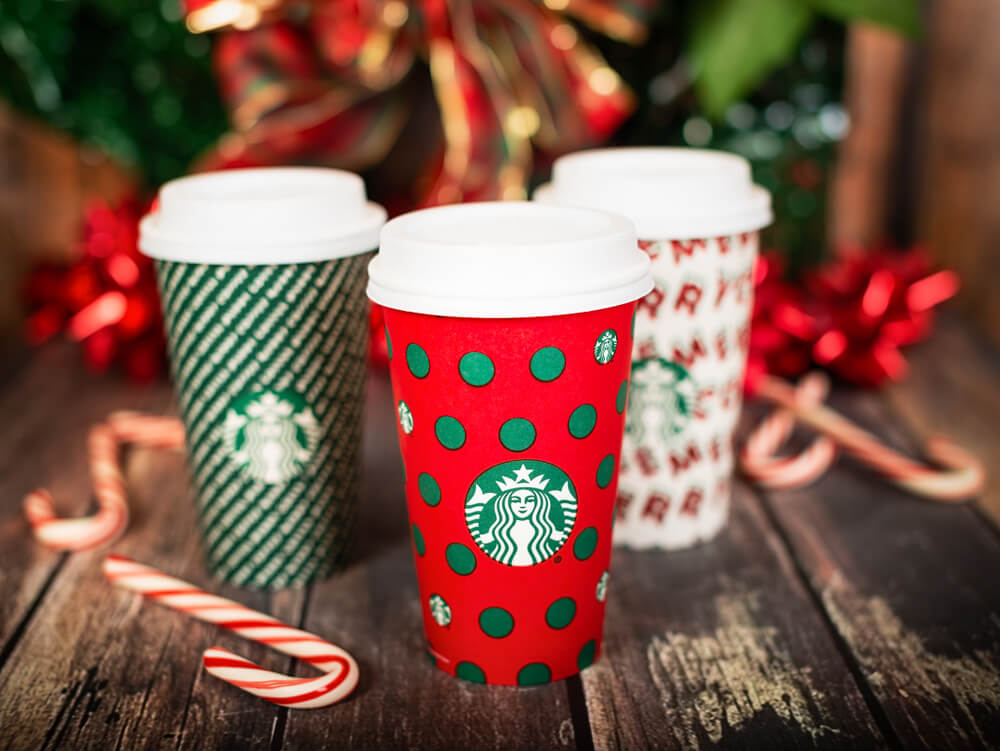
What seemed playful at first quickly turned into a customer relations challenge. Starbucks formally apologized, acknowledging the disappointment and promising more merchandise but offering no restock date for the Bearista. The mess illustrates how hot drops can backfire. When scarcity looks like neglect, brand trust suffers.
Social Media’s Role in the Scramble
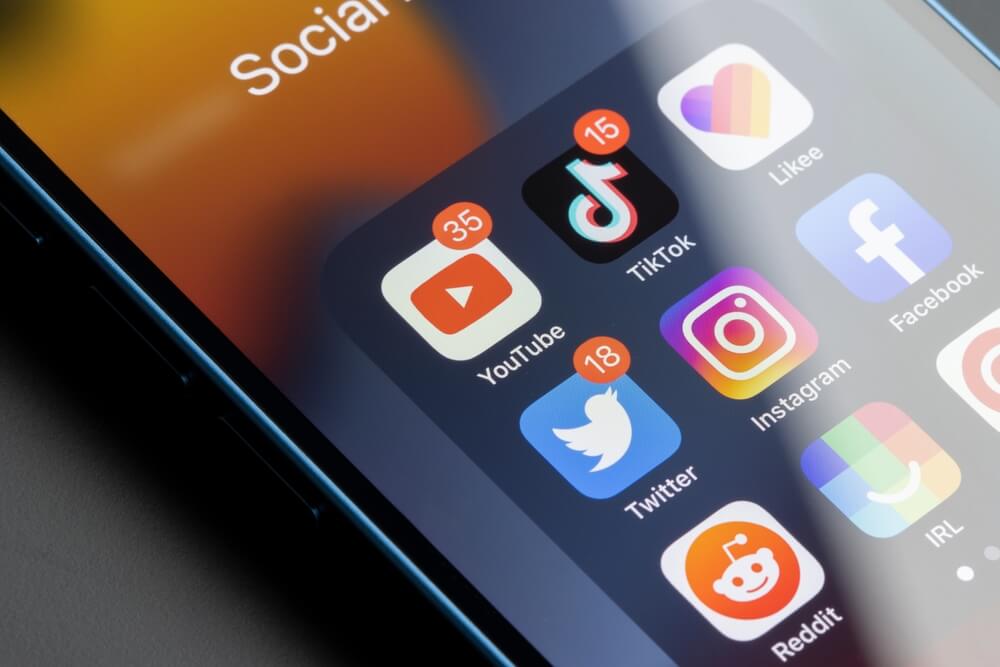
The Bearista phenomenon spread beyond Starbucks’ digital channels; TikTok, Instagram, and Reddit amplified both fandom and frustration. Some videos show chaotic store scenes; others show viral dupe releases by Walmart and parody cups. One grocery chain even spoofed the cup with its own mascot version. The ecosystem around the drop has become part of its story.
Marketing Meets Scarcity Strategy
Collectible merchandise has become a major promotional tool for Starbucks, and the Bearista reflects a broader shift. Limited drops stimulate urgency but also risk alienating core customers when access feels uneven. Analysts say the incident signals how merchandise strategy has grown as big as beverage strategy, and how brands must balance excitement with equity.
What Customers Are Saying
Fans express disappointment across comment threads where early birds, loyal customers, and aftermarket buyers collide. One user wrote: “People camped out all night to not even get one.” Others say they feel treated like bystanders to a marketing stunt, sparking talk of “being used for hype” rather than being rewarded for loyalty.
What’s Next for the Cup
Starbucks says more merchandise is coming this holiday season but hasn’t promised a Bearista restock. Meanwhile, third-party retailers are offering cheaper alternatives or dupes, and consumers who missed out wonder if the brand will ever fully make it right. The Bearista may be cute, but its legacy may be less about holiday cheer and more about how brands manage scarcity, hype and customer trust.