


Products are selected by our editors, we may earn commission from links on this page.
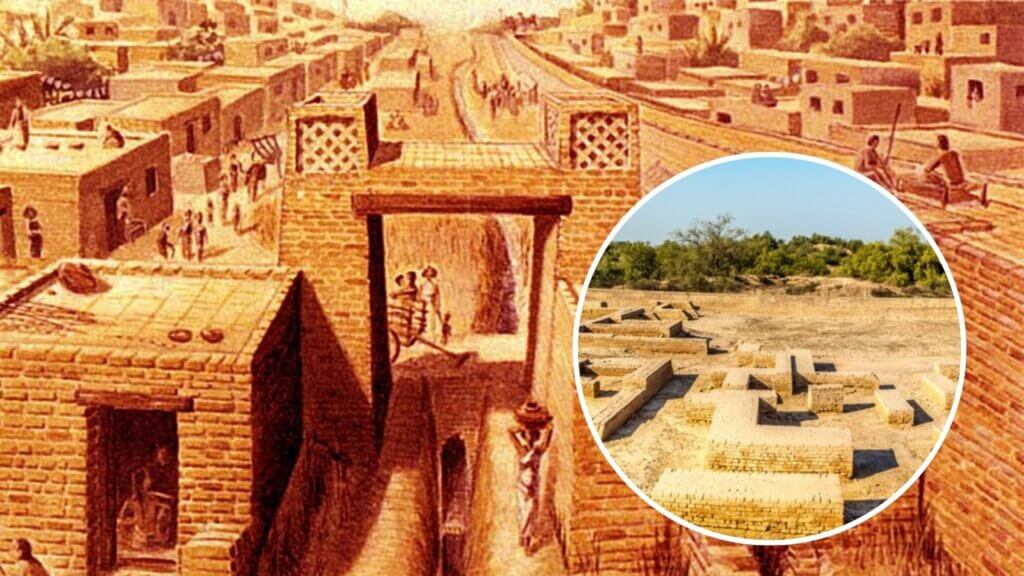
For more than a century, archaeologists have puzzled over how one of the world’s earliest urban societies—the Indus Valley Civilization—seemed to fade from history. Its cities were sophisticated, its engineering remarkable, and its trade networks far-reaching. Now, new research from the Harappa region offers fresh clues that may finally explain why this advanced civilization collapsed around 1800 BCE.
A Civilization Built Along Powerful Rivers
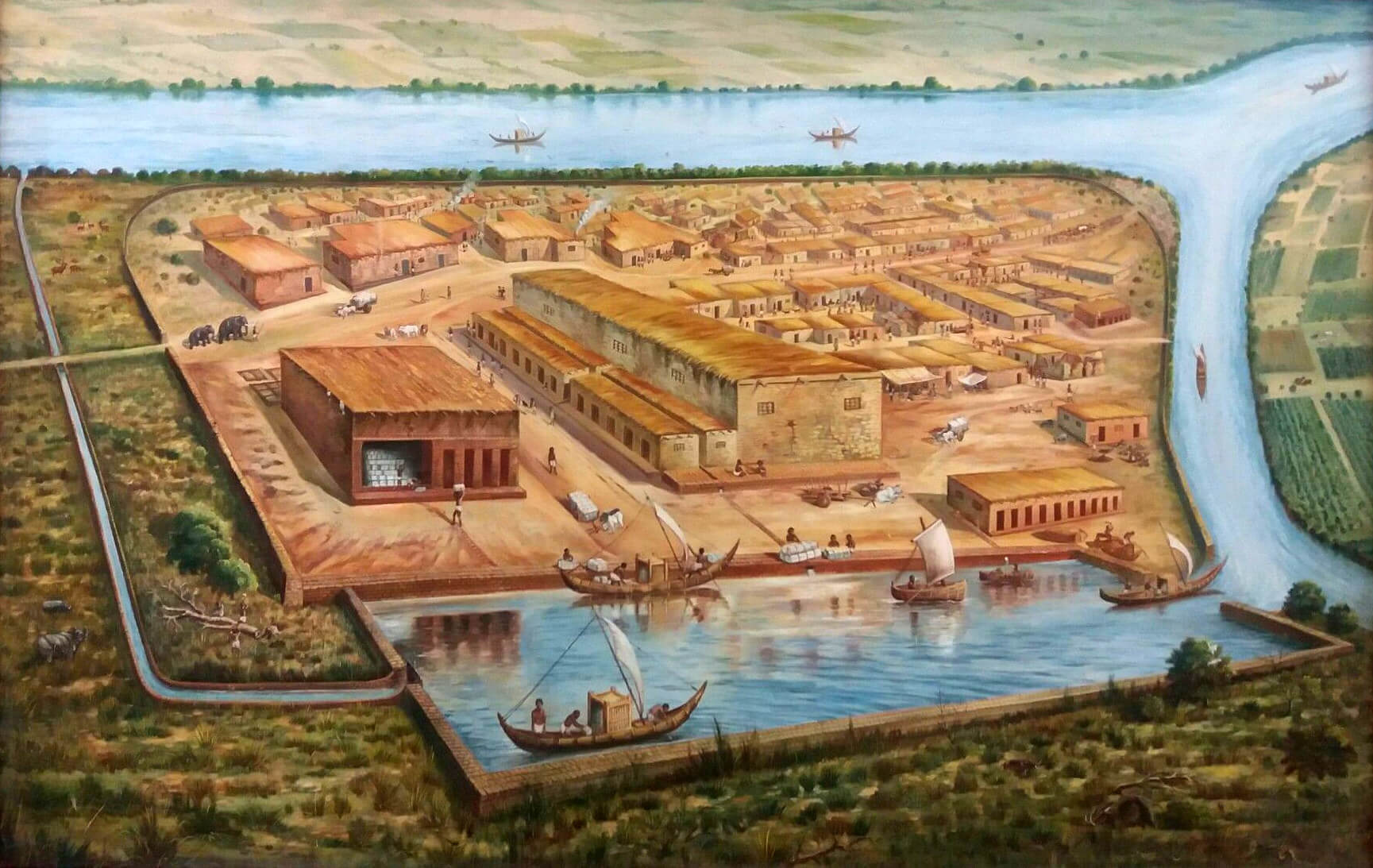
The Indus Valley Civilization thrived between 2800 and 1800 BCE along waterways fed by Himalayan snowmelt and monsoon rains. Fertile floodplains supported wheat, barley, cotton, and livestock, creating a stable agricultural foundation. These rivers were more than natural resources—they shaped the civilization’s settlement patterns and economic strength.
Cities That Surprised Early Archaeologists
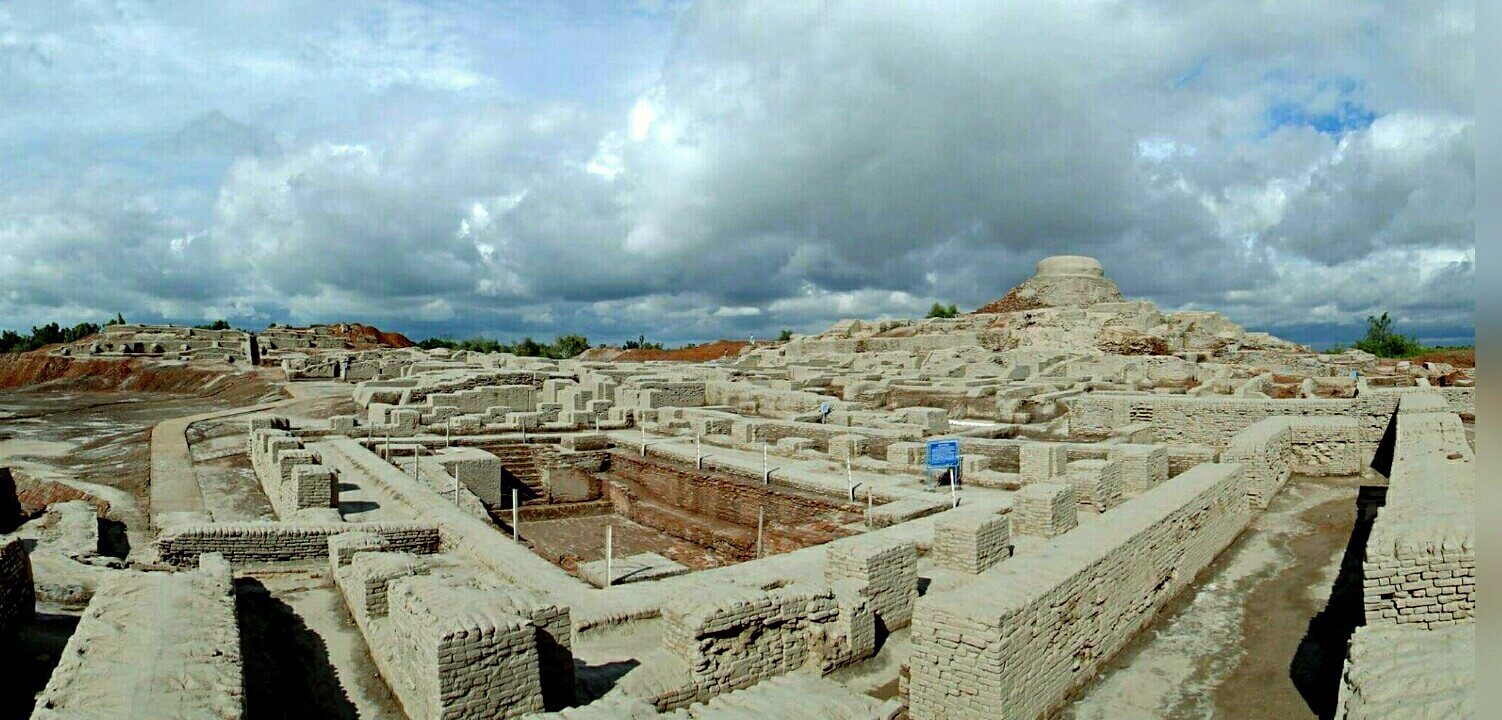
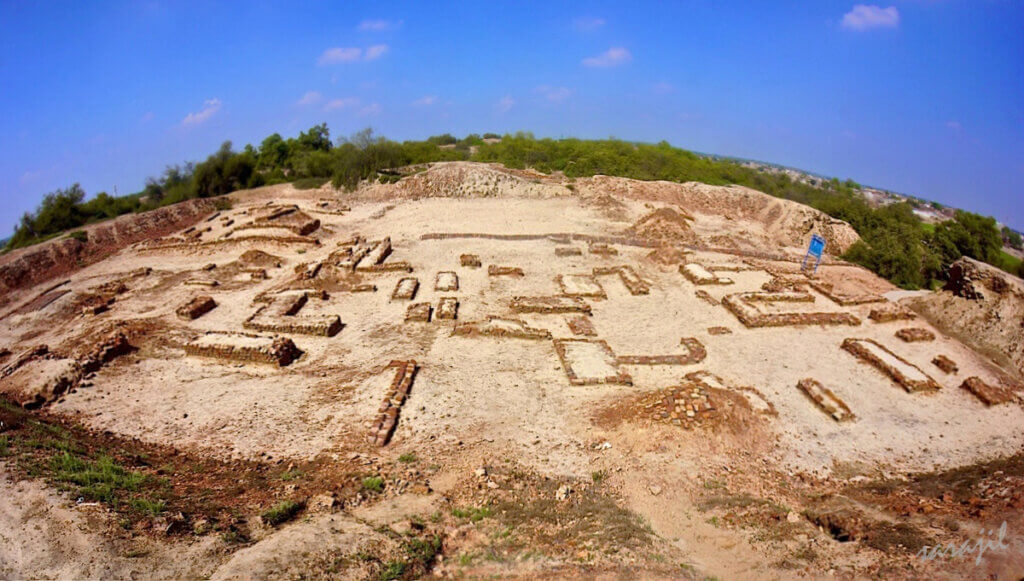
Ruins at Harappa, Mohenjo-Daro, Dholavira, and other sites show a level of urban organization that rivaled ancient Egypt and Mesopotamia. Streets followed a grid pattern, citadels rose above lower towns, and multistory homes featured private wells and bathrooms. Drainage systems ran beneath the cities, indicating a strong emphasis on cleanliness and engineering.
A Culture Connected Through Trade
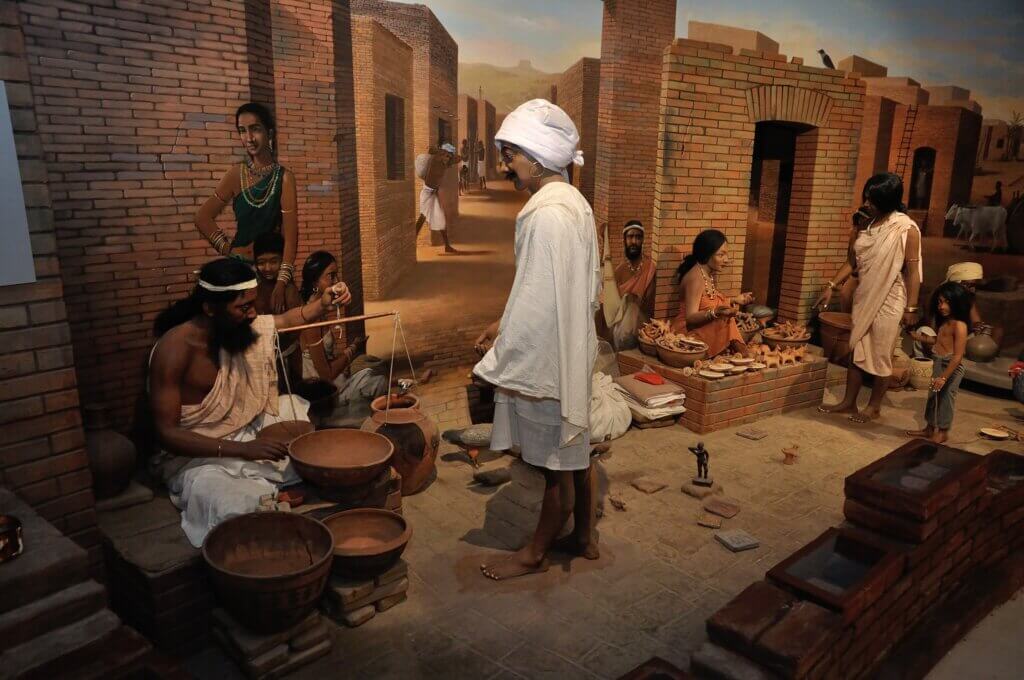
Merchants moved goods across land and sea, exchanging stones, beads, shells, and crafted ornaments. Cubical stone weights ensured standardized trade measurements and fair taxation. Seals with animal motifs and brief inscriptions identified ownership, even though the writing system remains undeciphered today.
Signs of Sudden Change in Urban Life
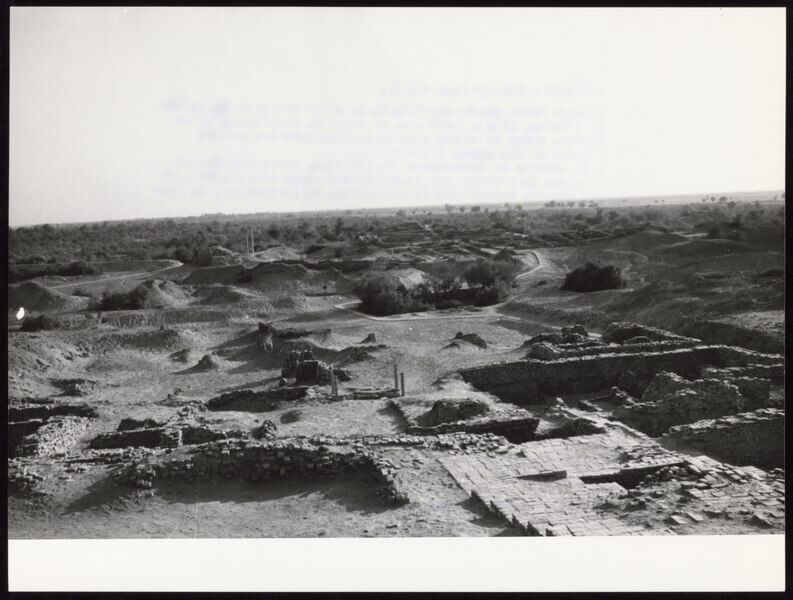
By around 1800 BCE, archaeologists noticed troubling shifts: blocked drains, deteriorating buildings, and a sharp decline in trade with Mesopotamia. Writing became less common, and standardized weights fell out of use. These clues pointed to stress within the urban centers, but for decades, the underlying cause remained unclear.
The New Study That Shifted the Discussion
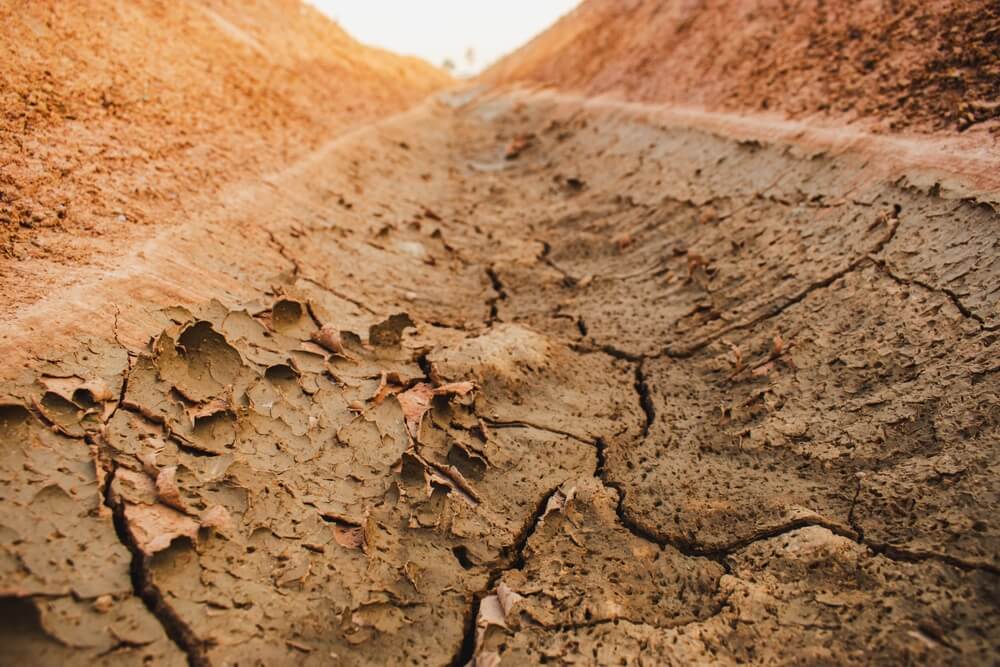
A recent paleoclimate study examined soil samples, sediment layers, and isotopic signatures around Harappa. Researchers concluded that the region experienced extended droughts as the monsoon system weakened. Rainfall reconstruction charts in the study show that wet-season precipitation declined sharply over several generations, transforming once-fertile land into a difficult environment for agriculture. This evidence strengthens the theory that environmental change drove the decline and not sudden invasion.
When Rivers Changed, Everything Changed
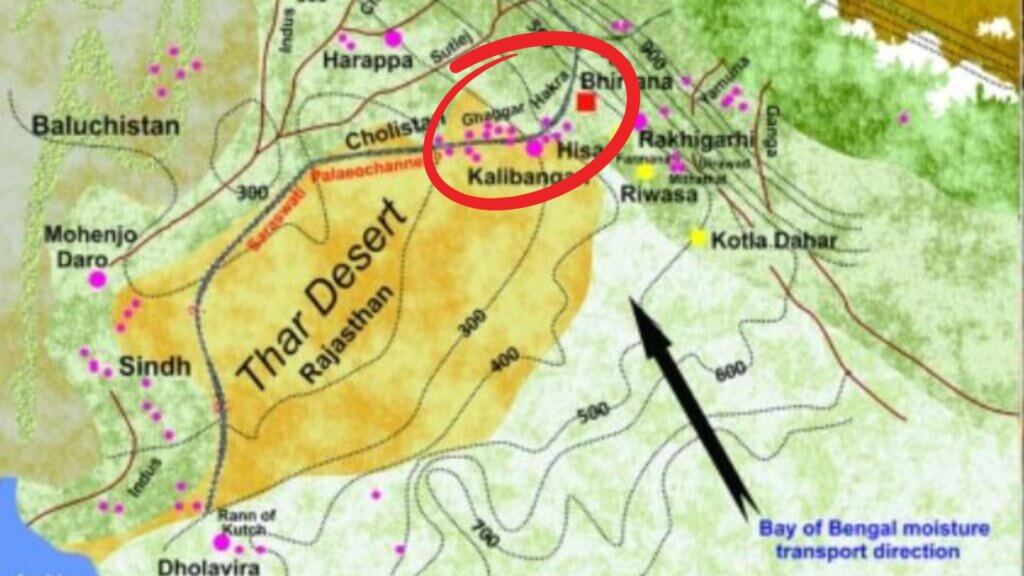
The study aligns with earlier research suggesting major rivers, including the Ghaggar-Hakra (often linked with the ancient Saraswati), began to dry or shift course around the same time. As monsoons moved eastward, settlements along these rivers lost consistent water supplies. The result was crop failures, reduced surpluses, and widespread instability.
Migration Into Smaller Communities
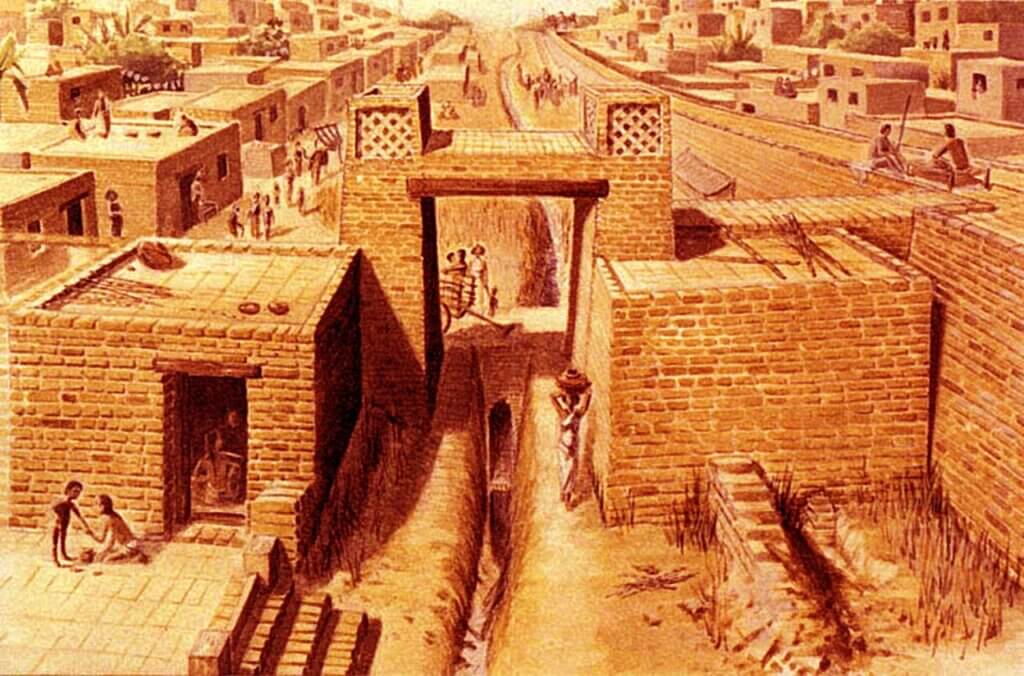
Without dependable river systems, large cities like Harappa and Mohenjo-Daro could no longer sustain their populations. People gradually migrated toward the Ganges basin, where water was more reliable. Archaeological evidence, such as the ruins at Lothal, shows that once-major cities became sparsely populated villages with simpler homes and fewer resources.
Rethinking Older Theories
Earlier explanations focused on dramatic events, including invasion by Indo-European Aryans. However, skeletal studies found no strong evidence of mass violence. Modern scholars now argue that the decline was gradual, shaped by environmental stress, disease such as malaria, and economic shifts—not a single catastrophic moment.
A Mystery Closer to Being Solved
While questions remain, the Harappa drought study brings researchers closer than ever to understanding why a highly organized, advanced civilization dissolved into smaller rural settlements. Climate change, shifting monsoon patterns, and river transformations created long-term pressures that cities could not withstand. This new evidence offers a clearer, more grounded explanation of how the Indus Valley Civilization slowly transformed and eventually disappeared.