

Products are selected by our editors, we may earn commission from links on this page.
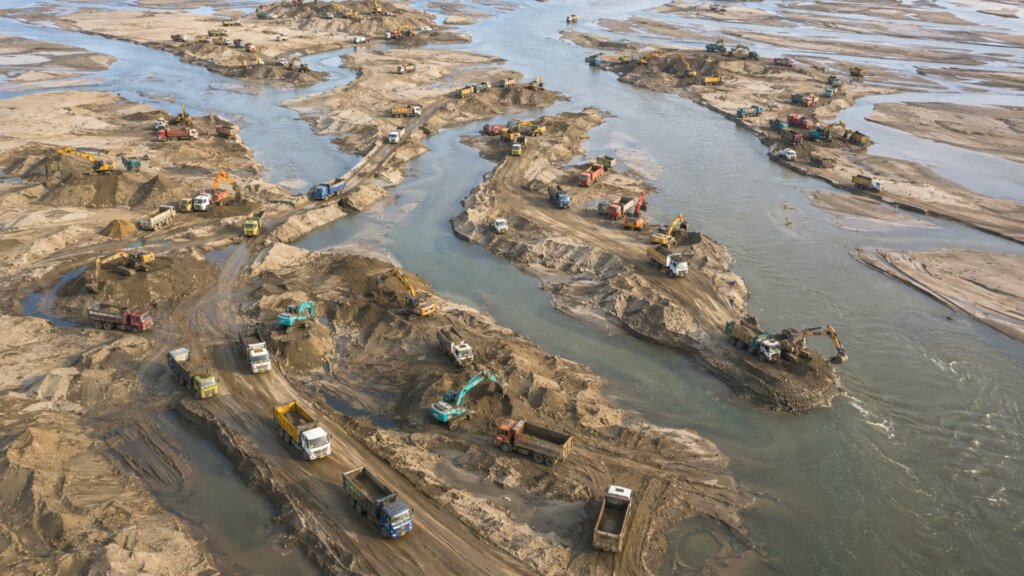
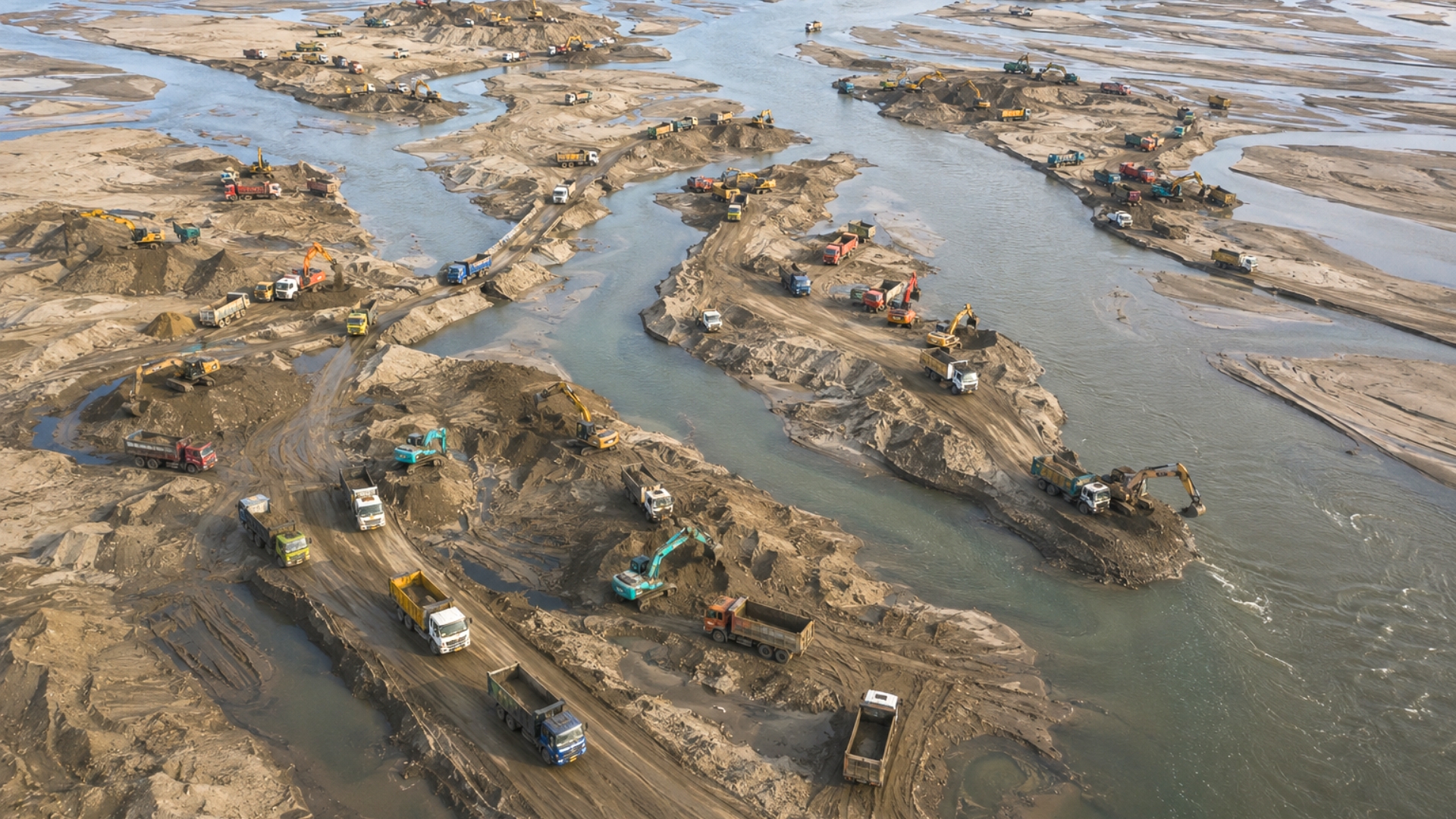
A crane-equipped barge working the Mekong River can pull 79,250 gallons of sand from the riverbed in a single three-hour shift. Multiply that by the thousands of similar operations running worldwide, and a stark picture emerges. Rivers are being stripped of sand faster than nature can put it back, according to a sweeping review of 411 scientific studies reported by ScienceAlert.
Scientists behind the review found that extraction rates in Vietnam’s stretch of the Mekong run about 11.8 times higher than the river’s natural sediment replacement rate, which sits near 6.18 megatons a year. Between 2015 and 2022 alone, crews pulled roughly 366 million cubic meters of sand from the delta. Hydrologist Dung Duc Tran, one of the study’s authors, called the resulting sediment deficit massive.
That extraction carved nearly half a meter off the riverbed’s depth over those seven years. It sounds small measured against the water’s surface, but the ripple effects run deep, reshaping how water moves, weakening the health of the river system, and destabilizing the banks that entire communities are built along.
This article was created with the assistance of AI and reviewed by our editorial team for accuracy and clarity.
1,800 Houses Have Already Collapsed Along Vietnam’s Mekong
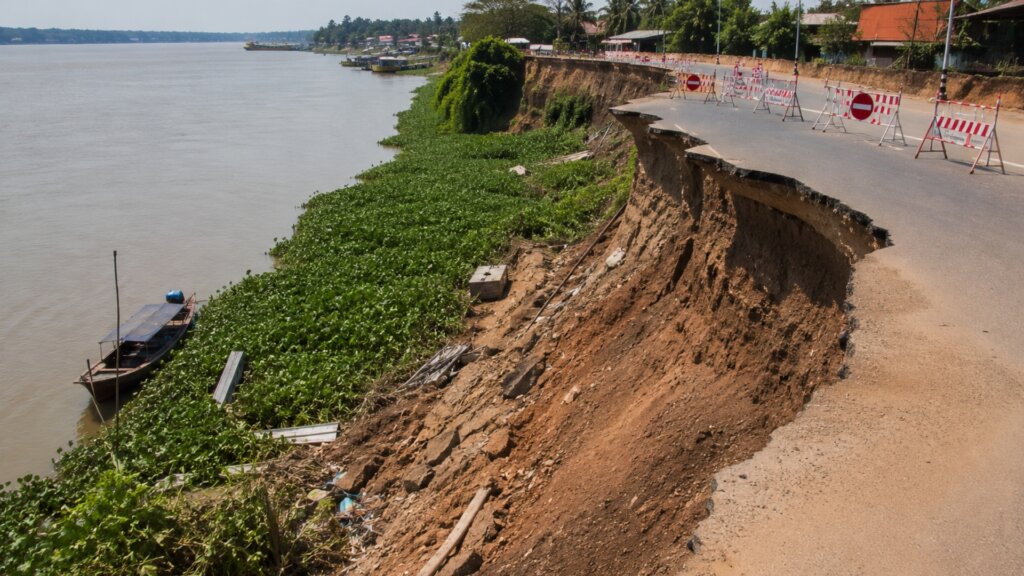
In Vietnam’s section of the Mekong, riverbank erosion tied to sand extraction caused more than 1,800 houses to collapse between 2018 and 2020. ScienceAlert reported that by 2023, the delta counted 585 major erosion hotspots stretched across 741 kilometers of river, roughly 460 miles of crumbling shoreline.
Losing that sediment also triggers what scientists call the backwater effect, pushing salty water further upstream into areas that once relied on fresh water for farming and drinking. Researchers warn that if current mining rates in the Vietnamese Mekong continue on their present course, the riverbed could run out of usable sand entirely by 2035.
The Mekong isn’t an isolated case. China’s Poyang Lake has changed so drastically the shift is visible from satellite images. Indian waterways including the Mayurakshi, Kollidam, Subarnarekha, and Ajay Rivers have undergone similar transformations, each one feeding the same global appetite for construction material.
“Sand and Gravel Are the World’s Most Heavily Extracted Solid Materials”
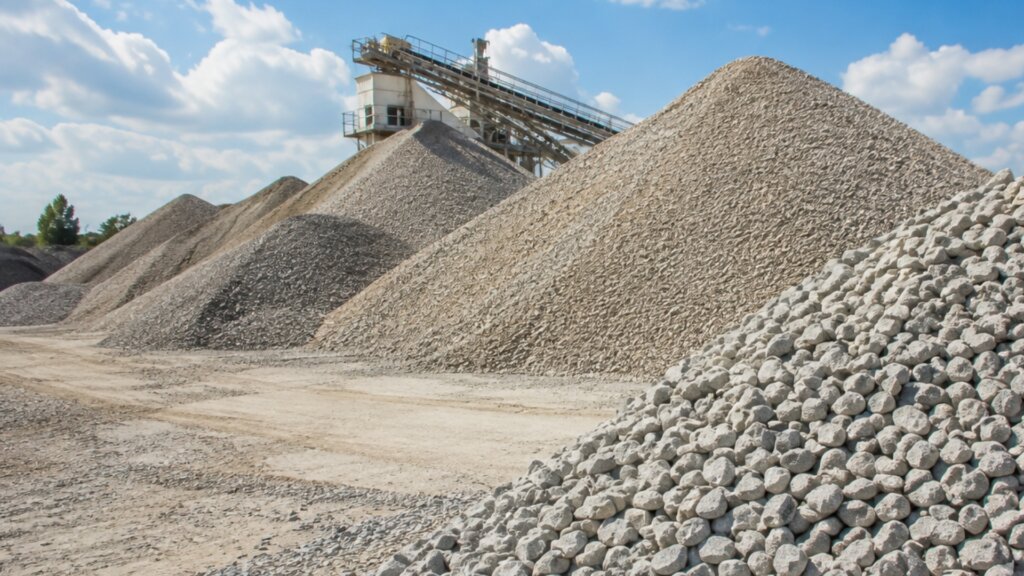
Sand mining has also reshaped Brazil’s Paraná and Tocantins Rivers, part of the Amazon Basin, and pits dredged from France’s Seine River in the early 1900s still exist today as floodplain lakes. Geographer Edward Park of Nanyang Technological University, the study’s lead author, said sand and gravel are the world’s most heavily extracted solid materials and are fundamental to urbanization and infrastructure development.
Park told ScienceAlert that sand and gravel make up more than 70 percent of concrete by volume and appear throughout roads, buildings, and foundations. River sand is especially prized because its grains grip together well and it typically carries little to no salt, making it far more useful for large-scale construction than desert or marine sand.
That interlocking texture also makes river sand valuable for land reclamation projects. Construction firms, property developers, and infrastructure contractors depend on steady access to it, Park said. Those economic benefits come paired with environmental and social costs that fall hardest on the communities living closest to the rivers being mined.
Illegal Operators Are Capturing the Profits While Rivers Pay the Price
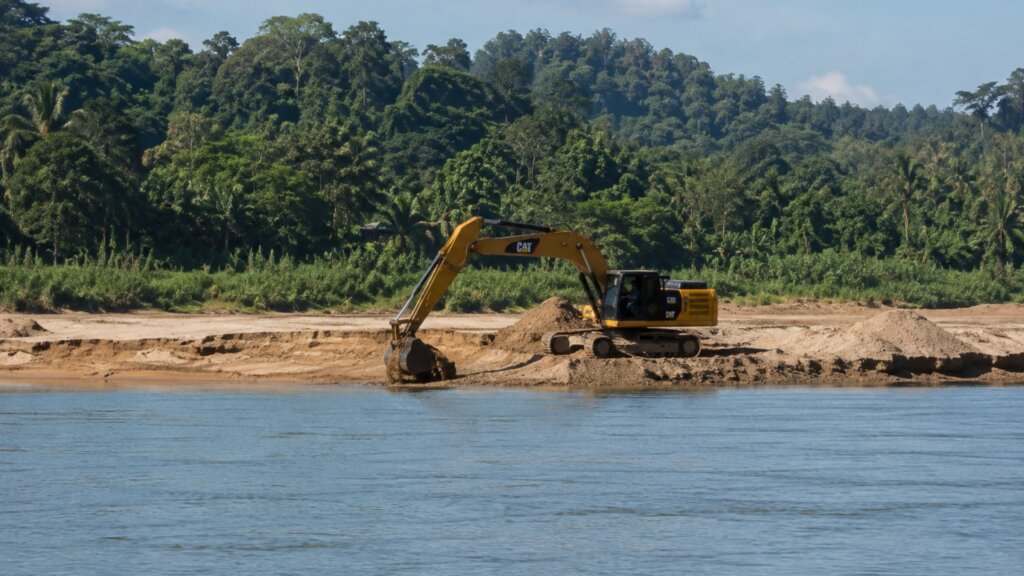
In poorly regulated regions, illegal operators and corrupt officials often capture a disproportionate share of the profits, Park said, while river-dependent communities absorb the damage. The review found that many countries lack even the basic data needed to weigh economic gains against the environmental toll sand mining leaves behind.
Of the 411 studies analyzed, only 27 percent mapped where mining was actually happening, and just 24 percent examined what was driving the demand in the first place. Tran said extraction should be limited to specific locations and volumes based on each river’s sediment budget and its natural ability to replenish itself.
Park told ScienceAlert that meaningful reductions are achievable, but only through coordinated technology, regulation, and demand management working together. Rivers took thousands of years to build the sediment now vanishing in decades. The construction boom shows no sign of slowing, and neither does the extraction feeding it.