


Products are selected by our editors, we may earn commission from links on this page.
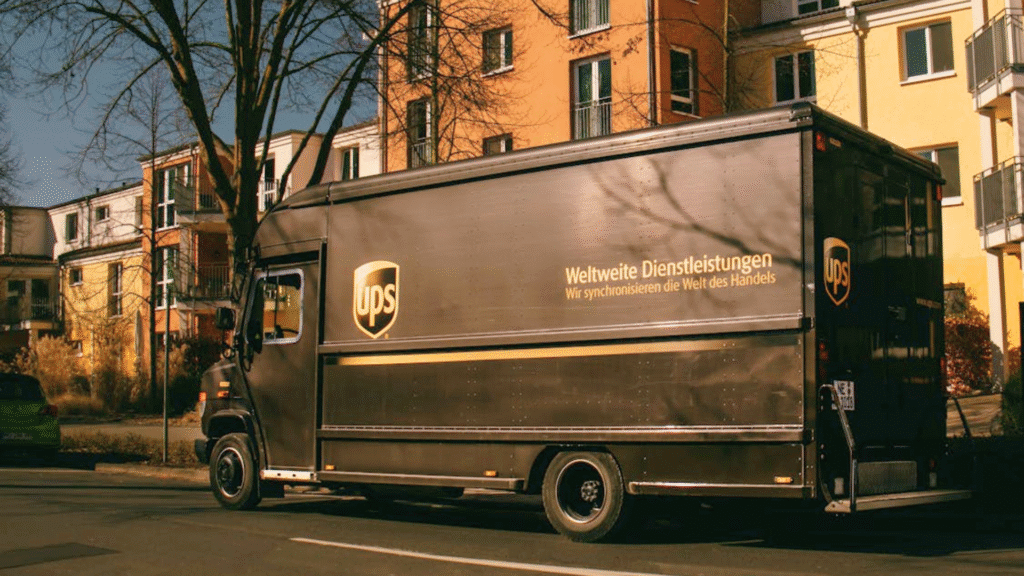
United Parcel Service has revealed a major new round of workforce reductions and facility closures in 2026 as it continues a multi-year restructuring effort that marks the third consecutive year of significant cuts, announcing plans to eliminate up to 30,000 operational jobs and shutter at least 24 buildings as part of a broader plan to reduce costs, streamline its network and adapt to changing package volumes that include a reduction of low-margin deliveries.
UPS’s leadership has framed these actions as essential to align the company’s capacity with current demand and invest more in automation, higher-profit segments such as healthcare logistics, and other areas poised for growth.
The job cuts in 2026 follow an already sweeping series of workforce reductions carried out in 2025, when UPS eliminated approximately 48,000 positions and closed nearly 93 facilities, reshaping its physical footprint and operational structure in the face of decreased delivery volumes and shifting industry dynamics that have challenged profitability. This ongoing downsizing reflects not only internal strategic adjustments but also broader trends in the logistics industry, where companies are reassessing labor needs, network layouts and cost structures to remain competitive.
Chief Financial Officer Brian Dykes explained that much of the reduction will occur through attrition and voluntary separation programs for full-time drivers, with UPS seeking to optimize staffing levels organically rather than pursue large-scale layoffs, while also expanding automation and sorting technology to help manage workload with fewer human roles. The cuts are part of a transition away from historically heavy reliance on large e-commerce customers like Amazon toward sectors that traditionally offer steadier margins.
Why UPS Is Cutting Jobs and Closing Facilities

UPS executives say the decision to cut jobs and close facilities stems from a long-planned effort to right-size the company’s operations in response to sustained declines in package volume from some major customers, including an agreement to halve the amount of deliveries tied to Amazon, which has historically been a significant part of the company’s business but less profitable than other lines of work. Aligning capacity with demand has required UPS to rethink its workforce and its network of hubs and distribution centers to eliminate redundancies and improve efficiency.
The closures and restructuring are also tied to broader adoption of automation and technology that allow the company to process packages more quickly and with fewer staff, a shift that UPS says is necessary to keep pace with competitors and manage costs in a challenging logistics environment.
UPS is investing in automated sorting systems and other infrastructure upgrades that executives believe will yield long-term advantages, even though they reduce near-term employment opportunities in traditional roles.
Additionally, UPS’s strategic pivot emphasizes expanding into higher-margin business areas such as healthcare and specialized logistics that require different staffing profiles and capabilities than its core package-handling workforce, with leadership arguing that this shift will help stabilize profits and reduce reliance on commodities that have historically driven up labor hours without commensurate returns.
What the Cuts Mean for Workers and the Industry
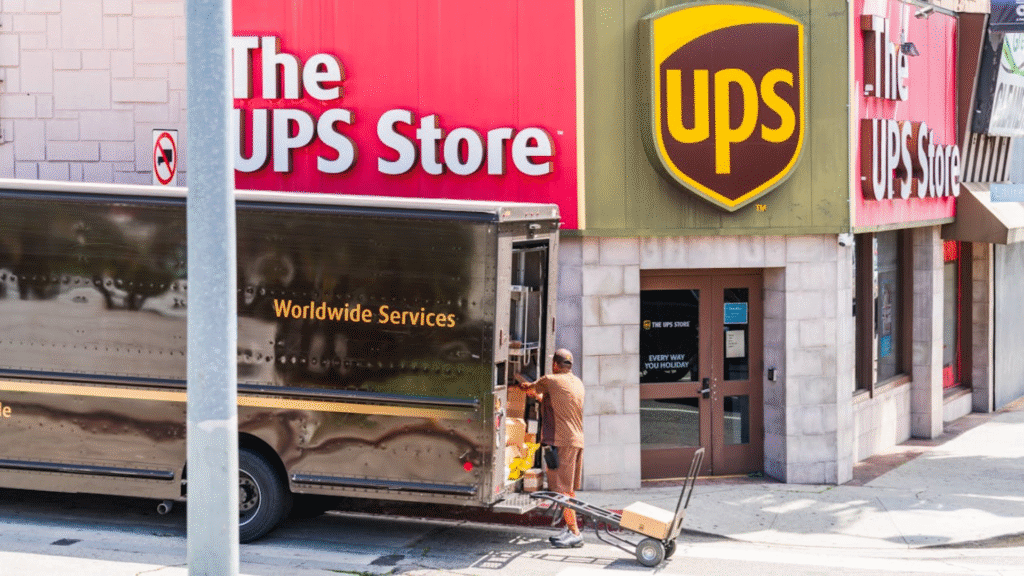
The ongoing reduction in UPS’s workforce inevitably affects employees across many levels of the company, from delivery drivers and sort center personnel to support staff, with many workers choosing voluntary buyouts or facing attrition as roles are phased out, while others may be offered opportunities to transfer to remaining facilities or different operations.
Union leaders and some industry observers have raised concerns about the speed and scale of job losses, noting that even voluntary programs can lead to significant workforce disruption for individuals and communities dependent on UPS employment.
Beyond the internal workforce, the broader delivery and logistics industry is watching UPS’s moves as a bellwether for how major carriers are adjusting to evolving e-commerce trends, automation, and economic pressures that are reshaping how goods are transported and distributed. Competitors such as FedEx, Amazon Logistics and regional carriers are also investing in technology and reconsidering staffing models, underscoring a shift in how physical package handling will be balanced against rising automation and cost management.
Some labor market analysts say that while the overall U.S. job market remains relatively healthy, the concentration of cuts at large corporations like UPS highlights changing employer strategies that favor leaner workforces and investment in technology, a trend that could stretch beyond logistics and affect broader employment patterns if automation continues to replace traditional roles.
UPS’s Future Strategy and Challenges

LLooking ahead, UPS aims to use its current restructuring as a springboard toward a more sustainable cost structure, improved profitability, and a diversified revenue base.
The company is shifting away from low-margin volume toward specialized logistics services that command higher fees, driving a long-term strategic evolution in its business model.
Part of UPS’s strategy involves not only reducing labor costs and consolidating facilities but also aggressively pursuing automation and advanced sorting technologies that allow greater throughput with fewer human roles, a direction that the company believes is necessary to remain competitive in a rapidly evolving industry while satisfying investor expectations for growth and margin expansion.
For employees, shareholders and customers alike, the coming months will reveal how effective these changes are in strengthening UPS’s financial footing and operational capabilities, with the company projecting that its ongoing transformation will eventually deliver more stable earnings even as it navigates the complex challenge of balancing technological investment with human capital in a changing logistics landscape.