


Products are selected by our editors, we may earn commission from links on this page.

A major change in Canadian law is opening the door for millions of Americans to potentially claim Canadian citizenship, and for some, it could mean they are already considered citizens without even realizing it. The update, which took effect in late 2025, dramatically expands who qualifies under Canada’s citizenship-by-descent rules, sparking a surge of interest across the United States as people begin exploring whether their family history connects them to Canada in a way that now carries legal significance.
Previously, Canadian citizenship could only be passed down one generation to children born outside the country, which meant many people with deeper ancestral ties were excluded despite having clear lineage. The new law removes that restriction entirely, allowing individuals to trace eligibility through grandparents, great-grandparents, or even more distant relatives, effectively rewriting how citizenship inheritance works for families with cross-border roots.
As a result, millions of Americans with Canadian ancestry may now qualify for dual citizenship, prompting many to dig into old records, family trees, and historical documents to determine whether they meet the new criteria, while also considering what holding citizenship in another country could mean for travel, work opportunities, and long-term life planning.
How The New Law Works And Who Qualifies

The updated law effectively restores citizenship rights to what are sometimes called “lost Canadians,” individuals who were previously excluded due to outdated rules that limited how far citizenship could be passed down through generations. This means that people who may have been denied recognition in the past could now automatically qualify, creating a wave of newly eligible individuals who are only just discovering their status.
Under the new system, anyone born before December 15, 2025, who can prove they have a direct Canadian ancestor is now considered a citizen by descent, meaning they are legally Canadian even if they have never lived in the country or applied for citizenship before. This shift essentially transforms ancestry into a powerful legal connection that can extend across multiple generations without interruption.
However, applicants must still go through a formal process to confirm their status, which includes gathering documentation such as birth certificates, marriage records, and immigration papers that establish a clear link to a Canadian ancestor, a process that can sometimes be straightforward but may also require significant research depending on how far back the connection goes.
Why So Many Americans Are Suddenly Interested
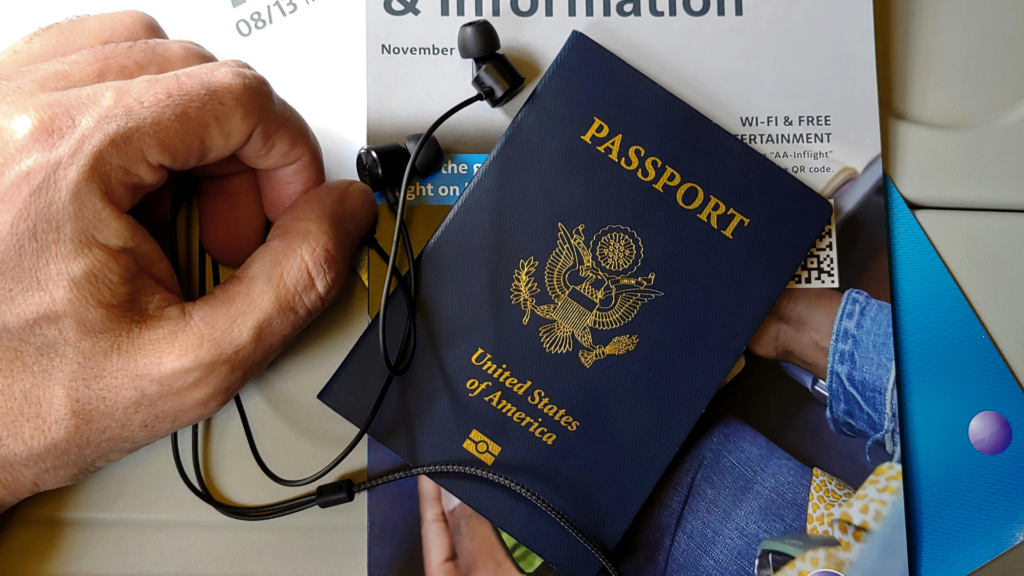
The law change has triggered a surge in applications, with immigration lawyers and consultants reporting a sharp increase in inquiries from Americans eager to confirm their eligibility and secure dual citizenship, often driven by a mix of personal curiosity, financial considerations, and long-term planning for greater flexibility.
Some applicants are drawn by the opportunity to live and work in Canada, benefit from its healthcare system, or gain easier access to international travel, while others are motivated by broader concerns about economic stability, political climate, or simply the desire to have options available for themselves and their families in the future.
In many cases, the process itself is relatively accessible, with a modest application fee and straightforward requirements compared to other immigration pathways, although costs and complexity can increase if applicants need professional assistance to track down historical records or verify family lineage across multiple generations.
What This Means For Americans Going Forward
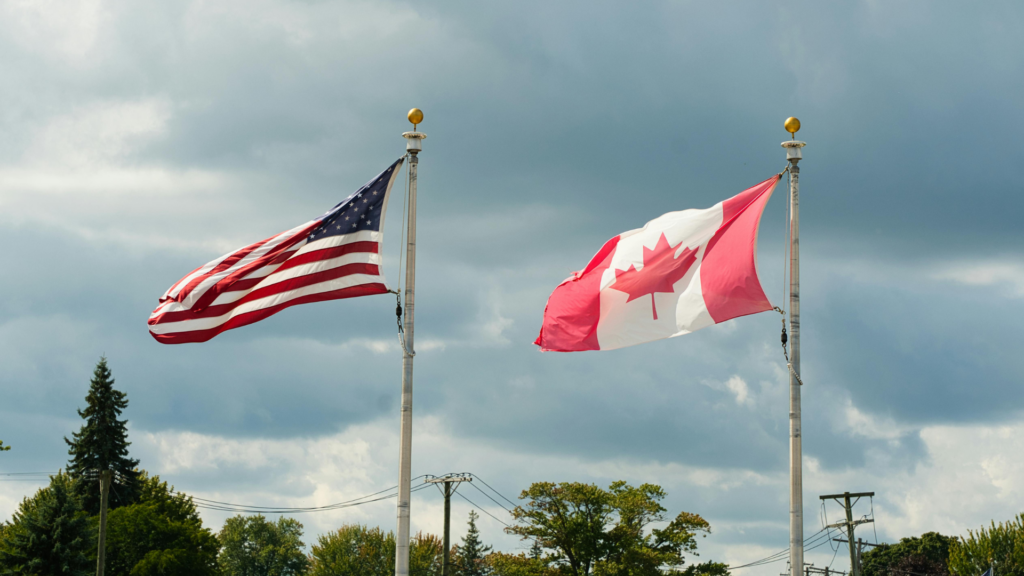
The expansion of Canada’s citizenship rules represents a significant shift in how nationality is defined, offering millions of Americans a new legal pathway that did not exist just a few years ago, and creating opportunities that could reshape how people think about identity, mobility, and cross-border connections.
While the opportunity is generating excitement, experts caution that the surge in applications could place pressure on Canada’s processing system and raise questions about how citizenship is used, particularly when individuals have limited direct ties to the country beyond ancestry.
Ultimately, the new law highlights how deeply interconnected the histories of the United States and Canada are, and how a family connection from decades or even centuries ago can now open doors to entirely new possibilities, making ancestry more relevant than ever in shaping modern opportunities.