

Products are selected by our editors, we may earn commission from links on this page.
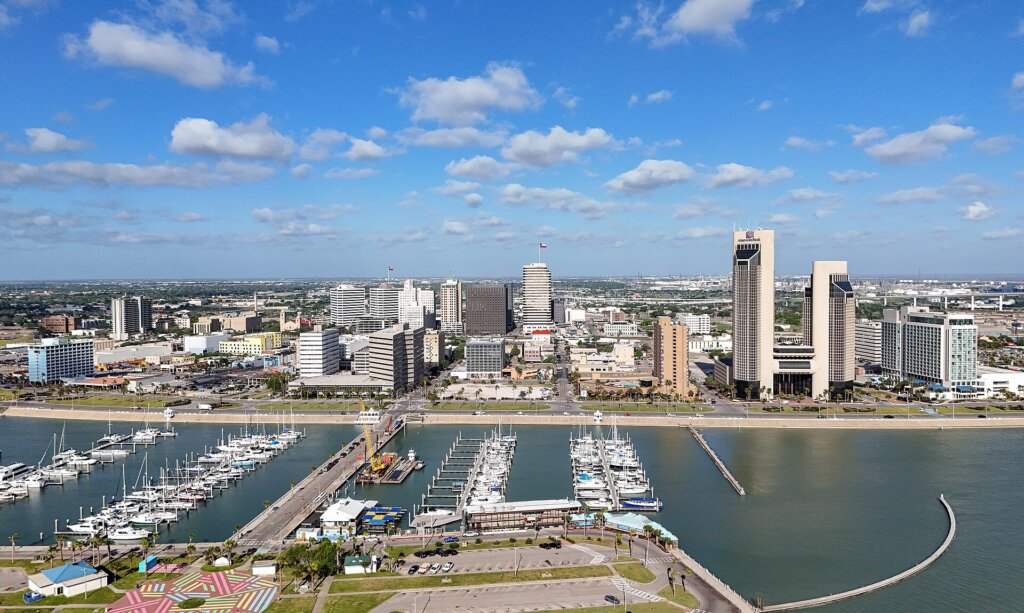
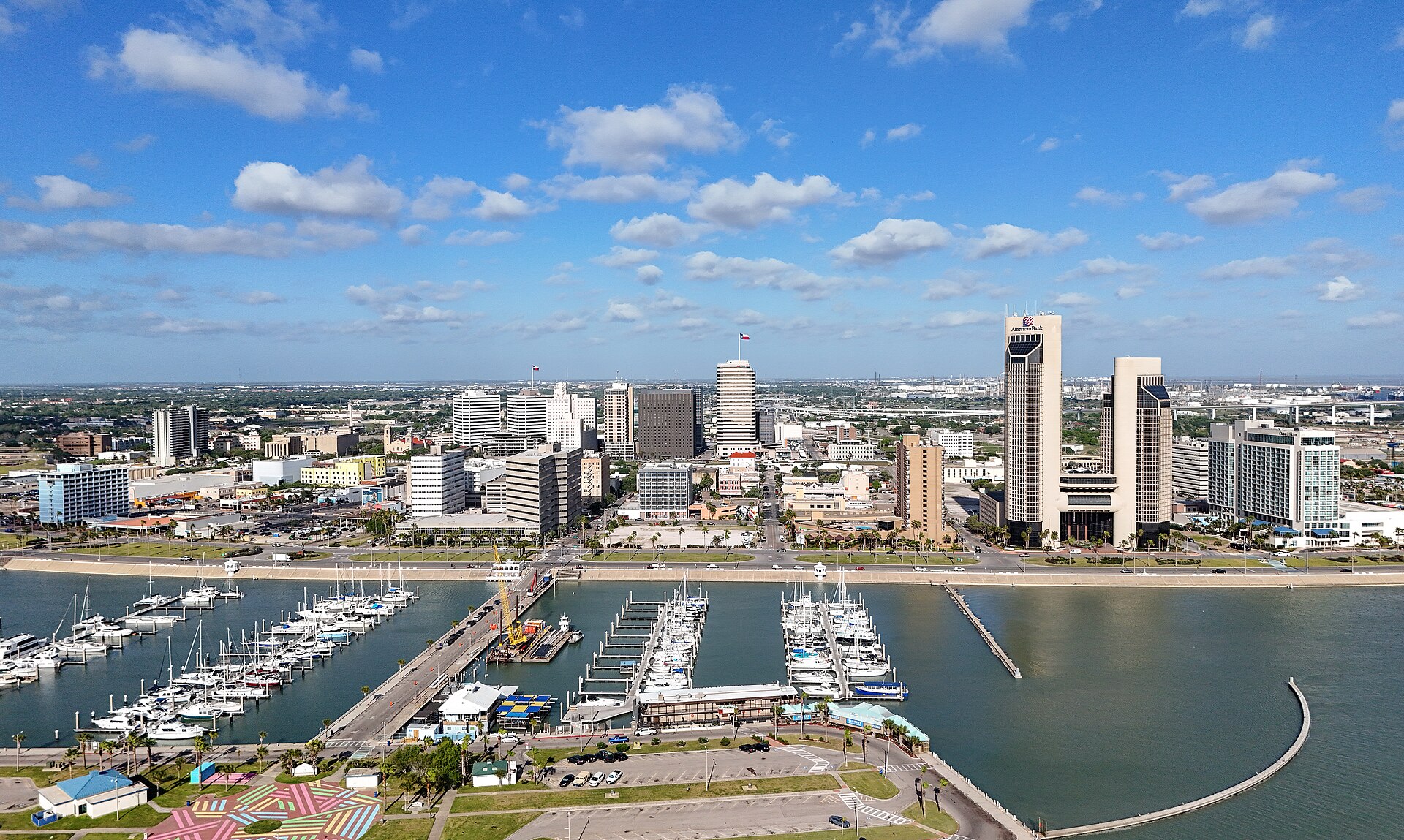
A coastal city surrounded by water found itself confronting an unsettling possibility: the taps could eventually run short. Earlier in 2026, officials in Corpus Christi warned that without meaningful rain or new supplies, the city could enter a severe water emergency within months and exhaust key reserves the following year. The forecast turned reservoir levels into a public countdown rather than a distant environmental concern.
The alarm centered on Lake Corpus Christi and Choke Canyon Reservoir, the two western reservoirs that form the backbone of the regional system. Combined storage had fallen into single digits during the worst stretch of the drought, reaching levels not seen in the system’s recorded history. Officials define a Level 1 Water Emergency as the point when projected supplies are only 180 days from being unable to meet demand.
Corpus Christi’s problem also reaches well beyond its city limits. The municipal utility supplies homes and industries across a seven-county service area, drawing water from the western reservoirs as well as Lake Texana and the Colorado River through the Mary Rhodes Pipeline. A serious shortage could therefore disrupt households, refineries, manufacturers and other operations tied to one of the country’s busiest energy-export regions.
How a Water-Rich Economy Outgrew Its Cushion
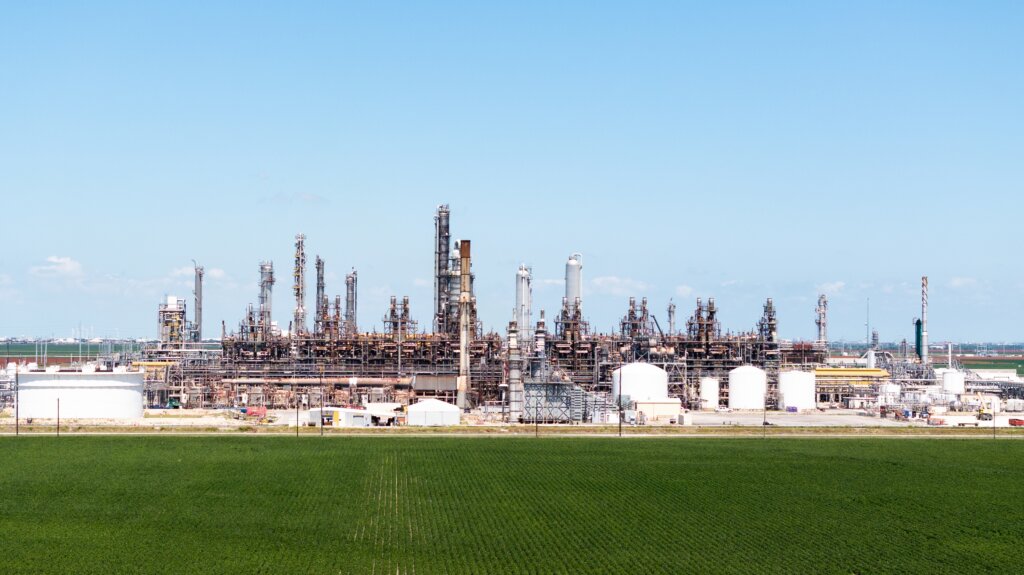
Corpus Christi did not arrive at this point because residents suddenly began taking longer showers. The city’s water network supports a large industrial base alongside its residential population, placing unusually heavy demand on a system vulnerable to prolonged dry weather. Reporting by The Texas Tribune found that a small group of major industrial customers accounted for more than half of municipal water use during the crisis.
That imbalance has sharpened a difficult local argument. Industry provides jobs, tax revenue and economic activity, yet residents facing lawn-watering restrictions and conservation appeals have questioned whether the burden is being shared fairly. The dispute is not simply about who uses the most water; it is about which uses are protected when the available supply begins shrinking toward an emergency threshold.
Long-term planning has become another source of frustration. Corpus Christi pursued desalination, groundwater, reclaimed water and pipeline projects, but several solutions remained incomplete as reservoir levels continued to fall. City leaders approved a portfolio approaching $1 billion in water infrastructure, with projects expected to add as much as 76 million gallons per day, although those supplies were scheduled to arrive in stages rather than all at once.
Rain Bought Time, but It Did Not Erase the Risk

Then the weather changed the arithmetic. Rainfall in late spring lifted combined reservoir capacity and pushed the projected emergency date from September 2026 to December, then to September 2027. The improvement offered the city something it had been struggling to manufacture through construction schedules and conservation orders: time.
July storms delivered a much larger reprieve. Floodwater moving through the Nueces and Frio river systems poured into the reservoirs, sending Choke Canyon sharply higher after it had fallen below 8% capacity. By July 28, the state’s municipal reservoir summary showed the Corpus Christi system at 37.3% full, compared with 27% a year earlier, while newer projections pushed the Level 1 emergency into fall 2028.
That rebound is dramatic, but it should not be mistaken for a permanent fix. Choke Canyon has remained below 50% full since 2013, and reservoir recoveries in South Texas depend heavily on where rain falls, how much runoff reaches the rivers, and how quickly demand draws storage back down. One wet spell can transform the shoreline; it cannot replace a diversified water system.
The Real Test Begins After the Crisis Eases
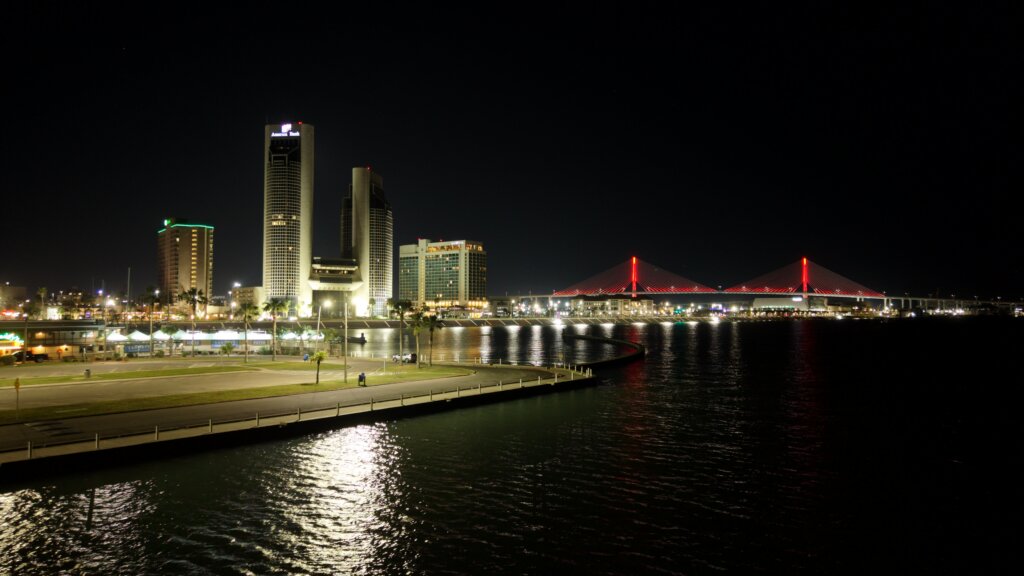
The extra water gives Corpus Christi a wider window to complete projects already in motion. Groundwater wells, reclaimed-water systems, pipeline improvements and other emergency measures are intended to reduce the city’s dependence on rainfall alone. The city says some projects are already producing water, while additional capacity is expected to come online over the next two years.
Desalination remains among the most closely watched—and contested—pieces of that strategy. Supporters view seawater treatment as a drought-resistant supply for a coastal industrial city. Critics have raised concerns about cost, environmental effects and whether the project’s benefits justify the financial commitment. Meanwhile, the urgency that propelled emergency spending may become harder to sustain now that reservoirs no longer appear to be approaching immediate failure.
That may be the deeper lesson in Corpus Christi’s near-miss. Water crises are easiest to recognize when boat ramps lead to dust and emergency dates appear on official dashboards. The harder work comes after rain softens the warning: finishing projects, confronting demand and deciding how much protection the city is willing to pay for before the next dry cycle begins.