


Products are selected by our editors, we may earn commission from links on this page.

Thousands of workers walked off the job at a major beef processing plant in Greeley, marking one of the most significant labor actions in the American meatpacking industry in decades. Employees formed picket lines outside the facility, chanting and holding signs as they demanded better wages and working conditions. The strike reflects mounting frustration among workers who say their compensation has not kept pace with rising living costs.
The facility, operated by JBS USA, is one of the largest slaughterhouses in the country and plays a crucial role in national beef production. Union representatives claim nearly all eligible workers supported the strike, signaling deep dissatisfaction across the workforce. Company officials, however, maintain that their contract offers are fair and accuse union leadership of prolonging the dispute.
This rare labor stoppage highlights long-standing tensions in an industry known for physically demanding and hazardous work. It also underscores broader questions about labor rights, corporate accountability, and how essential workers are valued in supply chains that feed millions of people daily.
Workers Cite Low Pay and Difficult Conditions as Core Issues
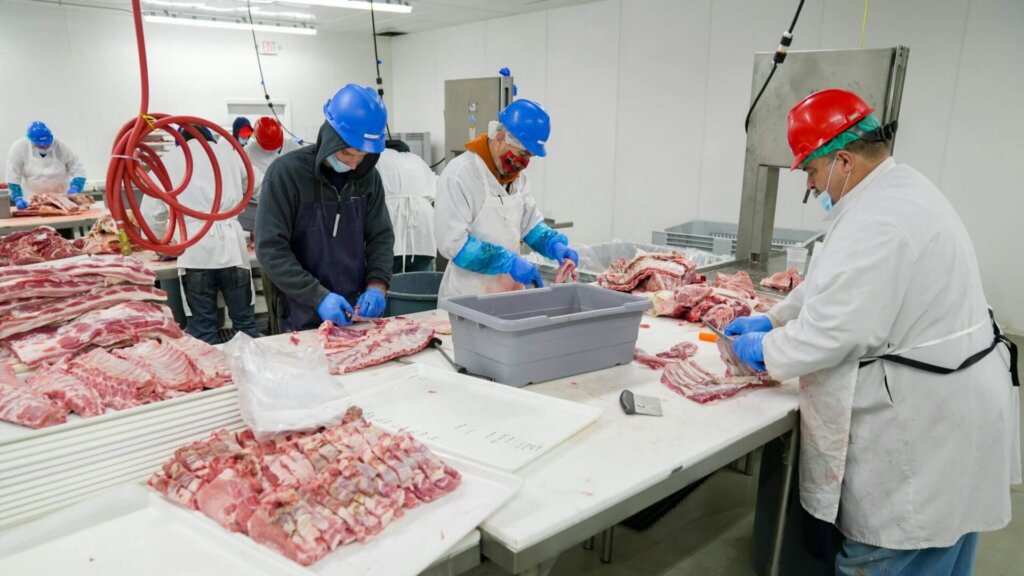
Union leaders argue that employees perform some of the toughest jobs in the country yet receive wage increases that fail to match inflation. Many workers say the proposed annual raises fall below the rising cost of living, leaving families struggling to make ends meet despite full-time employment in a critical industry.
Beyond wages, concerns extend to workplace conditions and benefits. Workers allege they are required to shoulder significant costs for protective equipment and healthcare, adding financial strain to already demanding roles. These grievances have fueled widespread support for the strike among union members.
Employees also claim that management engaged in retaliatory practices and attempted to weaken union participation. While the company denies these accusations, the dispute reflects a deeper conflict over power, fairness, and dignity within industrial labor environments that are often out of public view.
Rising Beef Prices Add Pressure to an Already Strained Market
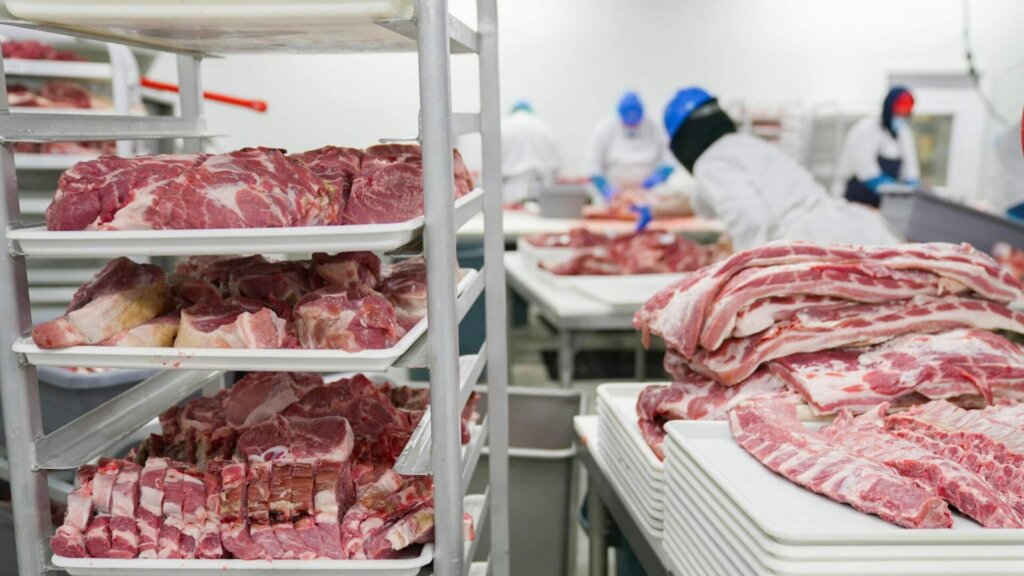
The strike comes at a time when beef prices in the United States are already at record highs. A shrinking national cattle herd, driven in part by drought and economic pressures on ranchers, has tightened supply and pushed costs upward for consumers.
Federal attention has intensified, with Donald Trump calling for investigations into soaring meat prices and the role of large corporations in shaping the market. Trade policies and tariffs on major beef exporters have further complicated the supply chain, limiting imports and increasing reliance on domestic production.
With the Greeley plant accounting for a notable share of national processing capacity, even a temporary disruption could ripple across the industry. Analysts warn that prolonged labor disputes may exacerbate price increases, placing additional strain on households already grappling with inflation.
Economic Impact Could Extend Beyond the Factory Floor
The effects of the strike are not confined to the plant itself. Local economies, particularly in regions dependent on agriculture and meat processing, could feel the consequences if the dispute continues. Feedlot operators, for example, may face rising costs as cattle remain in holding patterns longer than expected.
Industry experts note that while other facilities may absorb some of the production load, sustained disruption could create bottlenecks. This would not only affect supply chains but also increase operational costs across the sector, ultimately passed on to consumers.
For the community of Greeley, where the plant is a major employer, the strike carries social and economic weight. Families, businesses, and local services are all tied to the plant’s operations, making the outcome of negotiations critical not just for workers and the company, but for the broader region as well.