

Products are selected by our editors, we may earn commission from links on this page.
The U.S. Department of Transportation is urging Americans to reset their travel mindset. With violent and disruptive incidents on airplanes surging in recent years, the agency is launching a “civility” campaign aimed at restoring courtesy in the skies. Officials say the initiative is about safety for travelers, flight crews and airport staff.
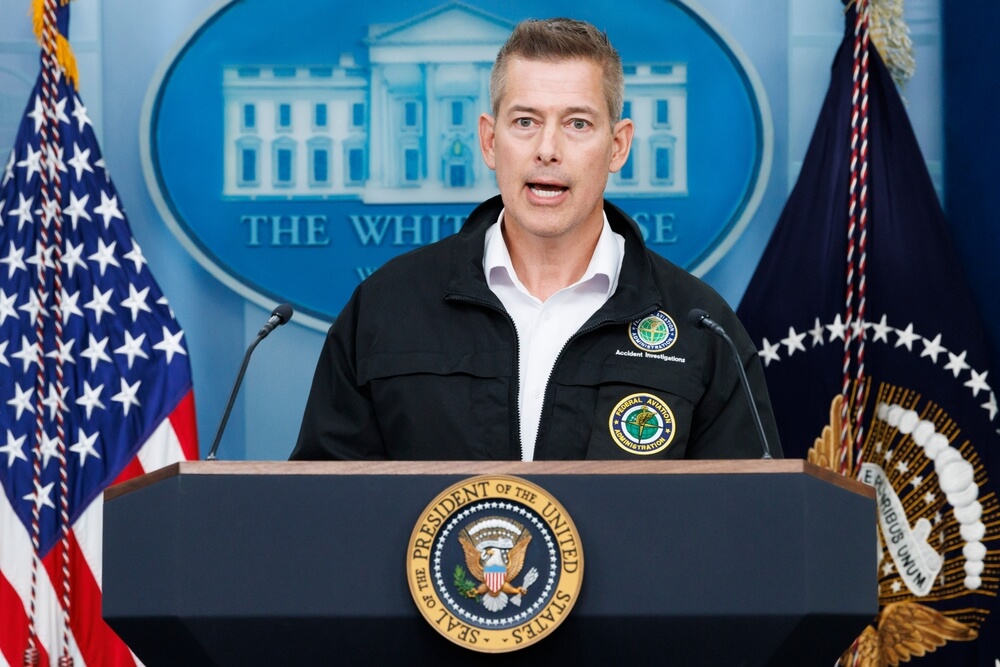
Transportation Secretary Sean P. Duffy says there has been a 400% increase in outbursts on planes since 2019, ranging from verbal confrontations to physical attacks. The Federal Aviation Administration has recorded 13,800 unruly passenger incidents since 2021, while one in five flight attendants reported experiencing a physical incident in the same year.
Branded “The Golden Age of Travel Starts with You,” the campaign encourages passengers to approach flying with civility, manners, and shared responsibility. A Department news release frames it as a nationwide conversation to restore courtesy, not just a reminder to say “please” and “thank you.” Officials say it is intended to protect passengers, gate workers, pilots and airline staff.
Duffy offers simple behavioral questions to travelers: Are you helping others with overhead bags? Are children being supervised? Are you thanking flight attendants? He argues that these everyday actions, rather than regulations, can improve the travel experience and reduce unnecessary conflict.
A Campaign Framed Around Public Safety

According to the DOT, the initiative is grounded in incident data, not etiquette preferences. Reports of unruly passenger events doubled from 2019 to 2024, and unruly passenger reports rose sixfold between 2020 and 2021. Officials say restoring decorum can de-escalate situations before they turn violent.
Critics argue the campaign focuses on traveler behavior rather than the conditions that fuel frustration. Aviation experts told reporters that cramped cabins, reduced amenities and staffing shortages may play a larger role in outbursts than manners alone. Some travelers say they are dressed casually or become irritable because flying feels stressful, delayed, or physically uncomfortable.
Travelers Push Back Online
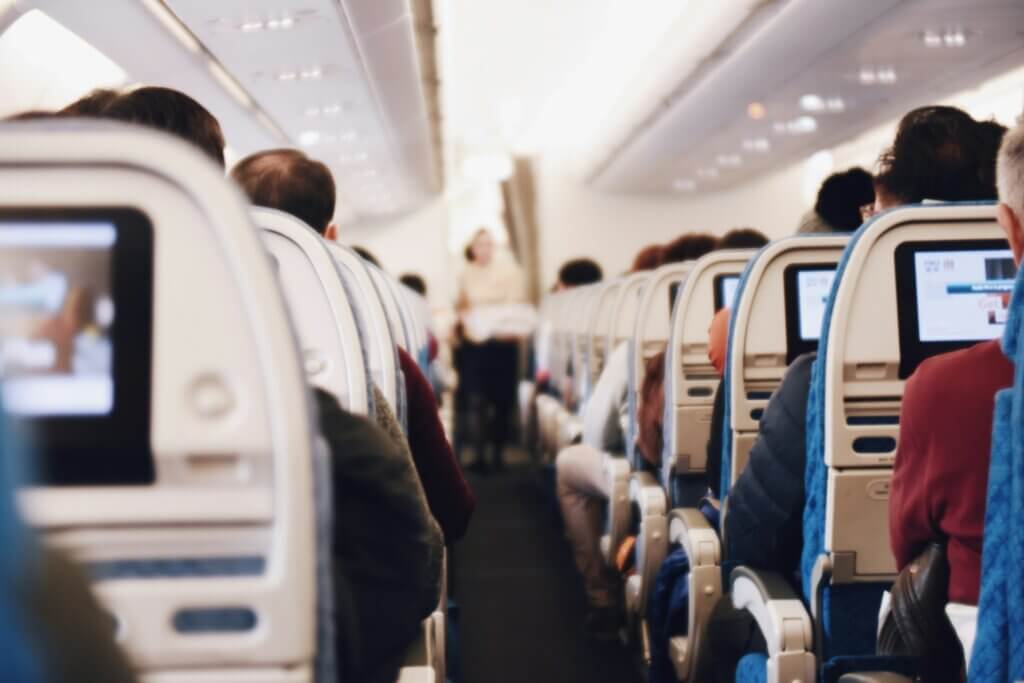
The initiative has sparked heated discussions on social media. Commenters on Duffy’s posts argue that civility should not be a one-way expectation, pointing to long TSA lines, tight seating and unpredictable schedules. Several users say improving flight punctuality and personal space would do more to reduce tension than policing clothing or tone.
Analysts like Henry Harteveldt note that poor cabin design and airline staffing policies contribute to agitation before passengers ever take off. Others recommend remedies like more legroom, reduced alcohol service, clearer boarding processes and less stressful security procedures. They say those measures would reduce incidents more reliably than polite reminders.
The Department Says It’s Only One Piece
Officials maintain that the civility campaign is part of a larger modernization effort that also includes upgrades to the air traffic control system and hiring surges. Duffy says the goal is not to lecture passengers, but to improve how Americans travel and to protect aviation workers who have experienced an unprecedented rise in hostility.
Transportation officials acknowledge that reversing a 400% spike in traveler outbursts will not happen overnight. They emphasize that the the initiative is only a starting point, aimed at shifting attitudes and expectations before boarding begins. If passengers, crews, and airlines respond in kind, the campaign could help rebuild an atmosphere where travel feels cooperative rather than confrontational.