


Products are selected by our editors, we may earn commission from links on this page.
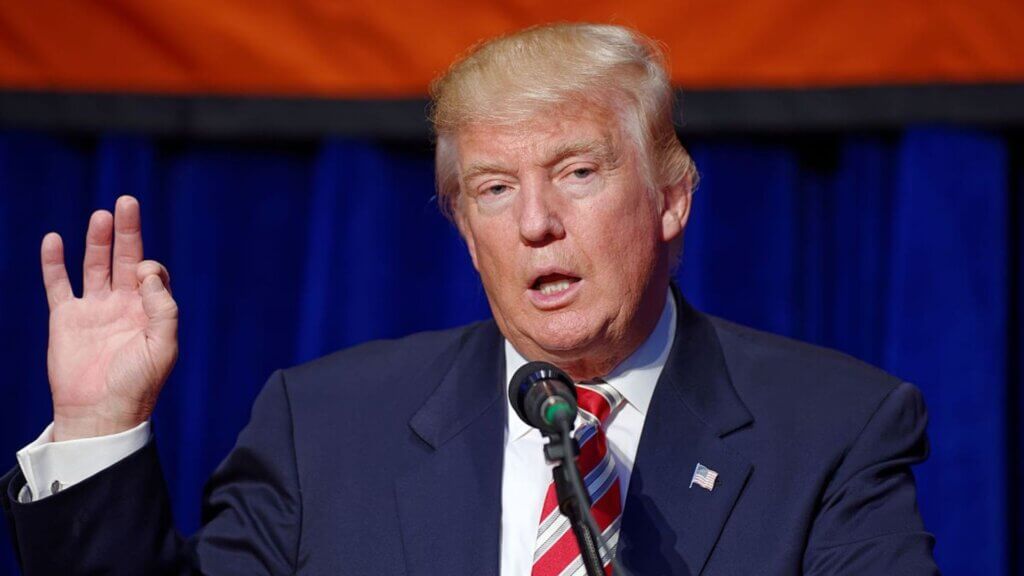
House Democrats have opened a high-profile investigation into President Donald Trump, accusing him of attempting to divert $230 million in taxpayer funds through a backdoor legal maneuver. The alleged scheme, branded both unconstitutional and illegal, centers on Trump’s effort to have the DOJ approve claims for personal reimbursement. The development adds a new front in the growing scrutiny over Trump’s post-presidency conduct and his relationship with federal institutions.
The Unfolding Allegations

The controversy stems from a newly revealed letter from House Democrats Jamie Raskin and Robert Garcia, who allege that Trump directed DOJ officials to authorize an internal claim under the Federal Tort Claims Act (FTCA). The move, if successful, would have triggered a payout of hundreds of millions from the U.S. Treasury directly to Trump—a payout Democrats say he is not legally entitled to.
A “Blatantly Illegal” Attempt to Tap Public Funds

“In remarks to the press this week, you described a blatantly illegal and unconstitutional effort to steal $230 million from the American people,” the letter reads. “Your plan to have your obedient underlings at the Department of Justice instruct the U.S. Treasury to pay you, personally, hundreds of millions of dollars… is an outrageous and shocking attempt to shake down the American people.”
Raskin and Garcia, in their official statement, called it an “outrageous conspiracy” that undermines public trust and violates constitutional limits.
The Legal Loophole at the Center of It All

The alleged plan hinged on the Federal Tort Claims Act, a statute that allows citizens to seek compensation for harm caused by government agencies. Typically, this law applies to individuals affected by government negligence, not a sitting president seeking reimbursement for legal battles.
Democrats say Trump’s team attempted to exploit the statute’s administrative discretion to quietly authorize a Treasury payment without judicial oversight, a move that could blur the boundaries between public service and private gain.
The Constitutional Red Flag

Central to the case is the Domestic Emoluments Clause, which bars any sitting president from receiving additional compensation from the U.S. government beyond their fixed salary. “The Founders feared presidents like you might one day be tempted to use their powers to steal U.S. taxpayer funds,” the letter warns, emphasizing that Trump’s alleged actions would directly violate this constitutional safeguard.
Inside the Investigation

The House Judiciary Committee’s minority leadership has requested all documents related to Trump’s reimbursement claims, including emails, memos, and communications with DOJ attorneys. The October 30, 2025 deadline gives Trump’s legal team limited time to comply.
Lawmakers have asked for all FTCA-related correspondence, as well as internal ethics opinions concerning any former Trump attorneys now serving in government positions. The full letter is publicly available through the U.S. House Judiciary Committee.
Trump’s Response and Republican Pushback
Trump’s representatives have dismissed the probe as another “politically motivated witch hunt,” insisting that his requests were a legitimate effort to recoup legal costs incurred during what they describe as politically charged investigations. Several Republican lawmakers have echoed this defense, accusing Democrats of weaponizing congressional oversight for electoral advantage.
Why It Matters: A Fight Over the Rule of Law

Beyond the staggering sum involved, legal scholars say the case highlights a broader debate over executive power, transparency, and the rule of law. If a president can use internal government processes for personal benefit, experts warn, it sets a dangerous precedent that could erode constitutional checks designed to protect taxpayer funds from abuse.
The Road Ahead

The investigation’s next phase hinges on whether the DOJ or Treasury confirms Trump’s involvement in the claims process. Should the allegations hold, it could prompt a referral for criminal or constitutional review, marking one of the most consequential post-presidency inquiries in U.S. history.
A Test of Transparency and Trust
The $230 million dispute underscores a growing debate about public trust and presidential ethics. “There is still time for you—and anyone in your Administration considering aiding and abetting these comically unconstitutional actions—to call off this outrageous conspiracy,” Raskin and Garcia wrote.
Whether the probe uncovers misconduct or not, the case has already reignited national discussion about transparency, accountability, and the limits of presidential privilege.