

Products are selected by our editors, we may earn commission from links on this page.
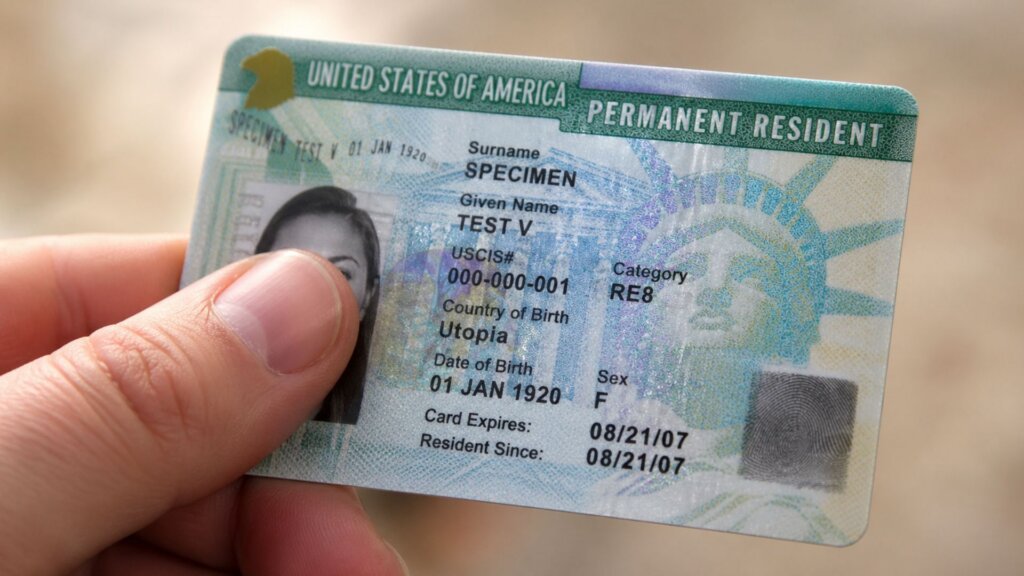
The United States government is reviewing what immigrants post on social media before deciding whether to grant them permanent residency or citizenship. Under new guidance from the Trump administration, an applicant who writes “Stop Israeli Terror in Palestine” online could be denied a green card.
This article was created with the assistance of AI and reviewed by our editorial team for accuracy and clarity.
What the New Vetting Policy Actually Says

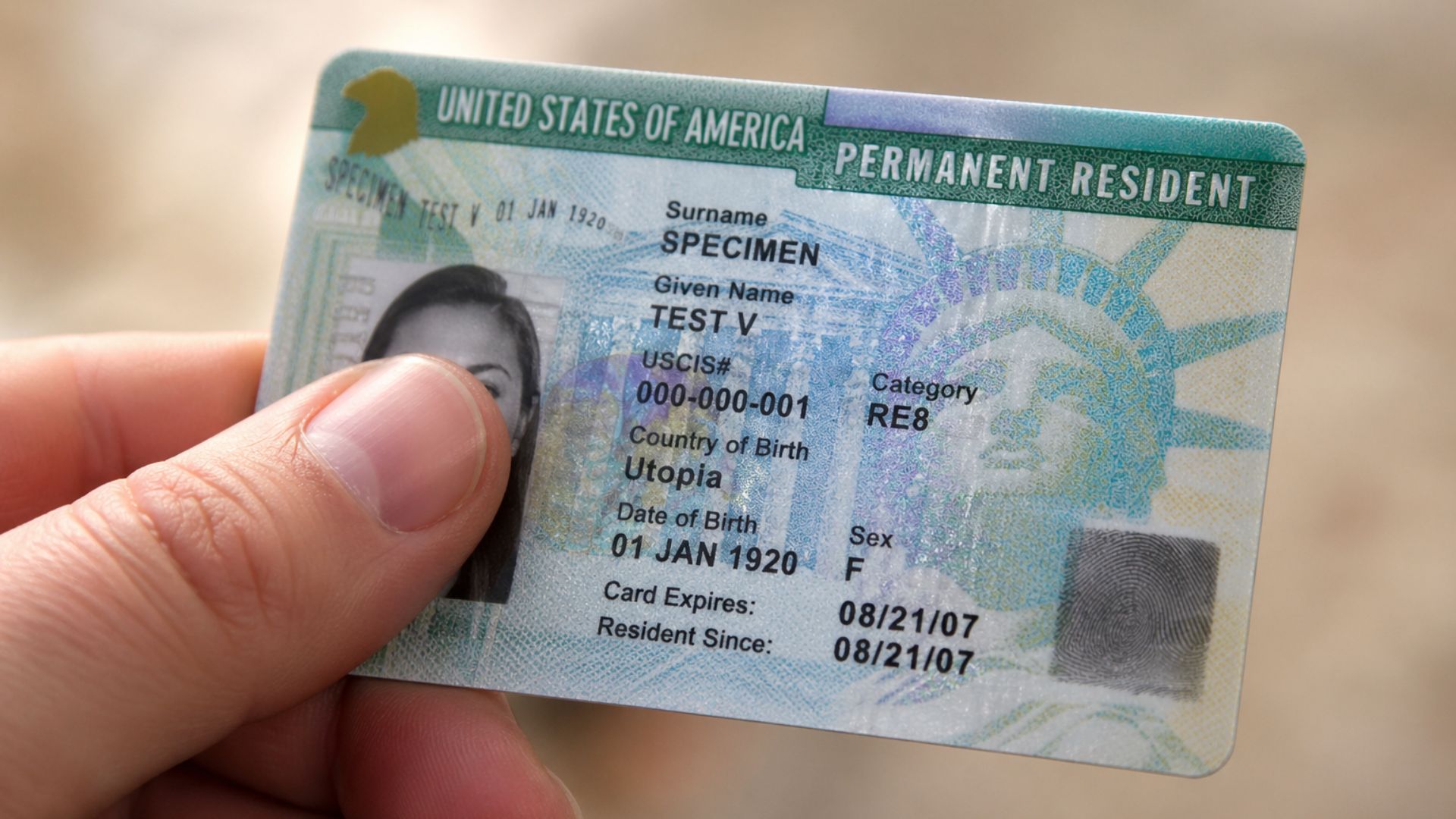
The Department of Homeland Security confirmed that U.S. Citizenship and Immigration Services is screening applicants for green cards and naturalization based on their expressed political views. Internal documents reviewed by The New York Times revealed that officers can flag and deny applications when someone has posted content deemed hostile to American values. The process is already underway. According to DHS, the policy has been in effect since at least last month.
The Government’s Justification for the Crackdown

USCIS spokesman Zach Kahler told Newsweek that federal law requires naturalization applicants to show “good moral character” and genuine attachment to constitutional principles. He described the vetting as fair, saying the agency evaluates immigrants based on their “own words and actions.” Specifically, officials are flagging those who express terrorist ideologies, hatred for American values, or calls for the violent overthrow of the government. In the administration’s framing: if you hate America, you should not live here.
Social Media as a Political Loyalty Test

Immigration officers are being directed to weigh specific social media posts as red flags. According to The New York Times, a post reading “Stop Israeli Terror in Palestine” paired with a crossed-out Israeli flag would be rated “overwhelmingly negative” by reviewers. This means applicants may be judged not for what they have done, but for what they believe. The boundary between national security screening and ideological gatekeeping is becoming harder to define.
How This Escalated From Previous Policies
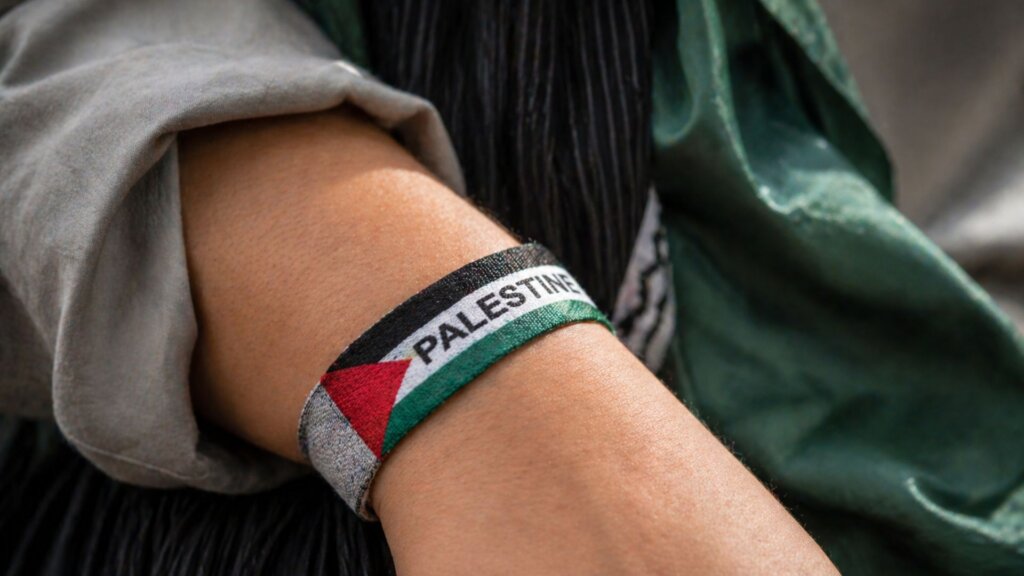
This directive builds on a pattern. In April 2025, USCIS announced it would monitor social media for antisemitism, a move critics said targeted pro-Palestinian voices rather than anti-Jewish content. Later in the year, the administration expanded monitoring to include what it called anti-American viewpoints. Foreign students were also detained and had visas revoked for pro-Palestinian speech. Each step has moved the line of acceptable expression closer to the political preferences of the current administration.
The First Amendment Problem at the Heart of This Policy
Civil liberties advocates are sounding alarms. Brian Hauss, deputy director of the ACLU’s Speech, Privacy, and Technology project, told Newsweek that the Supreme Court has affirmed noncitizens hold First Amendment rights. He warned the policy betrays founding principles, adding that today it targets speech about Israel-Palestine, but there is no telling what political views the government will penalize next. The concern is not just about who is affected now. It is about what kind of tool the government is building.
Lawmakers Push Back on the Administration

Congressional voices have joined the criticism. Maryland Democratic Senator Chris Van Hollen wrote on X that denying legal residency based on agreement with a person’s speech is a fundamental break from American tradition. “Since when did it become anti-American to criticize the actions of a foreign government?” he asked. Civil liberties group Defending Rights and Dissent described the guidance as a direct attack on free expression, saying the government is deciding who can remain in the country based purely on political opinion.
Who Gets to Define “American Values”?
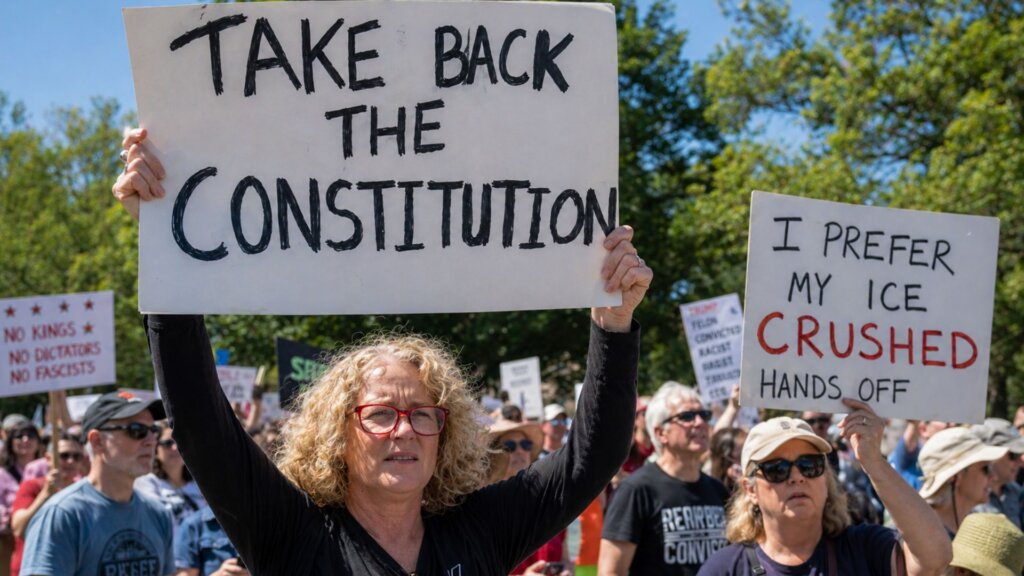
The central question this policy raises is deceptively simple: who decides what “American values” means? The administration has defined them in ways that exclude criticism of a foreign government’s military actions. But American history includes robust traditions of dissent, protest, and criticism of allied nations. When that definition is controlled by one administration and applied to people seeking permanent residency, the practical effect is a political loyalty test with life-changing consequences attached.
The Broader Surveillance System Already in Place
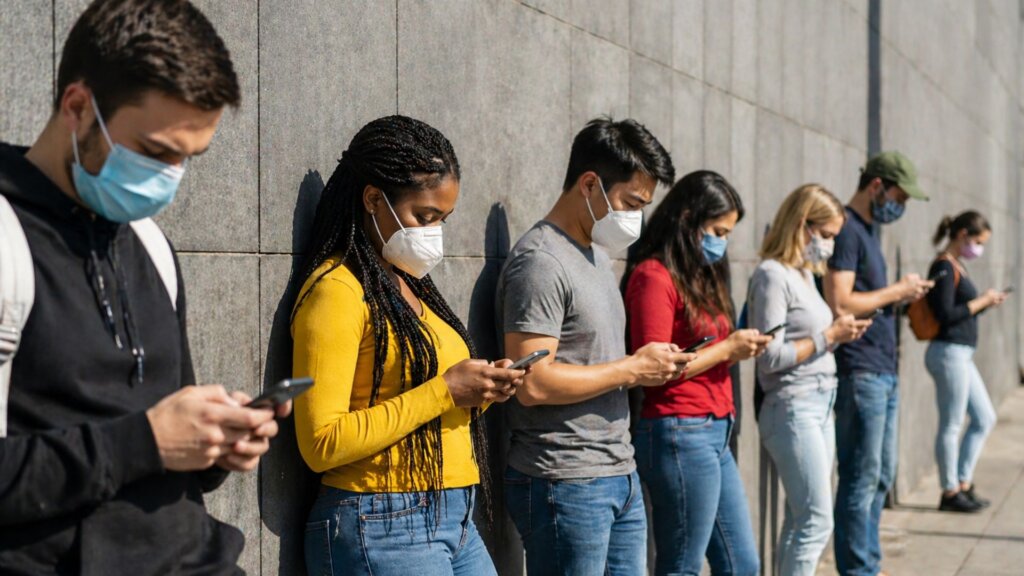
This policy does not exist in isolation. The State Department and DHS are already scrutinizing the social media accounts of visa applicants and foreign visitors. Green card and citizenship applicants join a growing category of people whose digital lives are subject to ideological review before they can build a life in the United States. The infrastructure for this kind of screening, once built and normalized, rarely disappears when administrations change. It tends to expand.
What This Moment Could Mean for Immigration’s Future

America has always argued over who belongs within its borders. But the debate has rarely turned so explicitly on political belief rather than background, behavior, or criminal record. If courts do not intervene, the precedent set here could outlast any single presidency. The question worth sitting with is this: if a government can deny you a home based on what you believe, what does it mean to call that country free?