

Products are selected by our editors, we may earn commission from links on this page.
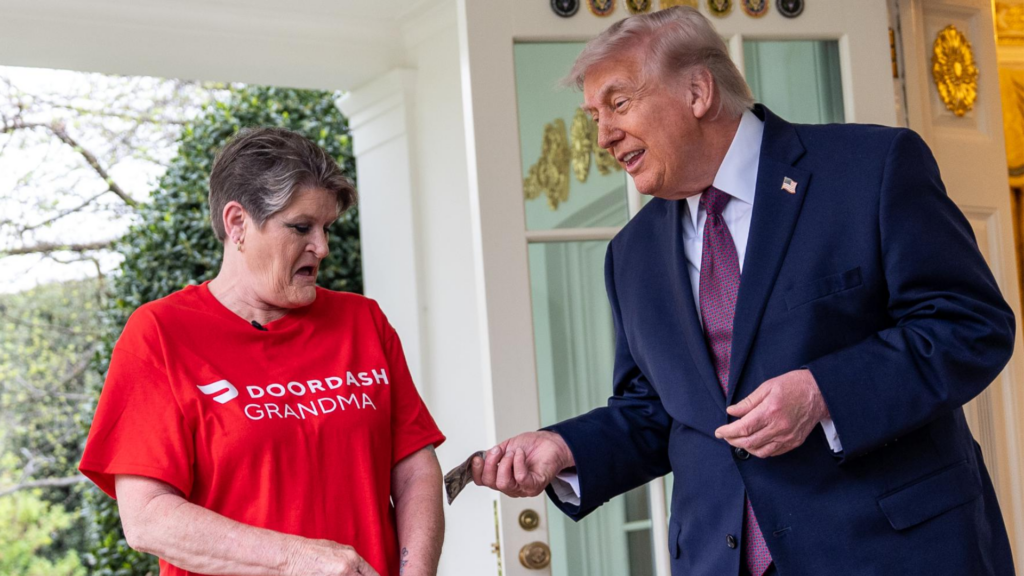
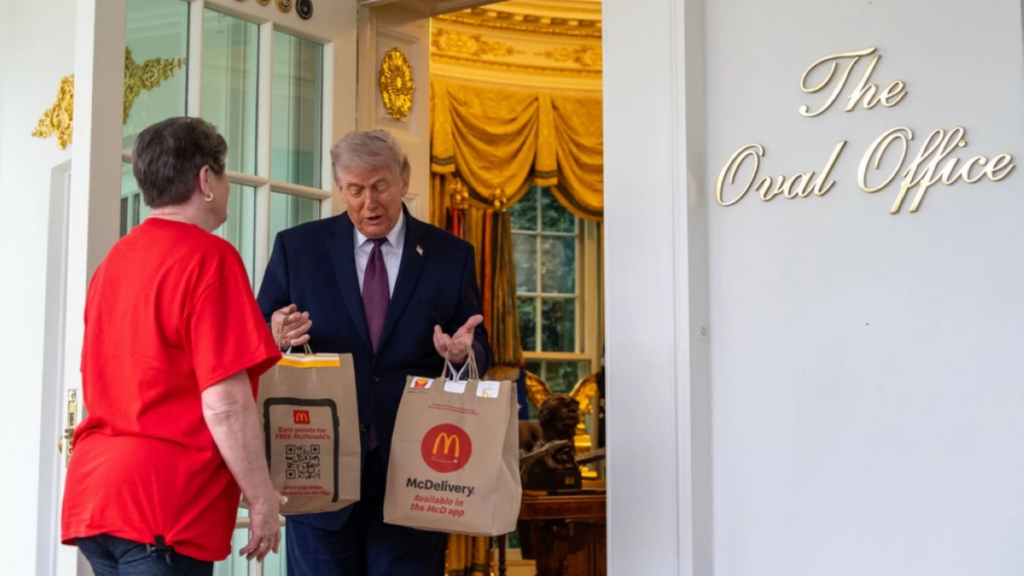
A recent moment at the White House has captured widespread attention after Donald Trump gave a DoorDash driver a $100 tip during a McDonald’s delivery. The interaction took place outside the Oval Office, where the delivery was made in front of reporters and cameras. What appeared to be a casual food order quickly turned into a political message tied to Trump’s economic policies.
The delivery included two bags of McDonald’s, featuring items like cheeseburgers and fries, which Trump has long been known to favor. The driver, identified as Sharon Simmons, was invited to participate in the moment as part of a broader public appearance. The scene blended a routine gig economy interaction with a staged policy promotion at one of the most high-profile locations in the world.
As cameras rolled, Trump handed the driver what appeared to be a $100 bill, reinforcing the message he was trying to highlight. The gesture was directly tied to his push for eliminating taxes on tips, a policy he has been promoting heavily in recent months. The moment quickly went viral, drawing both attention and criticism across media outlets and social platforms.
The Policy Behind the Moment
The delivery was not just about food, it was part of a broader effort to promote Trump’s “no tax on tips” initiative. The policy aims to allow eligible workers to deduct a significant portion of their tip income from federal taxes, with some proposals suggesting up to $25,000 in deductions. Supporters argue that the move would provide meaningful financial relief to service workers who rely heavily on tips.
During the event, the DoorDash driver shared that the policy had already made a noticeable difference in her income. Reports indicate that she may have saved thousands of dollars under the tax changes, highlighting the real-world impact Trump wanted to emphasize. By featuring a gig worker in a live setting, the administration aimed to humanize the policy and show its benefits.
The timing of the event also appeared strategic, coming just ahead of tax deadlines and amid broader economic messaging. Trump has framed the initiative as part of a larger tax reform package designed to boost take-home pay for workers. However, critics argue that the policy’s long-term effects and limitations remain unclear.
Reactions and Controversy
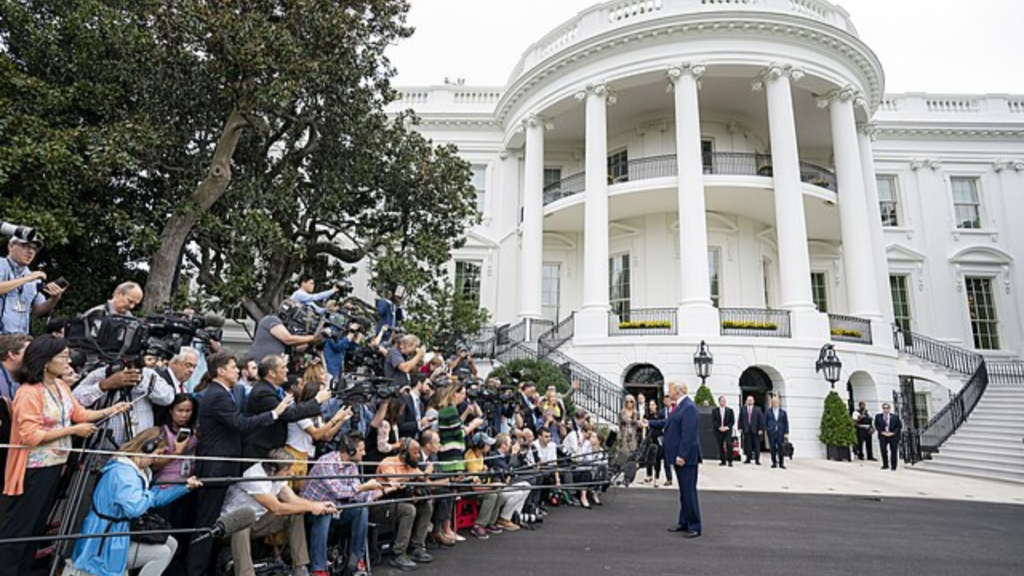
The moment quickly sparked mixed reactions, with some praising the gesture as a show of support for service workers. Others, however, viewed it as a staged publicity stunt designed to draw attention to a controversial policy. Critics pointed out that the highly orchestrated setting raised questions about authenticity and intent.
The interaction also included unexpected moments, such as Trump asking the driver political questions in front of the media. While the driver largely avoided engaging in these topics, the exchange added to the controversy surrounding the event. Observers noted that what began as a simple delivery quickly turned into a broader political spectacle.
Despite the criticism, the story gained massive traction online, with clips and headlines spreading rapidly. The combination of fast food, tipping, and politics created a highly shareable moment that resonated across different audiences. As a result, the event became one of the most talked-about political stories of the day.
A Viral Moment With Political Implications
The DoorDash delivery to the White House illustrates how everyday moments can be transformed into powerful political messaging tools. By combining a relatable scenario with a policy announcement, Trump created a moment that captured public attention. The $100 tip served as both a symbolic gesture and a reinforcement of his broader economic message.
At the same time, the event highlights the growing role of media optics in modern politics, where even small interactions can carry significant meaning. Whether viewed as genuine or staged, the moment succeeded in bringing attention to the issue of tip taxation. It also reflects how political figures increasingly use unconventional methods to communicate policy ideas.
As debates over tax policy and worker income continue, the story serves as a reminder of how policy discussions can intersect with everyday life in unexpected ways. The viral delivery may have been brief, but its impact on public conversation is likely to linger.