

Products are selected by our editors, we may earn commission from links on this page.
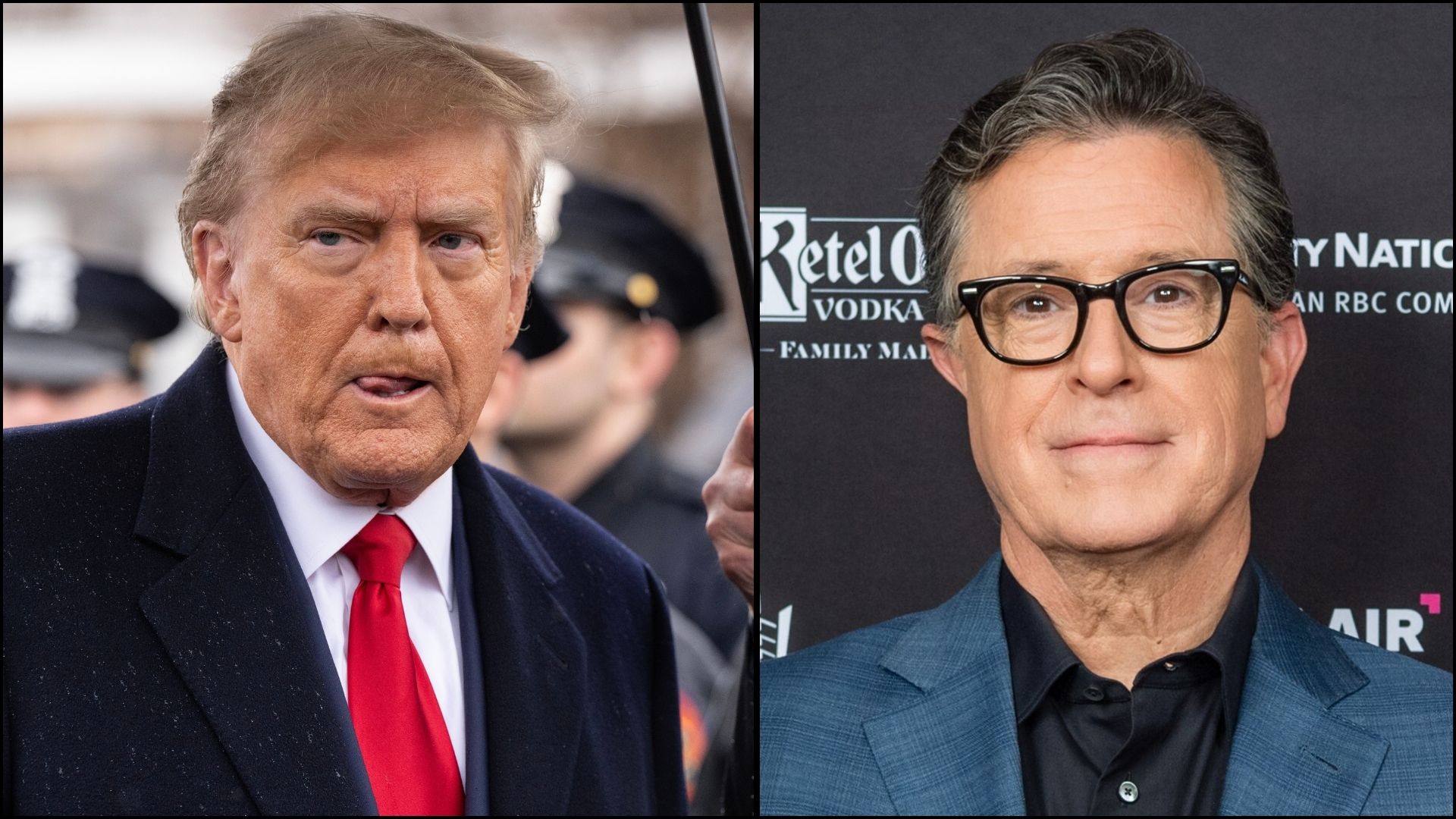
President Donald Trump sparked backlash after posting an AI-generated video depicting himself throwing Stephen Colbert into a dumpster following the comedian’s final Late Show episode. The clip showed Trump grabbing Colbert onstage, tossing him into a green trash bin, slamming the lid shut, and then dancing to the Village People’s “YMCA.” The White House’s official social media account later reposted the clip with the caption “Bye-bye.”
Trump’s post came just hours after CBS officially ended Colbert’s 11-year run as host of The Late Show. The President celebrated the cancellation on Truth Social, calling Colbert “a total jerk” and claiming the late-night host had “no talent, no ratings, no life.” Trump also predicted other late-night hosts critical of him would soon disappear from television as well.
The AI video quickly exploded online, racking up millions of views while dividing viewers. Trump supporters praised the clip as funny political trolling, while critics accused the President of using government-linked social media accounts to target media critics. Others argued the post added fuel to ongoing claims that Colbert’s cancellation was tied to political pressure surrounding Paramount’s merger dealings with Trump allies.
Colbert Fires Back Without Saying Much
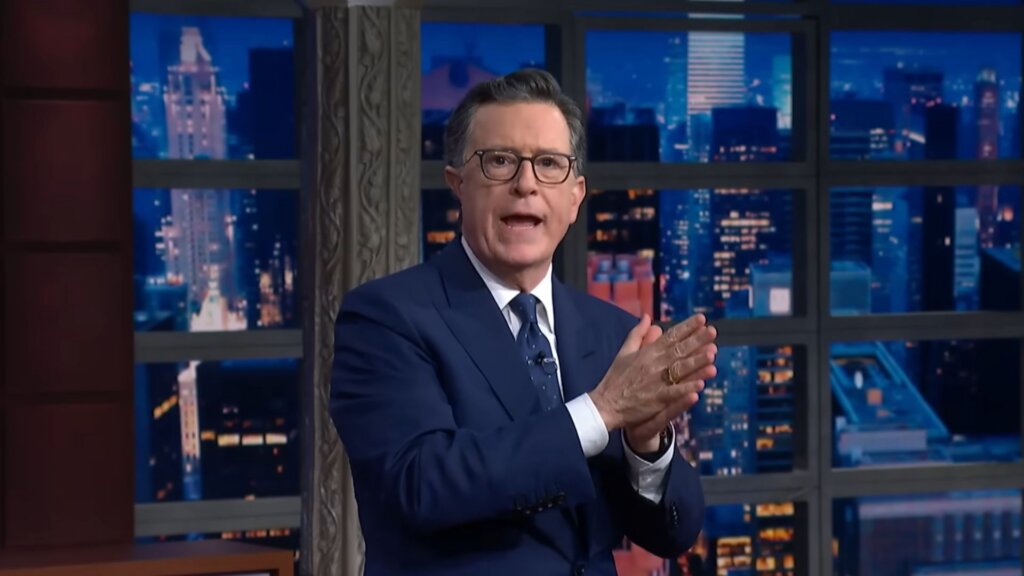
While Trump celebrated online, Colbert appeared largely unfazed after wrapping his final broadcast. Instead of publicly responding to the AI video directly, the comedian spent the evening celebrating with friends, coworkers, and celebrities at an afterparty following the finale taping. Videos circulating online showed Colbert dancing enthusiastically as guests played songs including House of Pain’s “Jump Around” and OutKast’s “Hey Ya!”
The following day, Colbert surprised fans again by appearing on a small public-access style television show in Monroe, Michigan alongside rocker Jack White. The appearance featured celebrity cameos from Jeff Daniels, Eminem, and Steve Buscemi, giving supporters the impression that Colbert had no plans to disappear quietly from entertainment.
During his final Late Show broadcast, Colbert largely avoided political jokes — a notable departure from the sharply anti-Trump tone that had defined much of his tenure. However, he still slipped in subtle digs at CBS and Paramount before signing off. His longtime criticism of Trump, combined with CBS parent company Paramount’s ongoing merger negotiations involving Trump allies, fueled speculation that politics may have influenced the show’s cancellation despite CBS insisting the decision was financial.
Trump’s Growing Use of AI Political Content
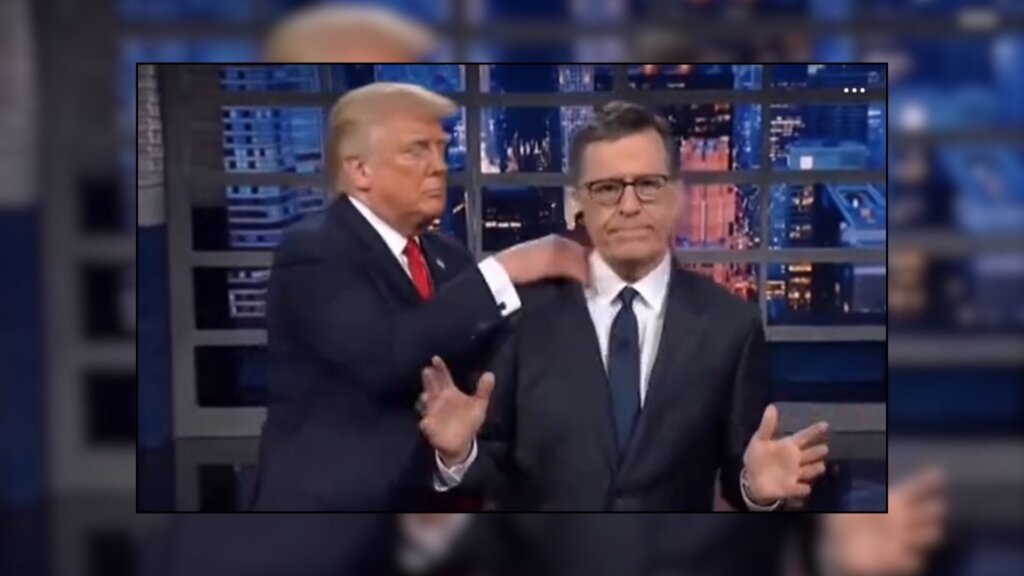
The Colbert video is only the latest example of Trump using AI-generated media to mock political opponents, critics, and celebrities online. Reports noted that Trump has increasingly shared artificial intelligence-generated memes, videos, and manipulated images through Truth Social and other platforms.
Previous AI posts tied to Trump have included digitally altered videos mocking protesters, fabricated images portraying political rivals in exaggerated ways, and controversial racist AI-generated content involving former President Barack Obama and Michelle Obama. One such video depicting the Obamas as apes was reportedly removed after backlash, though Trump later said he would not apologize for it.
Media analysts say the growing use of AI-generated political content raises concerns about misinformation, harassment, and the normalization of digitally manipulated propaganda in mainstream politics. Critics argue that when influential political figures share fabricated videos as entertainment or political messaging, the line between satire and disinformation becomes increasingly blurred. Supporters, however, view the posts as modern campaign-style trolling aimed at dominating online attention cycles.
Late-Night Television Faces an Uncertain Future
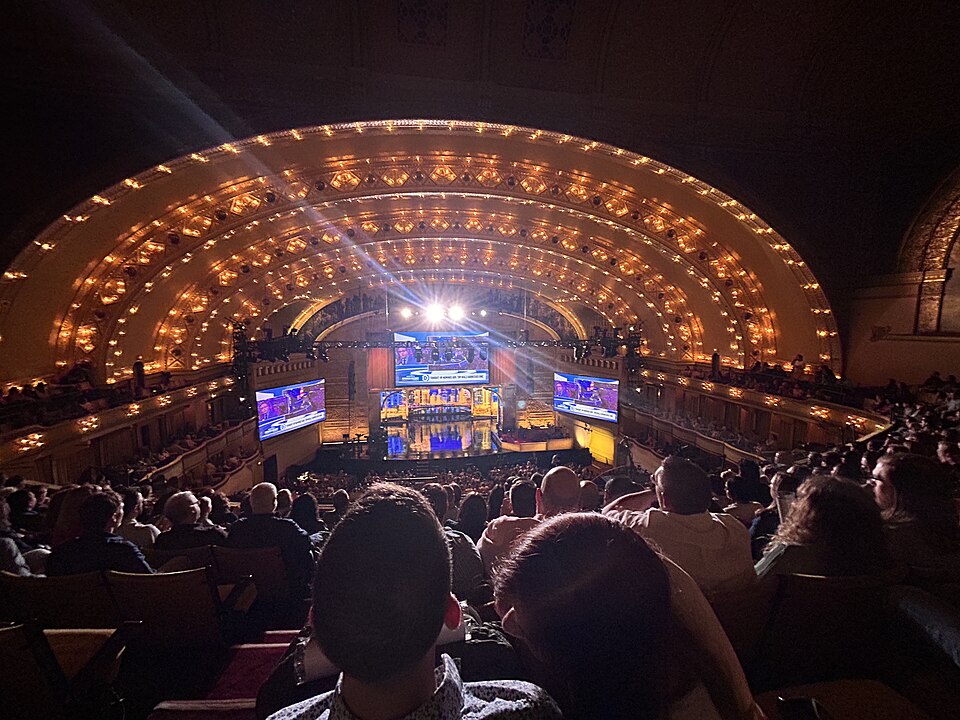
Colbert’s exit has also reignited debate over the future of late-night television itself. Trump celebrated the cancellation as “the beginning of the end” for other late-night hosts including Jimmy Kimmel, Jimmy Fallon, Seth Meyers, Jon Stewart, and John Oliver — many of whom frequently criticize him on air.
CBS has repeatedly maintained that The Late Show ended due to financial losses reportedly reaching tens of millions of dollars annually. But skepticism remains high because Paramount’s merger with Skydance required approval from the Trump administration at the same time Colbert openly mocked both Trump and Paramount executives on-air.
Despite the uncertainty surrounding late-night television, Colbert recently suggested he has no intention of stepping away from public life entirely. In interviews, he argued that comedians should never hold enough influence to threaten a presidency and dismissed the idea that Trump should spend time worrying about talk-show hosts. Whether audiences continue migrating away from traditional late-night TV or rally around outspoken hosts after Colbert’s departure may determine what the next era of political comedy looks like.