

Products are selected by our editors, we may earn commission from links on this page.
The Transportation Security Administration has confirmed that beginning February 1, 2026, U.S. air travelers who arrive at security checkpoints without a REAL ID-compliant form of identification will be charged a forty-five dollar fee to verify their identity before flying domestically. This change comes as part of TSA’s effort to fully enforce the REAL ID requirements that were delayed for many years before being rolled out broadly in 2025. Under the new policy, travelers without a REAL ID or another acceptable federal ID must use a program called TSA ConfirmID to prove their identity in order to continue through airport security.
What Is REAL ID and Why It Matters
The REAL ID program was established after the 9/11 Commission recommended stronger national identity standards for domestic travel and federal access, and it sets higher verification requirements for state-issued identification cards. A REAL ID-compliant driver’s license or state ID typically has a star symbol on the card and requires additional documentation to obtain at the Department of Motor Vehicles. The TSA now views REAL ID or other federally accepted forms of identification as the baseline for domestic flights, and those without them face a new procedural cost.
How the $45 Confirm ID Fee Works
Travelers without a REAL ID or other acceptable ID can pay the forty-five dollar fee through TSA’s ConfirmID system, which can be completed online ahead of time or at the airport before reaching the security line. The fee covers a ten-day period of identity verification, meaning it can apply to both departure and return flights within that window. Once payment is made, travelers receive a receipt that they present at security along with their identification, and they must also provide additional details such as name, date of birth, and address to complete the verification process.
Accepted Forms of Identification

In addition to REAL ID-compliant state licenses, the TSA accepts other forms of identification that do not trigger the fee, such as U.S. passports, passport cards, Department of Homeland Security trusted traveler cards, military IDs, and certain tribal photo IDs. Enhanced driver’s licenses, enhanced tribal cards, and some digital IDs stored in mobile wallets are also considered acceptable for domestic travel. If travelers arrive with one of these accepted IDs, they do not need to use ConfirmID or pay the forty-five dollar charge.
Why TSA Is Charging the Fee

TSA officials say the fee helps offset the administrative and technology costs associated with verifying the identities of passengers who do not have a REAL ID, shifting those costs to the individual traveler rather than the broader taxpayer base. The agency noted that ConfirmID involves additional steps and resources compared with standard ID screening, and that enforcing compliance for the small percentage of travelers without proper ID supports broader security objectives. With more than ninety-four percent of passengers already using compliant identification, the fee targets the remaining group who have not updated their licenses or chosen alternative accepted documents.
Timeline and Implementation
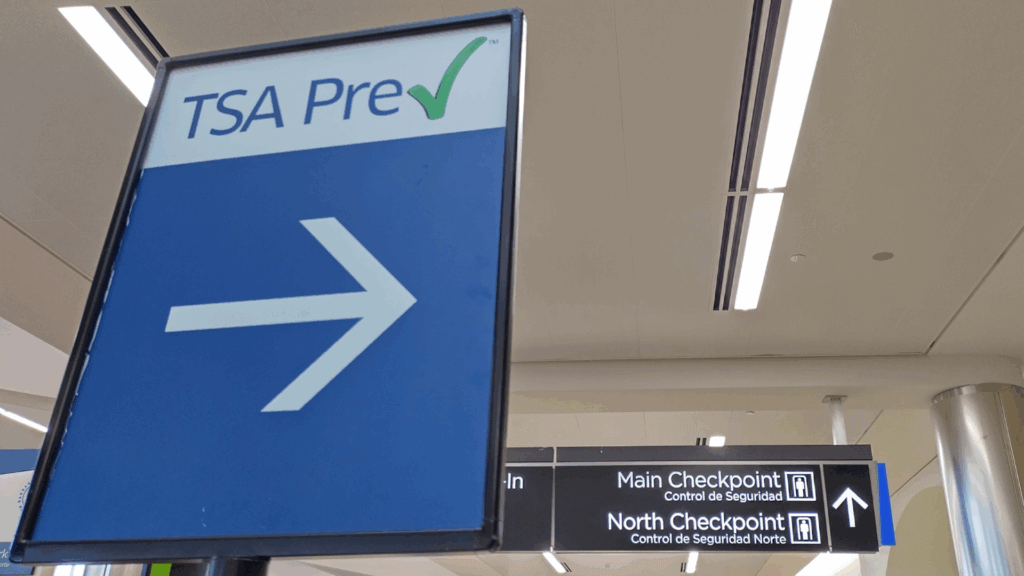
The new fee policy officially goes into effect on February 1, 2026, after a long rollout period for REAL ID enforcement that began in May 2025 and followed years of delays from its original planned start. Travelers heading to the airport prior to that date may still encounter transitional processes, but after February first, paying for ConfirmID without a REAL ID becomes a standard part of the security screening procedure for those lacking compliant identification. In many airports, signage and staff guidance will help passengers understand how to pay and proceed with verification.
What Travelers Are Saying

Some travelers have expressed frustration or confusion about the new fee on social media and forums, with debates emerging about whether the cost is a penalty or a necessary security measure. Passengers have commented that while the fee is avoidable by obtaining a REAL ID or using a passport, it may catch some travelers by surprise if they are unaware of the updated requirement. Others have highlighted that the fee applies per travel period and is nonrefundable, meaning the cost can add up for those who fly often without compliant identification.
How to Avoid the Fee

The clearest way to avoid paying the forty-five dollar ConfirmID fee is to obtain a REAL ID before traveling, which requires visiting a local DMV and providing the necessary documentation regarding identity and residency. Travelers can also use a U.S. passport, trusted traveler card, or other accepted federal identification to bypass the fee entirely. Planning ahead and checking ID requirements before booking a flight can save time and money, particularly for those who travel frequently.
Potential Delays and Checkpoint Experience

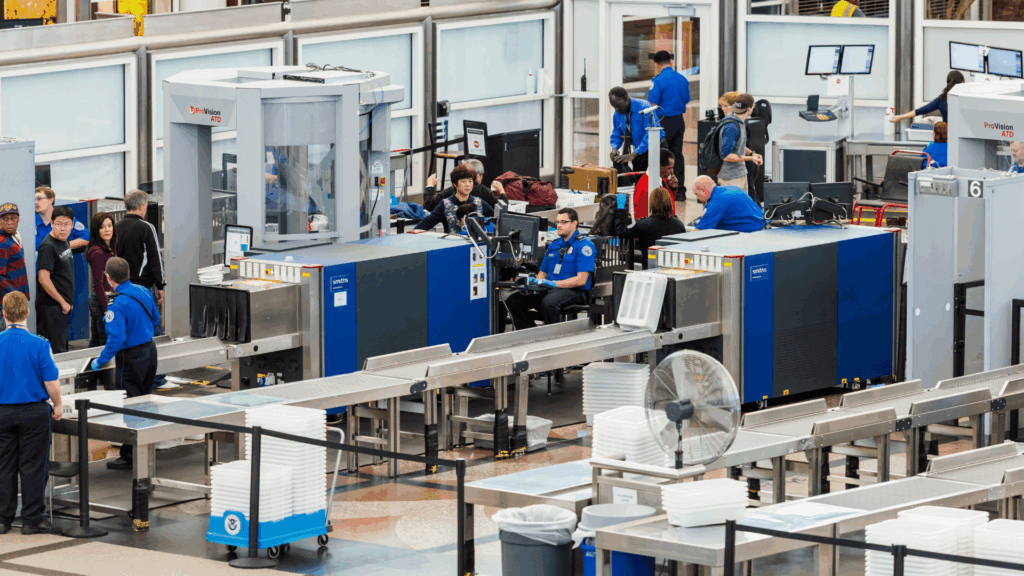
Passengers who arrive at the airport without paying for ConfirmID in advance could face longer wait times, as they will be directed to complete the identity verification process before entering the main security queue. The TSA has advised travelers to give themselves extra time if they anticipate needing to use ConfirmID, noting that the process may take fifteen minutes or more depending on checkpoint volume and verification steps. Even after paying the fee, identity verification is not guaranteed, and travelers whose information cannot be confirmed may be denied entry past the checkpoint.
Transportation Security Administration’s New Policy
In conclusion, the Transportation Security Administration’s new policy requiring travelers without a REAL ID or other accepted form of identification to pay a forty-five dollar fee for identity verification reflects both evolving security standards and efforts to encourage compliance with federal ID rules. While most U.S. passengers already carry compliant IDs, those who do not now face an additional cost and procedural step before flying domestically. Planning ahead, updating identification documents, and understanding acceptable ID options can help travelers avoid the fee and move more smoothly through airport security.