

Products are selected by our editors, we may earn commission from links on this page.
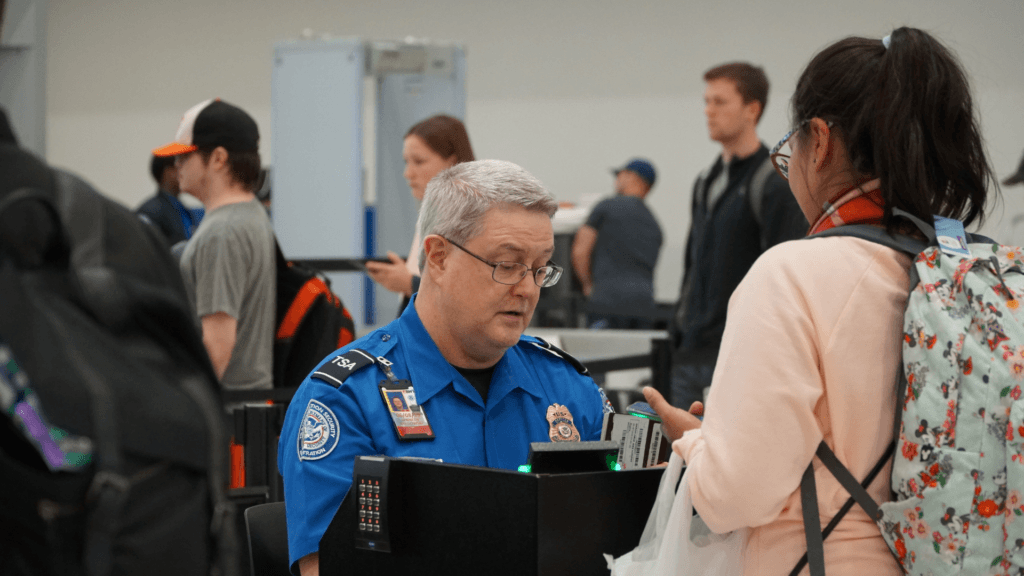
Air travel across the United States is facing growing disruption as officials warn that rising call-out rates among Transportation Security Administration (TSA) officers could lead to severe consequences, including potential airport shutdowns. The warning comes amid an ongoing government funding impasse that has left tens of thousands of TSA workers reporting to duty without pay, creating mounting strain across the system.
According to TSA leadership, absentee rates have surged well beyond normal levels, with more than 10% of officers calling out nationwide on some days. At certain major airports, those numbers have climbed dramatically higher, exceeding 30% or more. This has already forced some security checkpoints to close and caused wait times to stretch to hours, especially during peak travel periods.
Officials say the situation could worsen if the funding stalemate continues. Acting Deputy TSA Administrator Adam Stahl described the situation as “serious,” warning that if call-out rates continue to climb, there may be scenarios where entire airports are forced to shut down, particularly smaller ones with limited staffing capacity.
Why TSA Staffing Is Reaching a Breaking Point
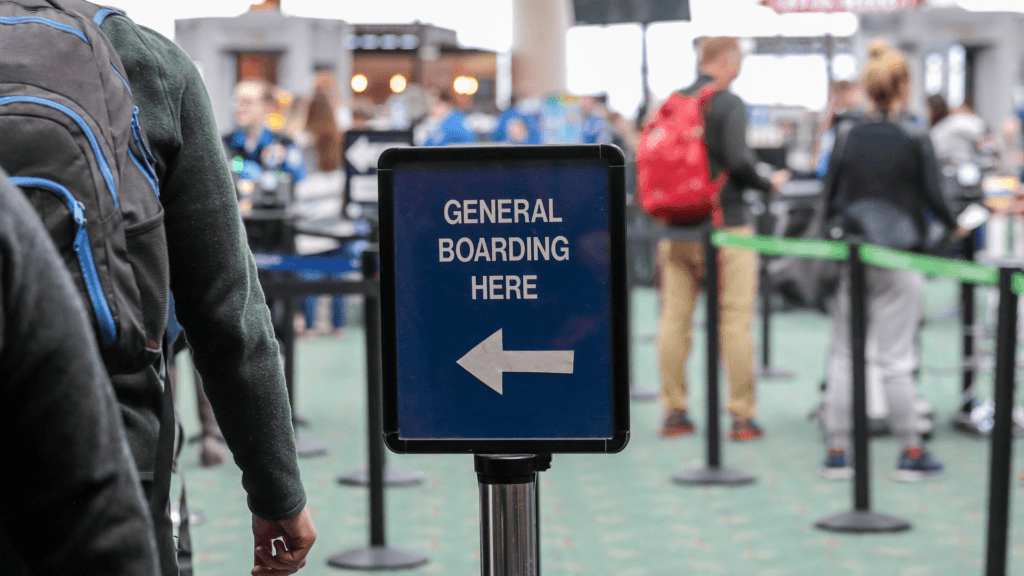
The core issue driving the crisis is the ongoing government shutdown affecting the Department of Homeland Security. Roughly 50,000 TSA officers have been working without pay for weeks, leading to financial strain and declining morale. Many workers are struggling to cover basic expenses, and hundreds have already left their positions entirely, further reducing staffing levels.
As more officers call out or quit, airports are left with fewer personnel to operate screening lanes. This creates a cascading effect: fewer open checkpoints lead to longer lines, which in turn puts more pressure on remaining staff. In some cases, entire checkpoints have already been shut down due to insufficient staffing, particularly at busy travel hubs.
Experts say smaller airports are especially vulnerable because they often rely on a limited number of officers to keep operations running. If even a small portion of staff call out, those airports may not be able to function at all, increasing the likelihood of temporary closures if the situation continues to deteriorate.
What Travelers Are Experiencing Right Now
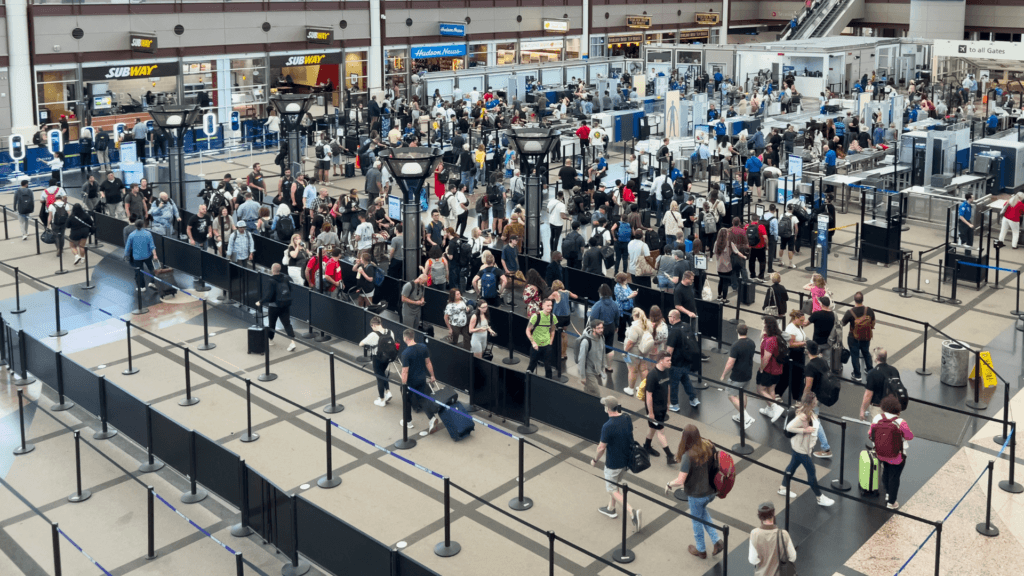
Passengers are already feeling the effects of the staffing shortages. Reports from airports across the country show wait times exceeding two hours, with some travelers missing flights despite arriving early. Long lines, closed checkpoints, and inconsistent wait times have become increasingly common as staffing levels fluctuate day by day.
The unpredictability is one of the biggest challenges. Because staffing depends on how many officers show up each day, travelers often have no reliable way to estimate how long security will take. This has led to widespread frustration, especially during busy travel periods like spring break, when passenger volumes are already high.
Airlines and airport officials are urging passengers to arrive much earlier than usual and prepare for delays. Some travelers are being advised to allow several extra hours before departure, as conditions can change rapidly depending on staffing levels and checkpoint availability.
A Growing Crisis With No Immediate Fix

The TSA warning highlights a growing crisis within the nation’s travel infrastructure. What began as a funding dispute has now evolved into a situation that could disrupt air travel on a much larger scale, especially if staffing shortages continue to worsen.
While full airport shutdowns are not yet widespread, officials say the risk is real, particularly for smaller airports that lack the flexibility to operate with reduced staff. Without a resolution to the funding issue, experts warn that disruptions could intensify in the coming weeks.
For now, travelers are being urged to stay informed, plan ahead, and expect delays. Until staffing levels stabilize, the uncertainty surrounding airport security operations is likely to remain a major challenge for millions of passengers nationwide.