


Products are selected by our editors, we may earn commission from links on this page.

An unlicensed rideshare company is facing mounting scrutiny after New York City officials alleged it has been avoiding congestion pricing charges and other required fees that help fund the Metropolitan Transportation Authority (MTA). City leaders claim the company’s business model allows it to undercut licensed competitors while potentially depriving public transit of tens of millions of dollars in annual revenue. The allegations have prompted calls for a formal investigation and stronger enforcement.
Officials Say Empower Is Operating Outside NYC Rules
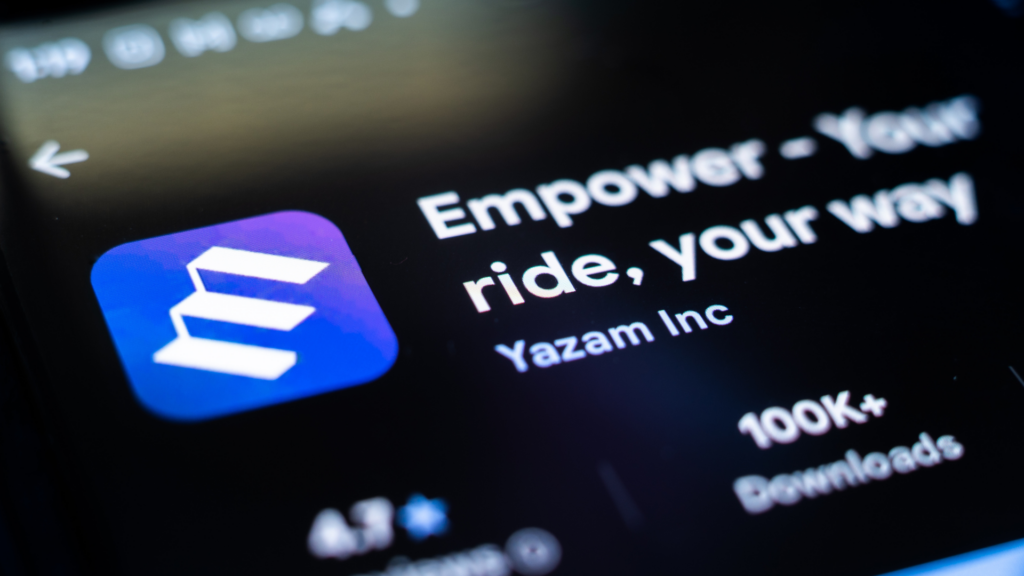
The company at the center of the dispute is Empower, which operates in New York City without a license from the Taxi and Limousine Commission (TLC). City officials argue that although Empower functions similarly to traditional rideshare services, it has not enrolled in programs requiring licensed operators to collect congestion pricing and other transportation surcharges from passengers. Empower disputes that characterization and says it operates as a software marketplace connecting independent drivers with riders.
Congestion Pricing Helps Fund Public Transit
New York City’s Congestion Relief Zone charges vehicles entering much of Manhattan south of 61st Street. Revenue generated by the toll program supports improvements to the subway, bus, and commuter rail systems operated by the MTA while also aiming to reduce traffic congestion and improve air quality. Licensed taxis and for-hire vehicles are generally required to collect applicable congestion-related charges from passengers.
Millions of Dollars Could Be at Stake

According to City Council Democratic Majority Leader Shaun Abreu, Empower may be completing as many as one million trips each month in New York City. If those rides are not collecting the required congestion-related fees, officials estimate the missing revenue could total tens of millions of dollars annually. Abreu has asked the MTA to determine how much revenue may have gone uncollected and whether it can be recovered.
City Leaders Say Lower Prices Create an Uneven Playing Field
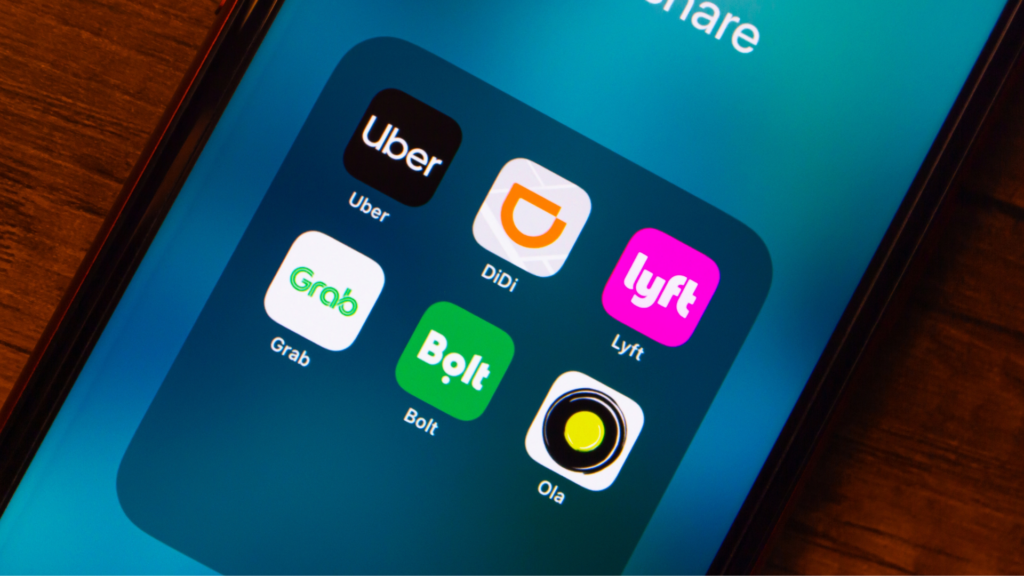
Officials argue that avoiding congestion-related charges allows Empower to advertise lower fares than competitors such as Uber, Lyft, and licensed taxi operators that follow existing regulations. Critics say this gives the company an unfair competitive advantage while placing licensed transportation providers at a financial disadvantage. They contend that every company serving riders should be subject to the same rules.
Empower Rejects the Allegations

Empower denies intentionally avoiding required fees and says it has repeatedly offered to work with city officials to facilitate payment of applicable taxes and congestion charges. Company representatives maintain that drivers using the platform operate independently, set their own prices, and pay a subscription fee to use the software. Empower also says city officials declined previous proposals regarding fee collection.
The Company Is Already Facing Legal Action
New York City has already filed a lawsuit alleging that Empower operates like a traditional rideshare company while avoiding licensing requirements and associated regulatory costs. City attorneys argue the company performs many of the same functions as licensed transportation providers, including matching riders with drivers and processing payments. The legal dispute is expected to play an important role in determining how similar platforms are regulated in the future.
Regulators Are Watching Similar Cases Elsewhere
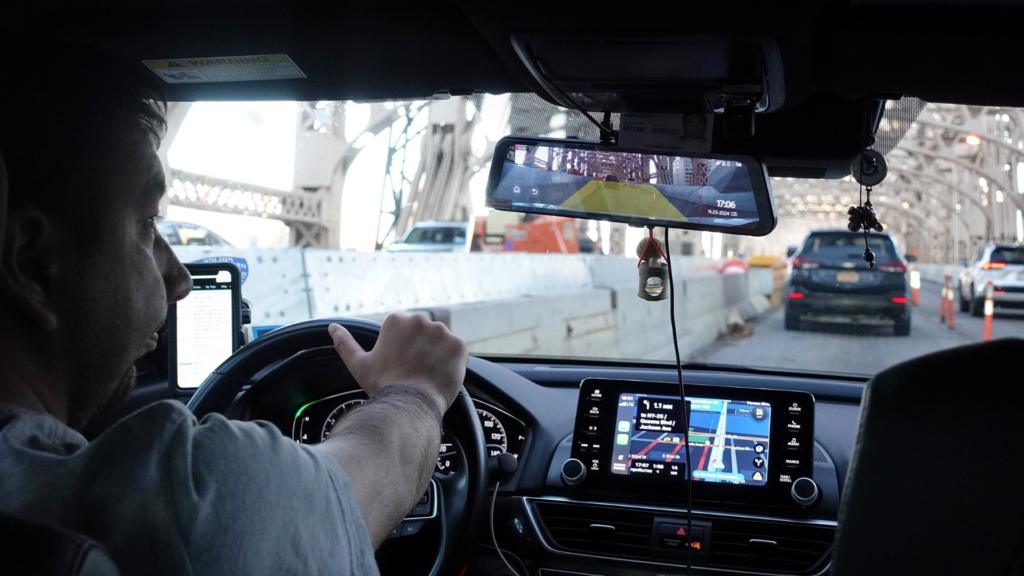
Empower has also faced legal challenges outside New York. In Washington, D.C., courts previously ordered the company to stop operating paid rides after regulators said it failed to register as a for-hire transportation provider. The company continues to contest those rulings while defending its business model.
The Outcome Could Influence Future Rideshare Regulation
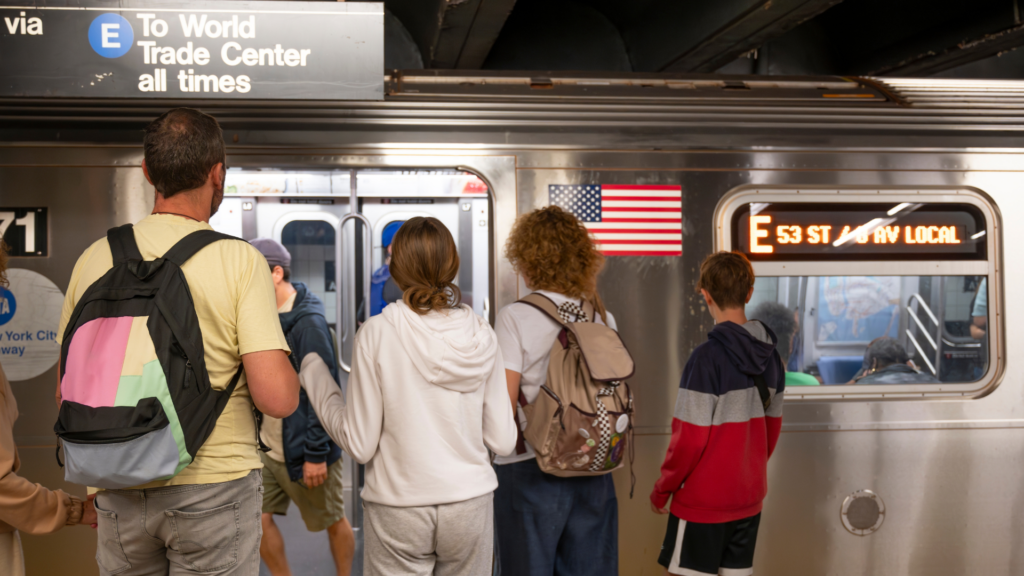
Transportation experts say the dispute highlights broader questions about how emerging transportation platforms should be regulated. As cities adopt congestion pricing and new funding mechanisms for public transit, regulators may face increasing pressure to ensure that all companies providing similar services contribute under the same framework. The outcome of the investigations and legal proceedings could shape future oversight of rideshare businesses.
The Dispute Highlights the Challenges of Regulating New Transportation Models
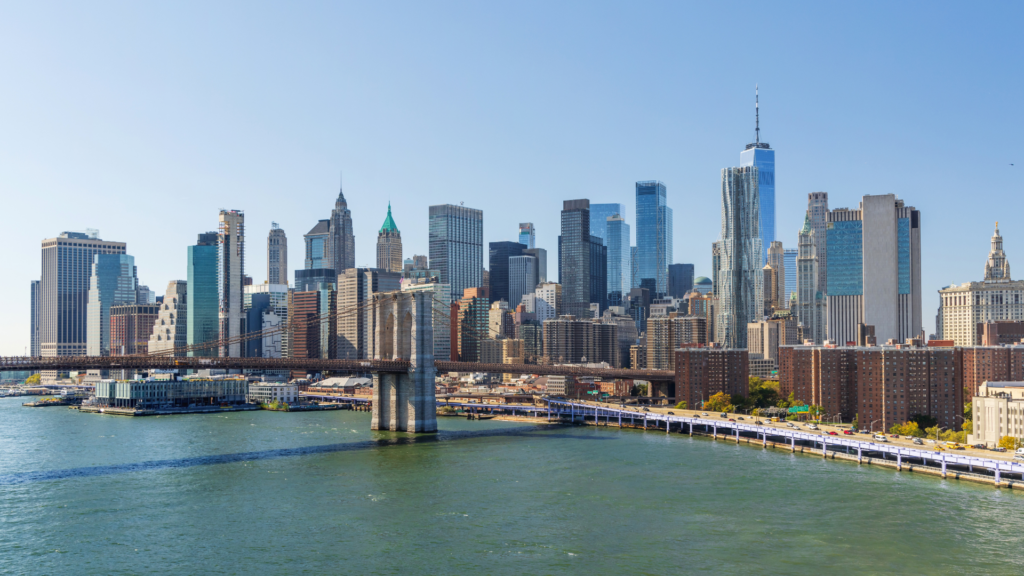
The allegations against Empower have sparked a broader debate over fairness, public transit funding, and the regulation of app-based transportation services. City officials argue that every company operating in New York should contribute equally to congestion pricing and other transportation fees, while Empower insists its marketplace model is being misunderstood. As investigations and legal challenges continue, the case could have lasting implications for rideshare regulation and the future of congestion pricing in New York City.