


Products are selected by our editors, we may earn commission from links on this page.

Families packing lunches and buying school supplies now have one more item on the list. The FDA has approved updated COVID-19 vaccines for the 2026-2027 season, timed to a fall and winter surge experts have been tracking for months. The shots target a variant that has already taken over the vast majority of U.S. cases.
Why the Formula Changes Every Year

COVID-19 behaves like the flu virus in one key way, according to Dr. William Schaffner, professor of preventive medicine at Vanderbilt University Medical Center. “The COVID virus mutates; it changes notably over time,” he told ABC News, explaining that vaccine makers try to match the shot to whatever strain is expected to dominate through the winter months.
The Variant Driving Nearly 80 Percent of Cases

The newly approved vaccines target XFG, a recombinant omicron subvariant nicknamed “Stratus,” formed from two earlier omicron strains merging together. XFG has spread fast. It’s now linked to an estimated 79% of U.S. COVID-19 cases, according to the CDC’s most recent data, far outpacing the previously dominant NB.1.8.1 strain, known as “Nimbus.”
Three Companies, Three Versions of the Same Shot
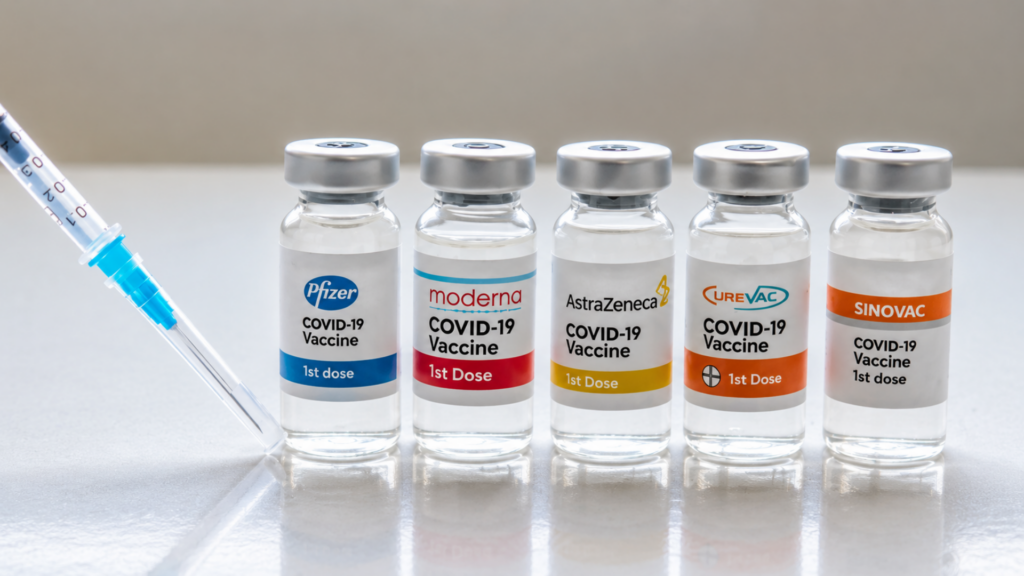
Moderna and Pfizer-BioNTech both received approval for updated mRNA vaccines, Spikevax and mNexspike from Moderna, Comirnaty from Pfizer. Novavax, partnered with Sanofi, also got the green light for a protein-based option, a technology platform that’s been used in vaccines for decades and typically takes longer to manufacture than the mRNA alternatives.
Not Everyone Qualifies for a Shot This Season
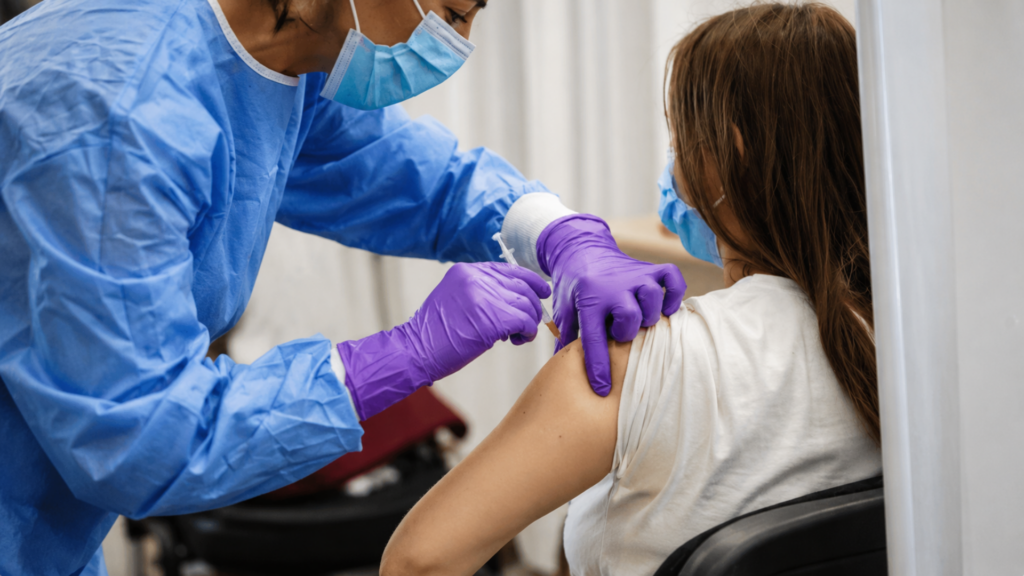
Eligibility isn’t universal. Moderna’s vaccine covers people 6 months through 64 years old who have an underlying health condition, plus all adults 65 and older. Pfizer’s version follows a similar pattern starting at age 5. Novavax’s shot is approved for those 12 through 64 with a qualifying condition, along with everyone 65 and up.
The Health Conditions That Open Up Eligibility

The CDC’s list of qualifying conditions is broader than many people expect. Cancer, asthma, chronic lung disease, diabetes, heart conditions, mental health conditions, and pregnancy all count toward eligibility for those under 65. Dr. Schaffner noted the vaccines are primarily built to prevent severe outcomes: “They work best at keeping us out of the hospital and intensive care unit.”
Doses Are Landing at Pharmacies Within Days

Updated vaccines are expected to reach pharmacies, hospitals, and clinics nationwide within days of approval. Anyone eligible can also pair the shot with a flu vaccine or RSV vaccine in the same visit, either in separate arms or the same arm spaced apart. Schaffner cautioned against pushing it off too long: “A vaccine postponed may be a vaccine never received.”
Whether the Shot Will Cost You Is Still Unclear
The CDC’s Bridge Access Program, which once covered free vaccines for uninsured adults, ended in August 2024, and it’s unclear whether state or local health departments will fill that gap this season. Most insurers, including Medicare Part B and Medicaid, are expected to cover the shot at no cost, though nothing is guaranteed yet.
A Legal Fight Is Clouding Insurance Coverage

Insurance coverage typically hinges on a CDC advisory panel’s recommendation following FDA approval. That process hit a snag earlier this year when a federal judge stayed Health Secretary Robert F. Kennedy Jr.’s appointments to the panel. Dr. Peter Chin-Hong of UCSF called the coverage question a matter of self-interest for insurers, since preventing severe illness saves them money long-term.
Four Groups Doctors Say Shouldn’t Skip This Shot
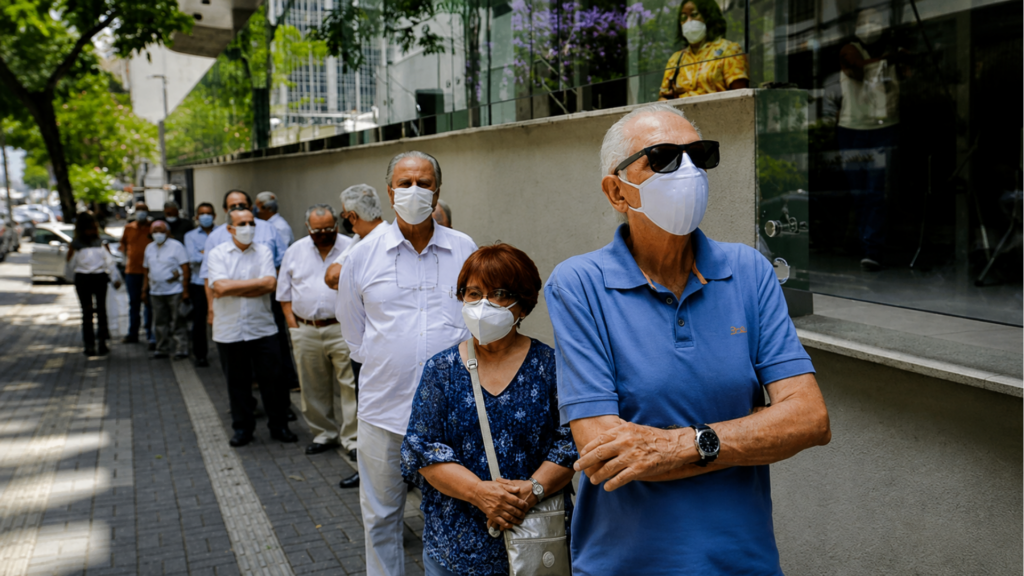
More than 1.2 million Americans have died from COVID-19 since the pandemic began, and immunity from past shots or infections fades over time. Chin-Hong pointed to four groups facing the highest stakes: adults 65 and older, the severely immunocompromised, pregnant women, and children between 6 and 23 months. “It’s really important that we not lose sight of those four populations,” he said.