

Products are selected by our editors, we may earn commission from links on this page.
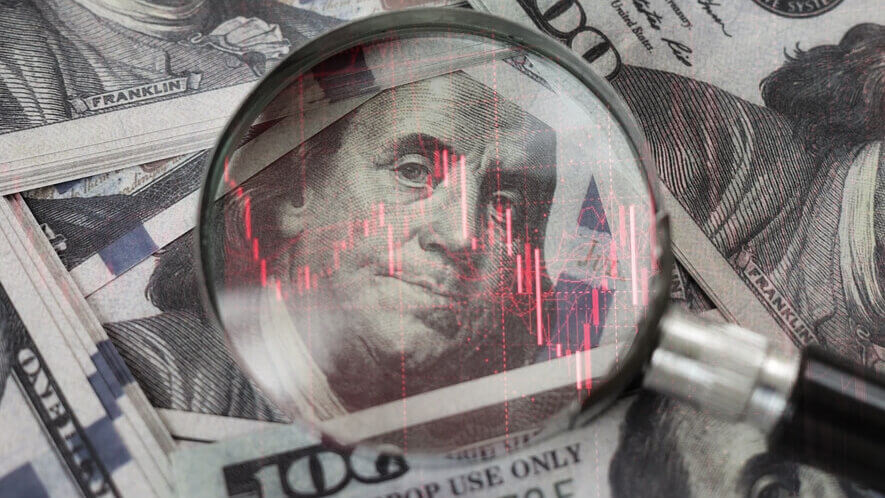
The U.S. dollar has fallen to its lowest level in four years, marking a sharp shift for a currency that has long been seen as a global safe haven. The slide comes as investors react to rising geopolitical tensions, renewed trade threats, and growing uncertainty around U.S. economic policy.
The latest decline accelerated after President Donald Trump dismissed concerns about the dollar’s weakness during remarks in Iowa, telling reporters he thought the currency was “doing great.” Reuters reported that the comments added pressure to an already fragile market, signaling to investors that the administration may be comfortable with a weaker dollar.
Since then, selling has intensified. The U.S. Dollar Index, which measures the currency against six major peers, has dropped to levels last seen in early 2022, extending a slide that has been building for months.
What’s Happening to the Dollar Right Now
The dollar’s decline reflects a broader pullback from U.S. assets. Over the past year, the currency has lost more than 10% of its value, and its recent drop marked the largest one-day fall since last spring, when sweeping tariff announcements triggered a global market sell-off.
As the dollar weakens, other assets are gaining ground. The euro has climbed above $1.20, the Swiss franc has surged to multi-year highs, and gold has continued its rally, reaching new record levels as investors seek safety amid political and economic uncertainty.
These moves suggest a shift in confidence. When investors sell the dollar, they are often reassessing their exposure to U.S. stocks and government debt at the same time, not just making a short-term currency trade.
Why Geopolitics and Policy are Driving the Slide
A major factor behind the dollar’s weakness is rising geopolitical tension. Recent tariff threats aimed at European allies, including disputes tied to Greenland, have revived what traders refer to as a “Sell America” trade, where U.S. equities, Treasuries, and the dollar all fall together.
Bloomberg reported that traders are increasingly hedging against further volatility, pushing the cost of currency protection to its highest level in months. Alex Cohen, a strategist at Bank of America, warned that escalating tensions with Europe could pose “further downside risks for the dollar,” particularly as they encourage stronger defense spending and financial independence abroad.
At the same time, concerns about U.S. economic leadership are resurfacing. Ongoing pressure on the Federal Reserve to cut interest rates, along with uncertainty over future leadership at the central bank, has raised questions about its independence—an issue that tends to unsettle markets quickly.
What a Weaker Dollar Means Going Forward

A weaker dollar can have mixed effects. For large U.S. companies with significant overseas sales, it can boost earnings when foreign revenue is converted back into dollars. That’s one reason some investors have been cautious rather than alarmed.
But there are clear downsides. A falling dollar makes imported goods more expensive, which can add inflationary pressure at home. It may also accelerate longer-term efforts by other countries to reduce reliance on the U.S. currency for trade and reserves.
For now, markets remain focused on Washington. Whether geopolitical tensions ease or escalate further will play a key role in determining whether the dollar stabilizes or continues to slide. What’s clear is that the move to a four-year low reflects more than a single comment or policy shift; it signals growing uncertainty about the direction of the U.S. economy and its place in the global financial system.