


Products are selected by our editors, we may earn commission from links on this page.

The U.S. government has declassified thousands of documents on Amelia Earhart’s disappearance, offering unprecedented access to radio logs, search reports, and intelligence files. The release marks the most expansive public disclosure yet, shedding new light on her final communications and the massive search effort that followed. While the new material enriches historical context, experts caution that it may deepen the intrigue more than it resolves it.
A Long-Awaited Release
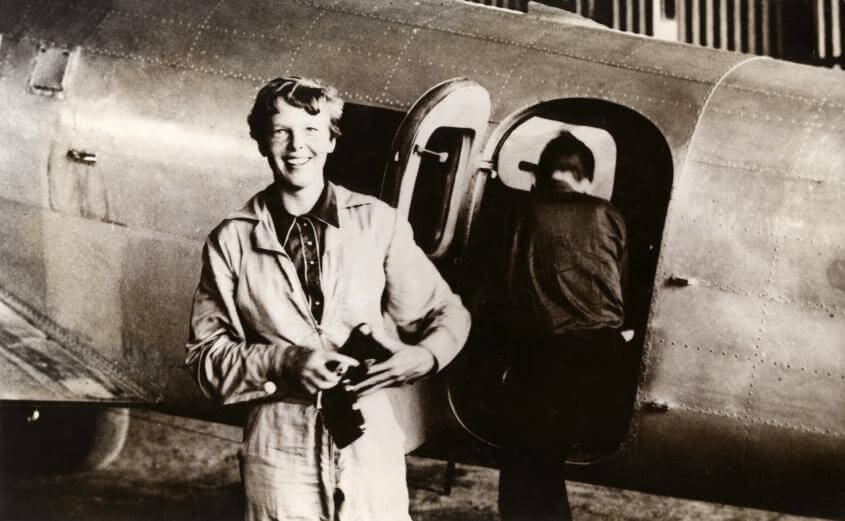
The National Archives published the first batch of newly unsealed files on November 14, with more coming on a rolling basis. The documents span intelligence agencies, military branches, and federal departments involved in Earhart’s 1937 flight. Officials say the release fulfills an executive directive to make all government records related to the case public.
What the Files Contain

The archive includes more than 4,600 pages of material: radio logs, weather data, search maps, performance charts, and early investigative memos. Also present are decades of press clippings that reflect how theories evolved over time. Together, the documents provide a textured view of what federal officials knew and suspected at various stages.
Earhart’s Final Transmissions

Among the most scrutinized records is a radio log from the Coast Guard cutter Itasca, which monitored Earhart’s approach to Howland Island. The log repeatedly notes “Earhart Unheard,” but at 8:43 a.m. on July 2, 1937, it captured her final message: “We are on the line 157 337 wl rept msg we wl rept…” The timing aligns with earlier accounts of her plane’s last known position.
How the Search Unfolded
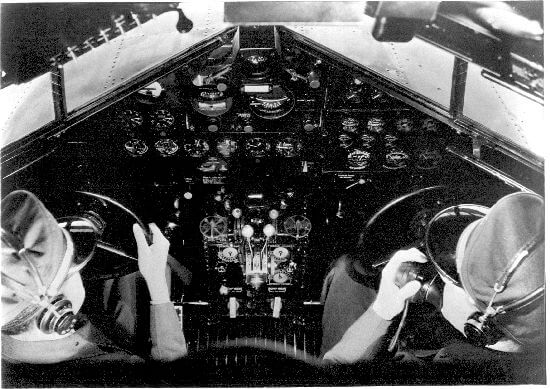
The newly available Navy report details a 16-day search spanning nearly 250,000 square miles of the Pacific. Aircraft and ships fanned out across four potential landing areas, noting disturbances, debris, and possible fire marks. Despite extensive coverage, the search teams found no confirmed trace of the Lockheed Electra.
Clues That Sparked Decades of Theories
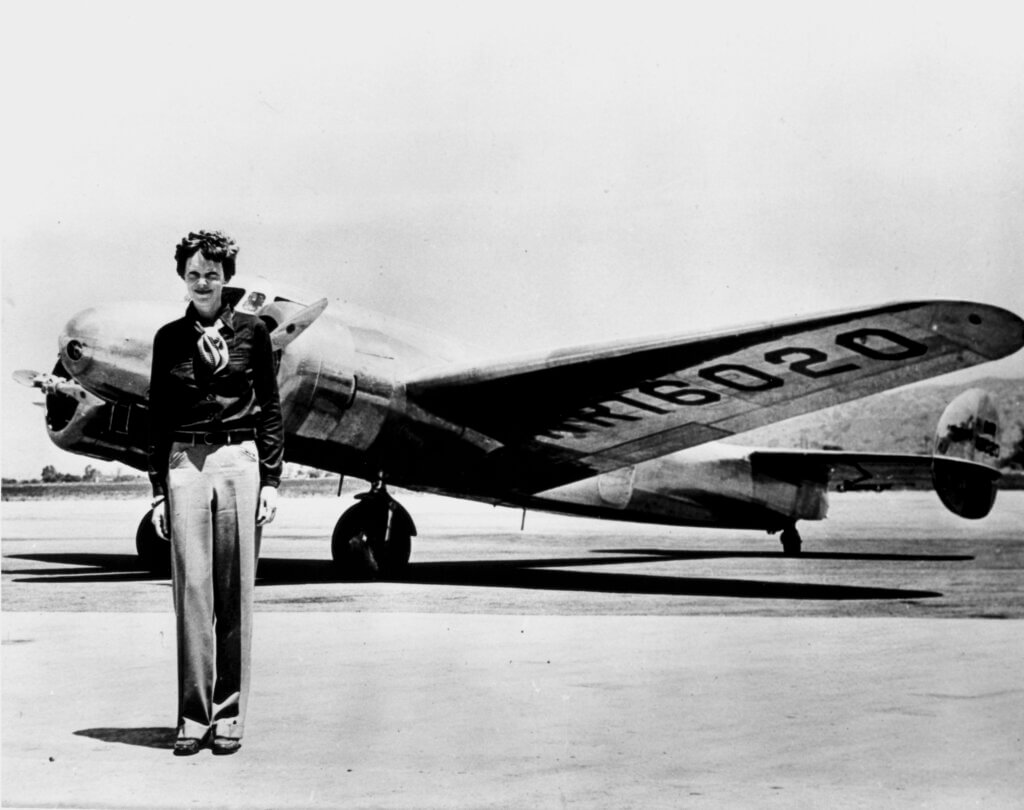
Some files revisit long-debated claims, including a 1960 newspaper report describing an alleged gravesite on Saipan and a 1970 account of a distress call reportedly received by Pan Am. These clippings show how quickly speculation spread, even in the absence of firm evidence. Researchers say such accounts shaped public curiosity more than official conclusions.
New Fuel Calculations Shift the Timeline
One of the most striking technical details comes from recalculated fuel endurance charts in the Navy report. The updated estimate extends Earhart’s possible flight time by 40 minutes beyond earlier Coast Guard projections. This adjustment suggests she may have passed Howland Island, though no debris has ever confirmed that possibility.
Renewed Interest in the Nikumaroro Theory
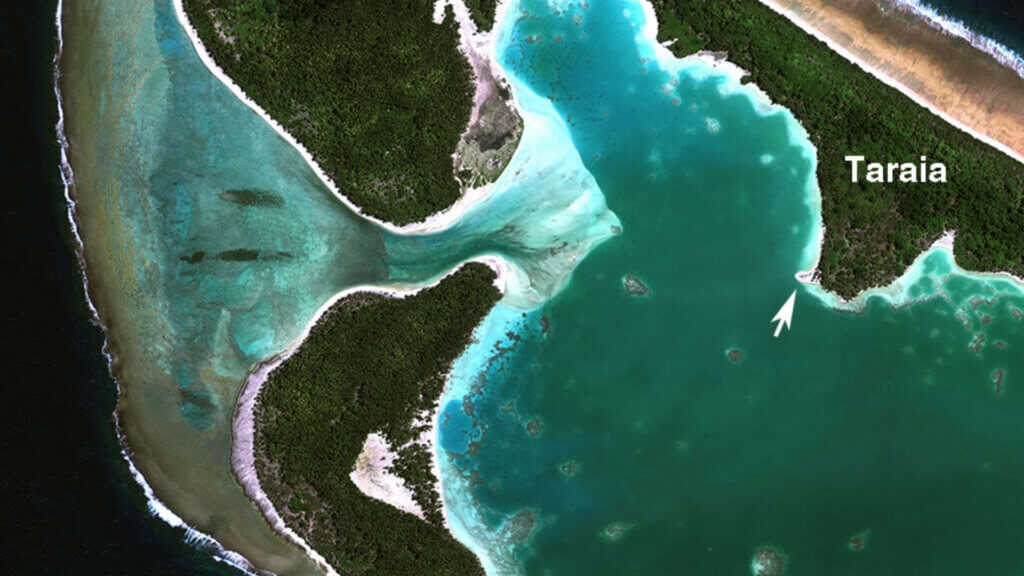
The files’ release coincides with renewed efforts to investigate the Taraia Object, a shape visible in lagoon imagery dating back to 1938 on Nikumaroro Island. Several researchers argue the anomaly could be aircraft debris; however, previous surveys found nothing at the site. A new expedition, now postponed to 2026, plans to use sonar and magnetometers to re-examine the location.
Expectations and Expert Caution

Despite the public excitement, historians note that the newly declassified material largely supports the prevailing theory of fuel exhaustion near Howland Island. Many documents had been previously accessible to researchers, though not in this consolidated form. While the files offer more detail, they stop short of revealing definitive answers.
A Mystery That Endures

Earhart’s disappearance continues to inspire expeditions, books, documentaries, and international debate. The fresh release underscores both the government’s ongoing transparency efforts and the enduring fascination with her final flight. For now, the world has more information than ever, but the central question remains unsolved.