

Products are selected by our editors, we may earn commission from links on this page.

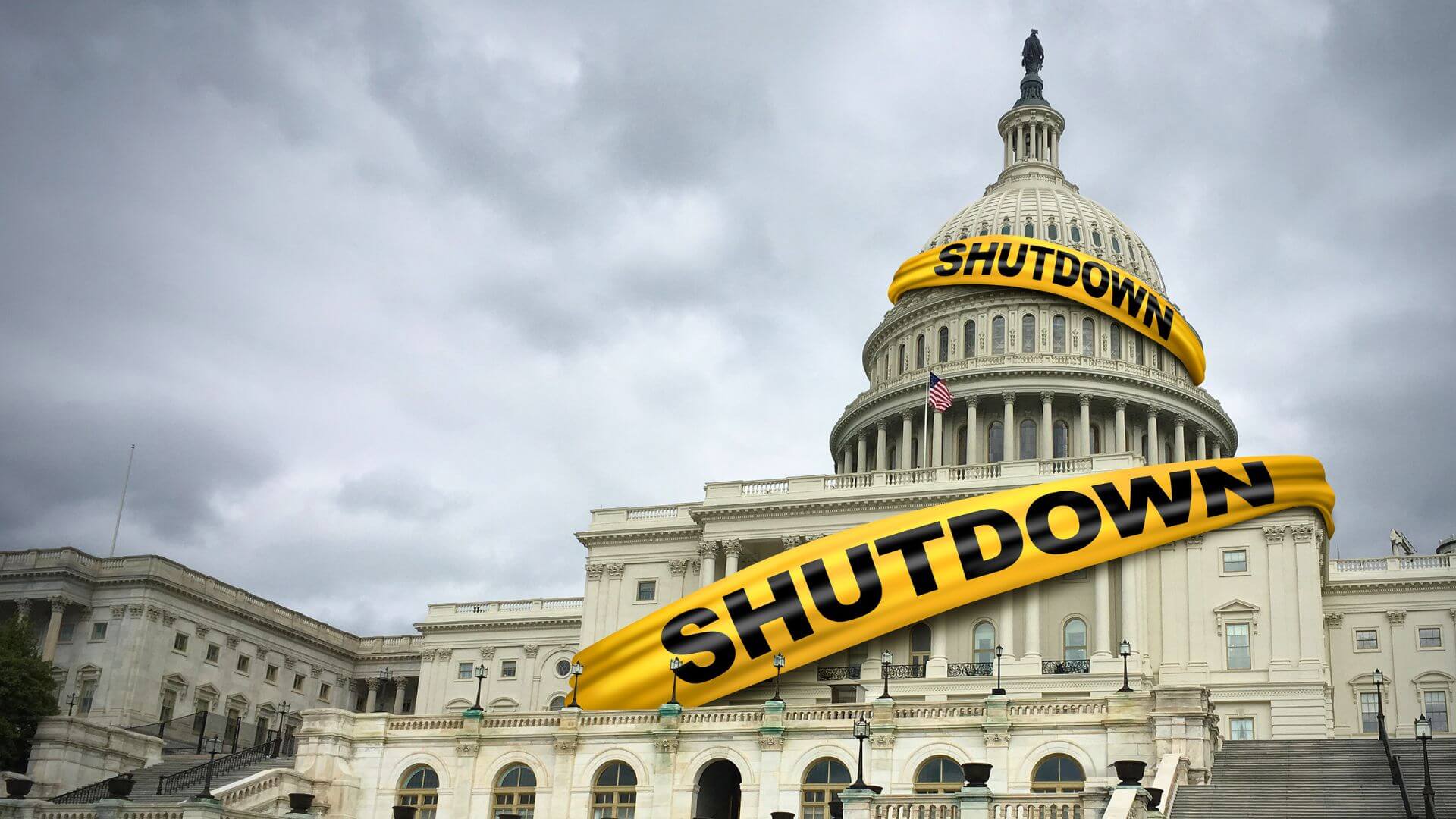
The U.S. government has entered yet another shutdown, leaving hundreds of thousands of workers without pay and essential services at a standstill. Weeks into the impasse, the sense of déjà vu is hard to ignore, and this time, the political gridlock shows no sign of breaking.
Life Without a Paycheck

Federal workers across the country are feeling the strain. From furloughed park rangers to unpaid airport screeners, the shutdown’s impact has stretched from Washington to small towns reliant on federal payrolls. Many workers are now dipping into savings or turning to food banks as uncertainty grows.
Services Stalled, Communities Struggle

From national parks to passport offices, the shutdown has disrupted services Americans depend on. Local economies near military bases and government offices are taking a hit as small businesses lose regular customers and tourism drops off.
The Budget Battle at the Center of the Crisis

The shutdown stems from a bitter standoff between congressional Republicans and Democrats over federal spending and healthcare subsidies. While the House passed a seven-week continuing resolution to extend funding, the Senate has blocked the measure multiple times, demanding broader negotiations over fiscal priorities.
Tempers Flare on Capitol Hill
Tensions have reached a boiling point. Reports describe heated exchanges between lawmakers as both sides trade blame for the impasse. Senate Majority Leader John Thune has urged Democrats to reopen the government before tackling long-term spending, while Minority Leader Chuck Schumer accuses Republicans of “prolonging the pain” for political gain.
The Human Toll and National Security Concerns

While Congress remains gridlocked, essential personnel, including military members, air-traffic controllers, and border agents continue working without pay. The Pentagon has already had to reshuffle funds to cover pay periods once, raising fears that continued delays could affect national defense operations.
A Historic Milestone Few Wanted
With the stalemate now stretching into its fourth week, this shutdown has officially become the third-longest in U.S. history, trailing only the 35-day 2018–2019 closure and the 22-day 1995–1996 impasse. Analysts warn that, beyond the numbers, the shutdown underscores a dangerous erosion of trust and institutional functionality in Washington.
Why Shutdowns Keep Happening

According to experts at the Harvard Kennedy School, recurring shutdowns are rooted in “structural polarization”, a Congress more focused on partisan wins than compromise. The budget process, once a matter of routine governance, has become a political weapon that paralyzes the federal system.
A Political Crisis Without an Exit

The government’s closure, now in its third week with no resolution in sight, reflects a deeper problem than a missed deadline. It’s a failure of political will, trust, and cooperation, one that leaves workers unpaid, services halted, and faith in governance shaken. As Sen. Jim Justice (R-W.Va.) put it, “We have long since lost the plot. Now it’s a food fight, and we’ve forgotten that on the other side there’s a family.”