

Products are selected by our editors, we may earn commission from links on this page.

At gas stations, grocery stores, and diners across America, cashiers are suddenly reaching for nickels. Signs reading “Exact change only” and “No pennies available” now hang near registers where one-cent coins once clinked freely. What began as a quiet policy decision in Washington has rippled through everyday transactions, forcing millions to rethink how they pay.
A Decision Years in the Making

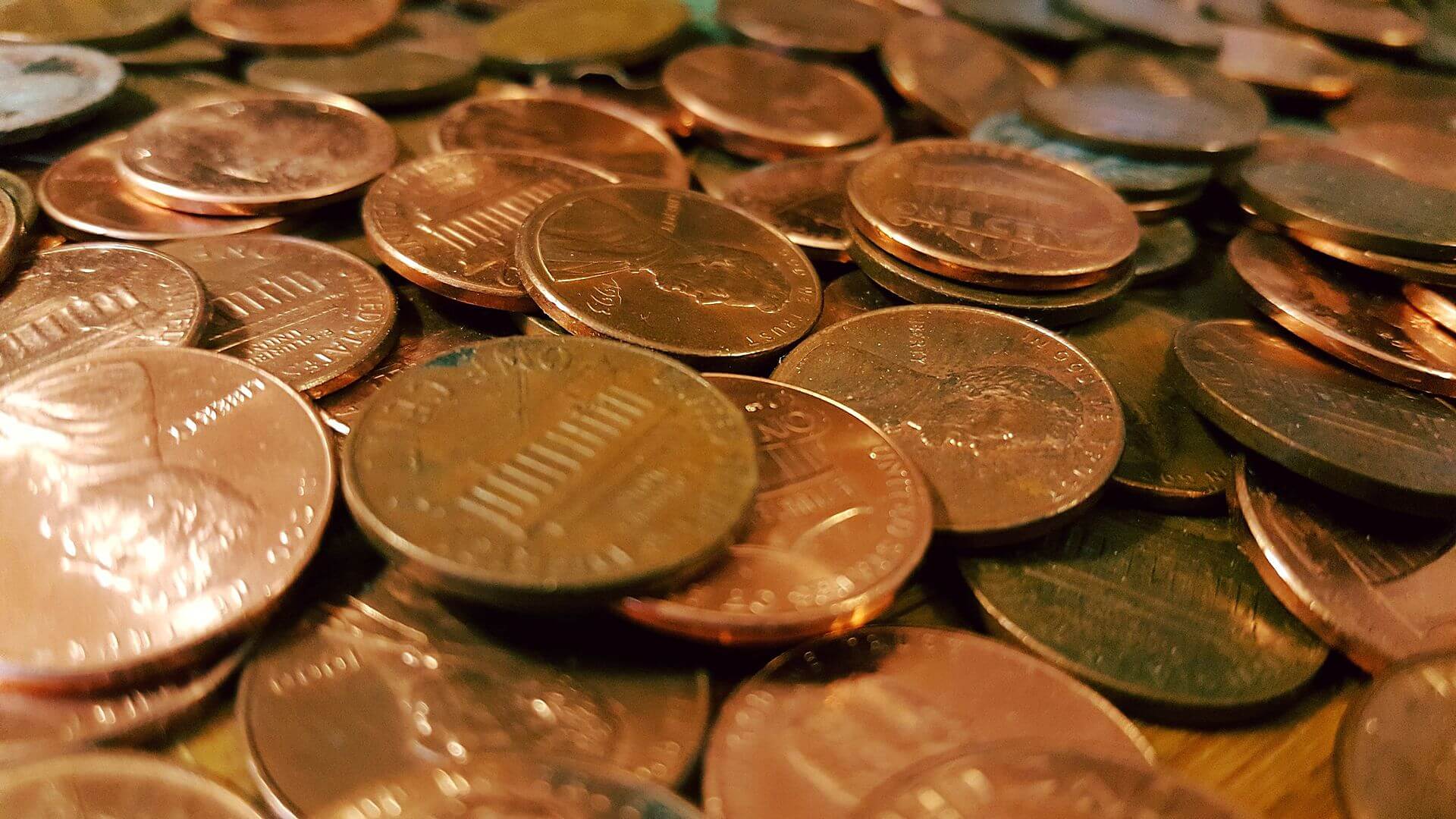
In February, President Donald Trump signed an executive order halting penny production, citing the coin’s high cost and minimal utility. The U.S. Mint followed suit, confirming that the last copper-zinc blanks were ordered in May, with final minting completed by August. The move ended more than two centuries of continuous penny production, leaving 114 billion coins in circulation but none newly made.
Why End the Penny?

Each penny costs over 3¢ to produce, amounting to annual taxpayer losses of roughly $179 million, according to the Treasury Department. Supporters of the halt call it a common-sense efficiency measure, noting that pennies often pile up in jars or car cupholders rather than recirculating. The government expects to save around $56 million annually from the change, though logistical complications have muted the initial enthusiasm.
The Shortage Hits the Streets

The effects were immediate. Retailers, banks, and armored car services stopped receiving new shipments, forcing stores like Kwik Trip and Sheetz to round transactions to the nearest nickel. Burger King franchisees began stockpiling pennies in bulk to buy time, while supermarkets like Kroger and Giant Eagle warned customers that exact change might no longer be possible.
The Cost of Adapting

Rounding down to favor customers might sound small, but it adds up. Kwik Trip estimates the shift could cost $3 million this year alone. The National Retail Federation says retailers are also facing increased labor and system costs from recalibrating point-of-sale software, updating receipts, and retraining staff—all while managing consumer frustration and confusion at the register.
A Legal and Economic Puzzle
The penny’s disappearance has sparked unexpected legal and economic complications. In at least ten states, cash rounding violates consumer protection laws requiring equal pricing across payment types. Retailers now face a dilemma: round down and take the loss, or round up and risk lawsuits. Federal regulators have yet to issue unified guidance, leaving many to improvise. Some lobbyists are pushing Congress to pass a national rounding law.
Small Businesses Feel the Pinch

For small, cash-heavy businesses, the penny’s absence squeezes already thin profit margins. Convenience stores and fast-food chains, where transactions often end in odd cents, report margin losses of up to 1%. Banks are rationing remaining coins, while some retailers offer rewards for customers who bring in spare pennies, including gift cards or free drinks.
A Lesson from Canada

Analysts point to Canada’s 2013 transition as a roadmap. There, rounding to the nearest nickel after tax caused minimal disruption or inflation. Economists say the U.S. will likely follow a similar trajectory once legal barriers are settled and the initial shortage stabilizes. But with billions of pennies still in drawers and jars, full withdrawal from circulation could take decades.
The Ripple Effect: Nickel on the Line

Attention has already turned to the nickel. Producing it costs nearly 14 ¢, almost triple its face value, leading some officials to question whether it’s next on the chopping block. For now, retailers and consumers are learning to adapt to life without America’s smallest coin.
What’s Next for American Change

The penny will remain legal tender for years, but its absence marks a larger economic transition. As pennies dwindle from circulation, stores and shoppers will adapt to a simplified system of rounding and digital payments. For a nation built on the phrase “a penny saved is a penny earned,” the disappearance of its smallest coin feels like the end of an era when change itself still mattered.