

Products are selected by our editors, we may earn commission from links on this page.
The United States Postal Service (USPS) is raising alarm after announcing a major financial move that signals deeper trouble ahead,temporarily suspending its contributions to employee pension plans. The decision, part of a broader effort to conserve cash, comes as the agency warns of a looming liquidity crisis that could threaten its ability to continue normal operations. While officials insist the move is necessary to stabilize finances in the short term, it has sparked concern among workers, analysts, and policymakers about the long-term health of one of the nation’s most essential public services.
What the Pension Suspension Actually Means
USPS has temporarily halted its employer contributions to the Federal Employees Retirement System (FERS), a key pension program for postal workers and other federal employees. Normally, the agency contributes hundreds of millions of dollars on a regular basis to support future retirement benefits, but this pause is intended to free up cash immediately. Importantly, employee contributions and other retirement benefits are still being processed, meaning workers’ current benefits are not being cut, at least for now.
Why USPS Says It Had to Take This Step
Postal officials say the decision is driven by an urgent need to preserve liquidity as financial pressures continue to mount. According to leadership, the agency is facing a situation where it could run out of cash within the next year if no action is taken. By suspending pension contributions, USPS expects to save roughly $2.5 billion in the current fiscal year, money that can be used to keep operations running and meet immediate obligations like payroll and deliveries.
A ‘Liquidity Crisis’ Is Now a Real Concern

The term “liquidity crisis” has become central to USPS’s warnings, reflecting fears that the agency may not have enough cash on hand to sustain day-to-day operations. Officials have indicated that without significant changes or additional support, the Postal Service could face serious disruptions by early 2027. This level of concern highlights how fragile the agency’s financial position has become, despite its critical role in delivering mail nationwide.
Years of Financial Struggles Behind the Move
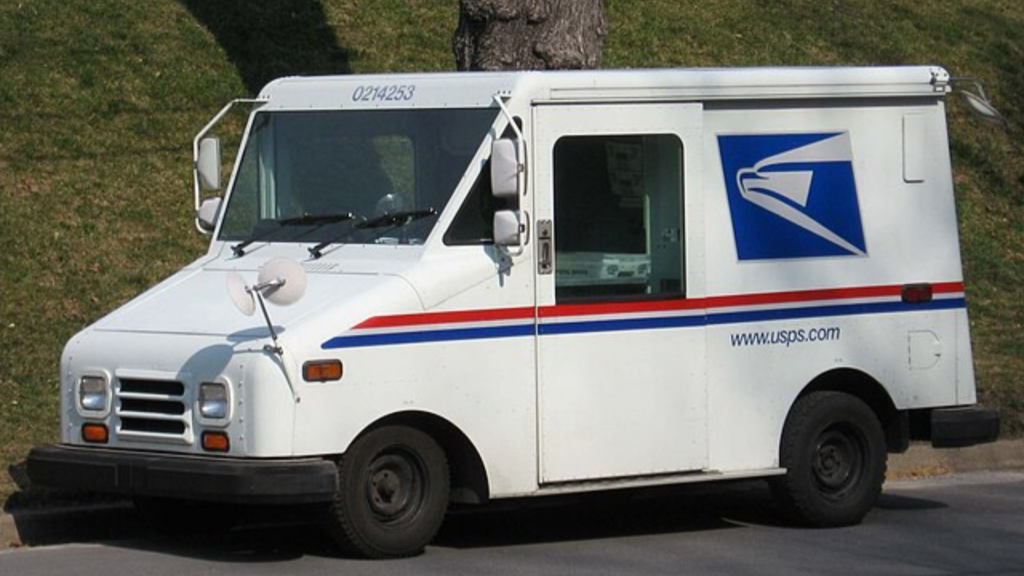
The current crisis did not emerge overnight, USPS has struggled financially for years due to declining mail volumes, rising operational costs, and unique financial obligations. The agency has reported billions in annual losses and has faced long-term challenges tied to pension and healthcare funding requirements that are more burdensome than those faced by most other organizations. These ongoing issues have gradually pushed the Postal Service to its current breaking point.
How This Affects Postal Workers and Retirees

For now, USPS officials emphasize that the suspension will not have an immediate negative impact on current employees or retirees, as pension benefits are legally protected and employee contributions continue as normal. However, the move has still raised concerns among workers about long-term stability, especially if the suspension lasts longer than expected or signals deeper structural issues within the system.
Other Cost-Cutting Measures Are Already in Motion

The pension suspension is just one part of a broader effort to stabilize USPS finances, with additional measures already being considered or implemented. These include potential postage rate increases, operational changes, and ongoing cost-cutting strategies aimed at reducing expenses across the network. Together, these actions reflect a larger attempt to keep the agency afloat in the face of mounting financial pressure.
Calls for Government Action Are Growing
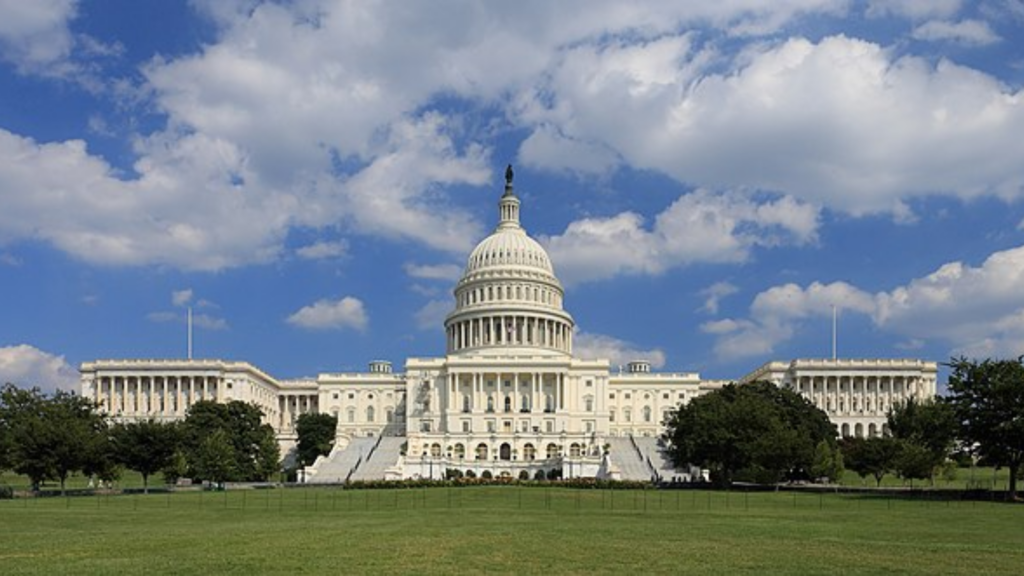
USPS leaders have made it clear that internal cost-cutting alone may not be enough to solve the problem, and they are urging Congress to step in with additional support. Proposals include raising the agency’s borrowing limit and implementing structural reforms to address long-standing financial challenges. Without legislative action, officials warn that the Postal Service may struggle to maintain reliable service in the future.
Why This Matters Beyond the Postal Service

The financial health of USPS has far-reaching implications, as the agency plays a critical role in delivering mail, packages, medications, and essential goods to millions of Americans, especially in rural and underserved areas. Any disruption to its operations could impact businesses, households, and government services alike. This makes the current situation not just a financial issue, but a broader public concern.
A Warning Sign for the Future of USPS
The decision to suspend pension contributions underscores just how serious the Postal Service’s financial challenges have become. While the move may provide temporary relief, it also highlights the need for long-term solutions to ensure the agency’s sustainability. As policymakers, employees, and the public watch closely, the coming months could prove critical in determining whether USPS can stabilize, or whether deeper changes will be required to secure its future.