


Products are selected by our editors, we may earn commission from links on this page.
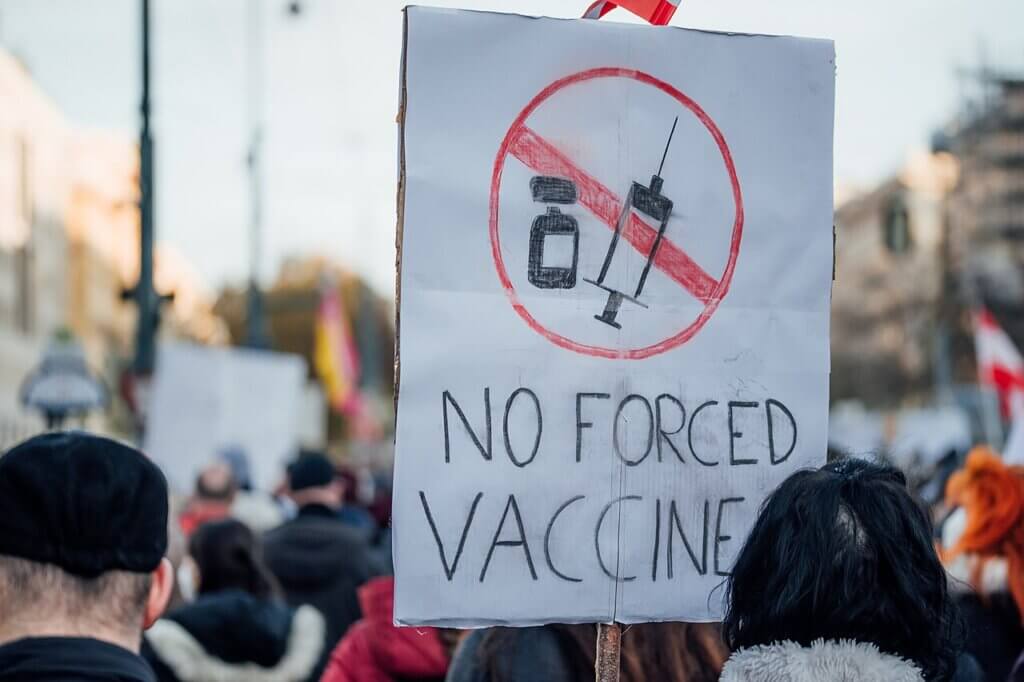
Few medical advances have prevented as much illness and death as vaccines, helping eliminate smallpox, nearly eradicate polio, and dramatically reduce diseases that once claimed countless lives. Yet in the United States, vaccines remain one of the most debated areas of medicine. While most Americans continue to vaccinate themselves and their children, public confidence has become increasingly divided, fueled by historical controversies, misinformation, political polarization, and growing debates over public health policy.
Vaccines Changed the Course of Human History
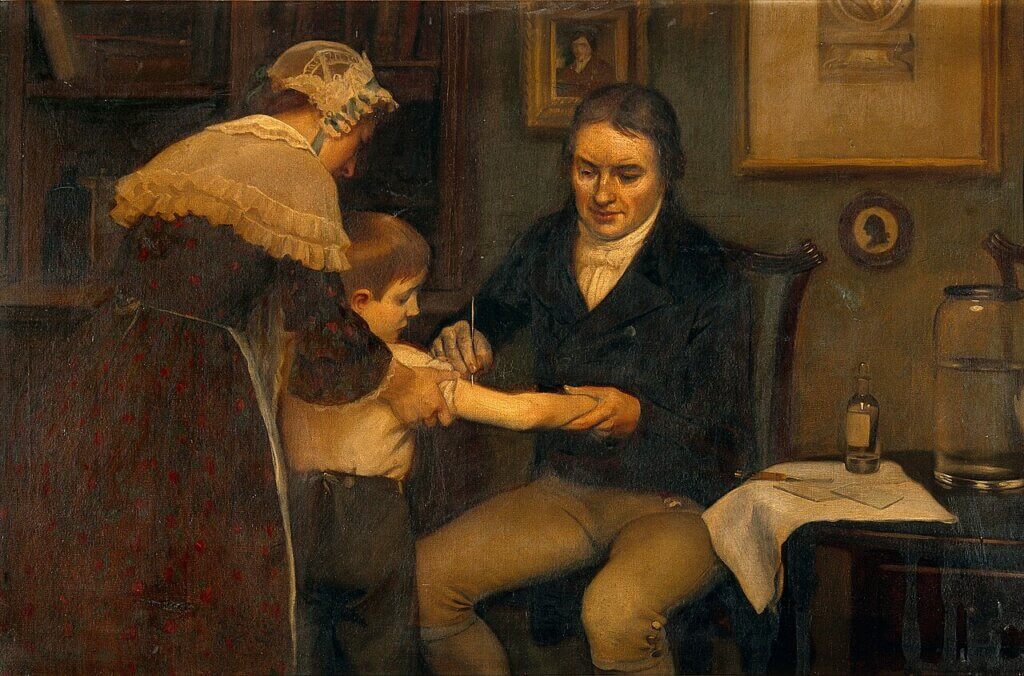
The modern era of vaccination began in 1796, when English physician Edward Jenner (in photo, painting that depicts Jenner administering vaccine to a young patient) demonstrated that exposure to cowpox could protect people against deadly smallpox. More than a century later, Louis Pasteur expanded vaccine science with immunizations against rabies and anthrax. Throughout the 20th century, vaccines for polio, measles, mumps, rubella, diphtheria, and many other diseases transformed public health. In 1980, the World Health Organization declared smallpox eradicated, making it the first human disease eliminated through vaccination. Today, vaccines protect against more than 20 infectious diseases and prevent an estimated 3.5 million to 5 million deaths worldwide each year, according to the WHO.
Why Scientists Consider Vaccines One of Medicine’s Greatest Achievements
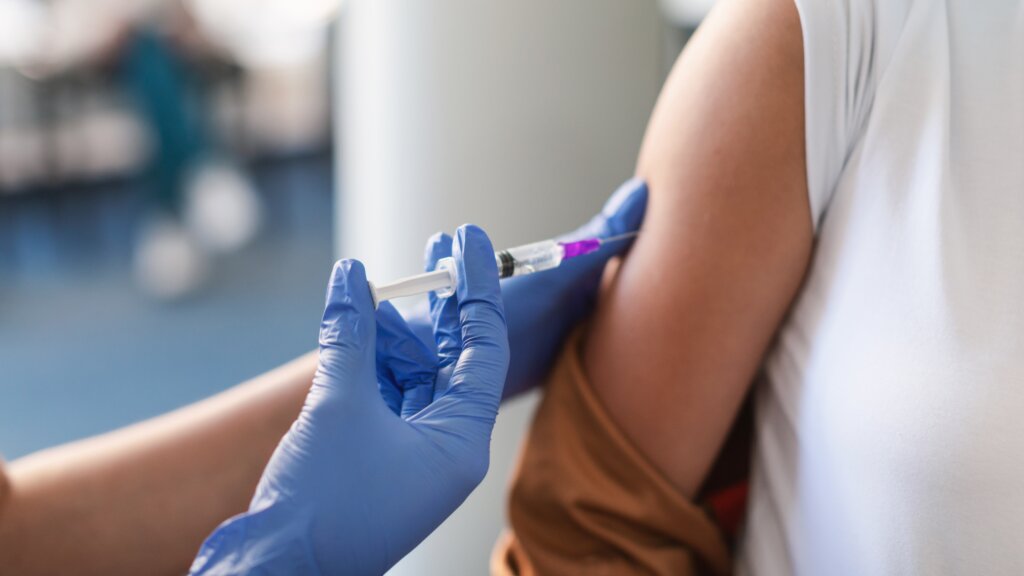
Vaccines work by exposing the immune system to a harmless version or component of a pathogen, allowing the body to build immunity before encountering the real disease. This not only protects individuals but also creates herd immunity, reducing transmission and shielding vulnerable people who cannot be vaccinated because of age or medical conditions. Public health experts point to decades of real-world evidence showing steep declines in illnesses such as polio, measles, Hib meningitis, and cervical cancer following widespread vaccination campaigns. The Centers for Disease Control and Prevention has called immunization one of the greatest public health achievements in U.S. history.
Skepticism Has Existed Almost as Long as Vaccines
Opposition to vaccines is not a modern phenomenon. Resistance appeared soon after the first smallpox vaccines, with critics objecting to compulsory vaccination laws, questioning safety, or opposing government involvement in personal medical decisions. In the United States, legal battles over mandatory vaccination reached the Supreme Court in Jacobson v. Massachusetts (1905), which upheld states’ authority to require vaccines during public health emergencies. Historians note that vaccine resistance has often combined concerns about personal liberty with fears about medical risk, themes that continue to shape debates today.
A Discredited Study Left a Lasting Mark
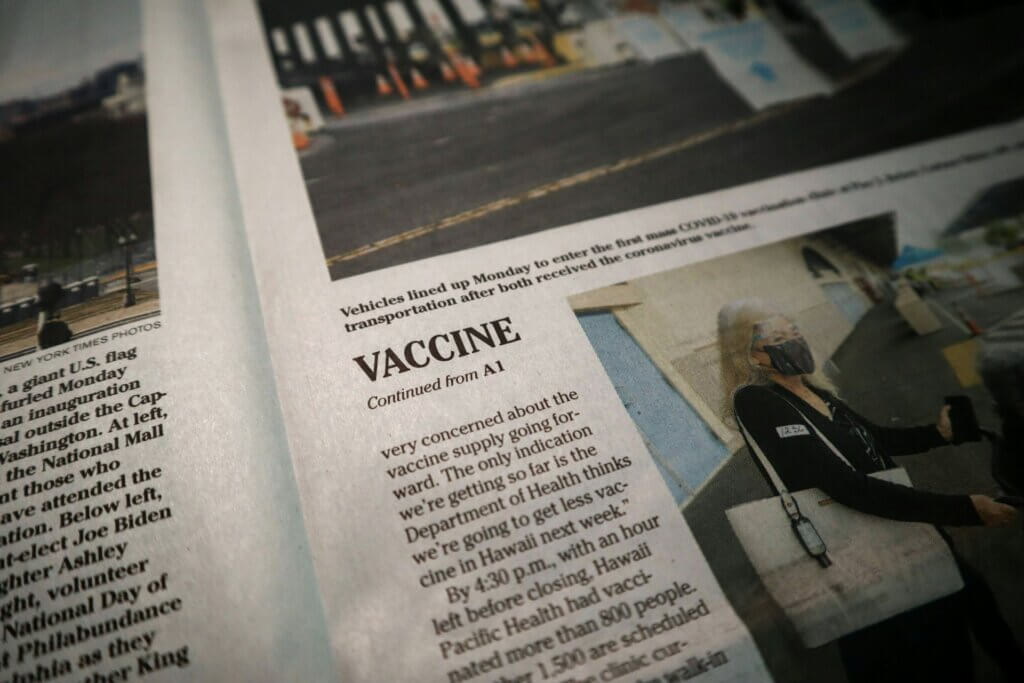
Modern vaccine skepticism accelerated after a 1998 paper published in The Lancet claimed a connection between the measles, mumps, and rubella (MMR) vaccine and autism. Subsequent investigations found the research to be fraudulent, the journal fully retracted the paper, and numerous large studies involving millions of children found no evidence linking vaccines to autism. Still, the claim spread widely through books, television, celebrity advocacy, and later social media. Researchers say the episode illustrates how misinformation can continue influencing public opinion long after it has been scientifically disproven.
Why Vaccine Doubts Grew in the United States
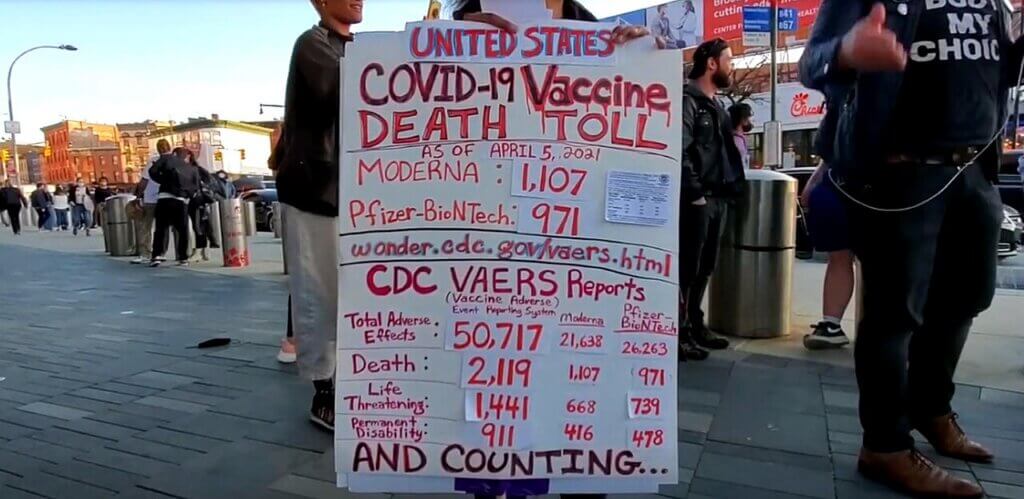
While vaccine hesitancy exists worldwide, several factors have made it particularly visible in the United States. Surveys by the Pew Research Center and the Kaiser Family Foundation show trust in government, public health agencies, and medical institutions has become increasingly polarized. Social media platforms have also accelerated the spread of misleading health claims, while the COVID-19 pandemic intensified debates over mandates, personal freedom, and institutional authority. Public health researchers emphasize that many hesitant people are not firmly opposed to vaccines but instead seek reassurance about safety, effectiveness, and transparency.
The Debate Has Reached the Highest Levels of Government
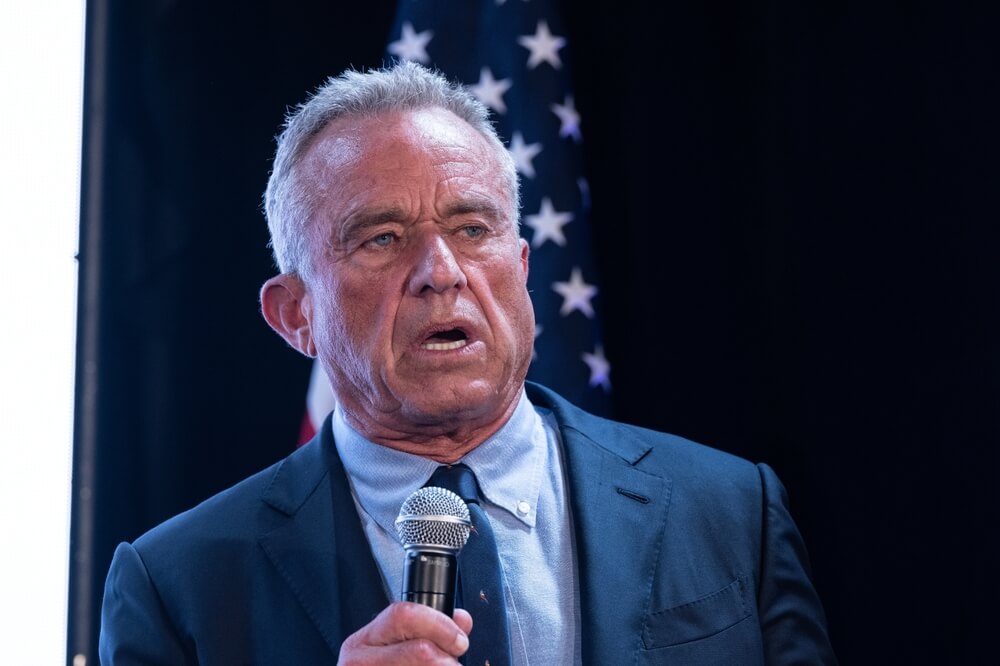
The conversation around vaccines has taken on new prominence since Robert F. Kennedy Jr. became U.S. secretary of Health and Human Services. Kennedy has repeatedly said he is “not anti-vaccine” and has argued that he wants “good science” and greater transparency in vaccine policy and oversight. Supporters say his leadership encourages more rigorous scrutiny of pharmaceutical companies and federal health agencies. Many public health organizations, including the American Academy of Pediatrics and the American Medical Association, disagree, arguing that some of his public statements and policy decisions risk undermining confidence in vaccines that decades of scientific research have found to be safe and effective. His appointment has made vaccine policy a central national political issue rather than solely a scientific or medical one.
Scientists Say Trust Is Just as Important as Science

Experts increasingly argue that scientific evidence alone is not enough to maintain high vaccination rates. Research in public health and behavioral science suggests that trust in physicians, local healthcare providers, and community leaders plays a major role in vaccine acceptance. The World Health Organization identifies vaccine hesitancy as a complex issue shaped by confidence, convenience, and complacency, meaning that rebuilding trust often requires transparent communication rather than simply presenting more data.
The Future of Vaccination Depends on More Than New Discoveries
Researchers continue developing vaccines for diseases including HIV, malaria, RSV, and several forms of cancer, while mRNA technology is opening new possibilities beyond COVID-19. At the same time, public health officials warn that declining vaccination rates have contributed to renewed outbreaks of diseases such as measles in communities with low immunization coverage. The next chapter in vaccination may depend not only on scientific breakthroughs but also on whether governments, healthcare providers, and communities can rebuild public confidence in, arguably, one of medicine’s most effective tools.