

Products are selected by our editors, we may earn commission from links on this page.
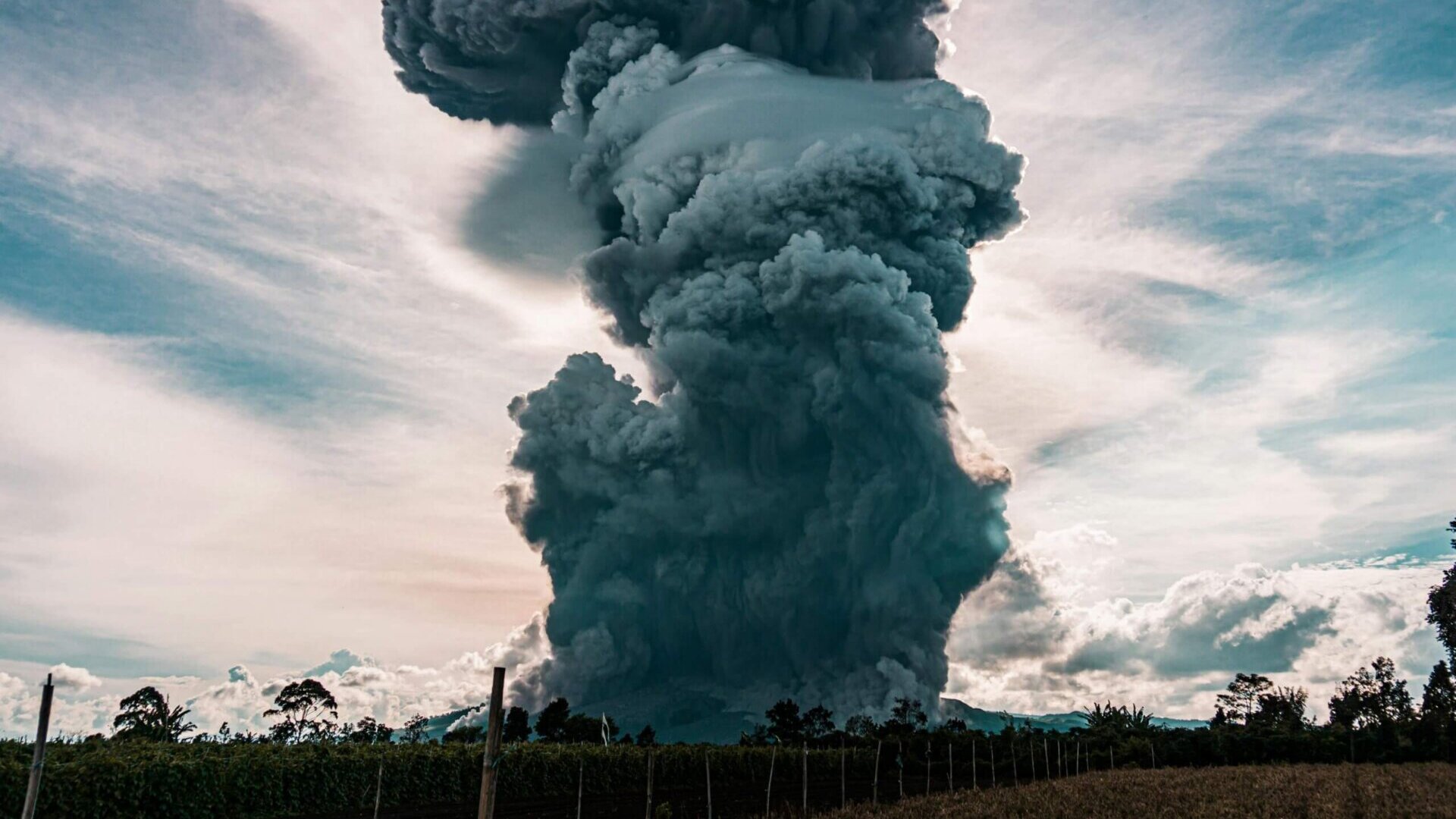
Communities surrounding Mount Etna frequently experience heavy ashfall after eruptions. In some cases, thousands of tons of ash can fall across nearby towns and farmland within a single day.
The nearby city of Catania has reportedly received as much as 17,000 tons of volcanic ash daily during major eruptions. For farmers and local governments, cleaning up these deposits has long been expensive and time consuming.
Fields often had to be cleared manually before planting or harvesting could continue. For decades, the ash was seen mainly as a disruptive force that complicated agricultural work.
Researchers Studied Whether the Ash Could Improve Soil
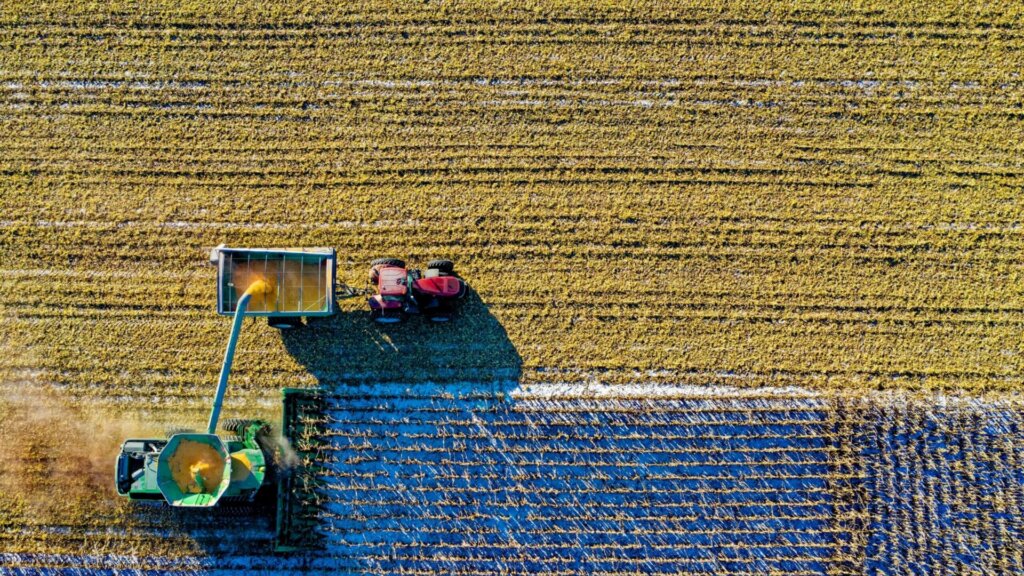
Scientists from the University of Catania launched a five year project to analyze the chemical properties of volcanic ash from Mount Etna. Their goal was to determine whether the material could be used productively instead of being discarded.
Researchers examined elements present in the ash such as iron, aluminum, and silica. These minerals can play important roles in soil health and plant growth.
Early findings suggested that volcanic ash could act as a natural fertilizer, potentially reducing the need for chemical inputs. This discovery opened the door to a new way of managing the material that once caused so many problems.
Farmers Began Leaving Ash on their Fields Instead of Removing it
Some farmers have already started experimenting with this new approach. Citrus producer Andrea Passanisi spreads volcanic ash across his farmland on the slopes of Mount Etna.
Rather than harming the soil, the ash appears to help regulate moisture and provide additional nutrients. In vineyards and orchards, farmers report that it improves drainage and supports healthier plant growth.
Vineyard owner Emilio Sciacca has also embraced the change. Instead of sweeping away the ash after eruptions, he allows it to remain in the soil, where it slowly mixes with the earth and enriches the land.
Turning Volcanic Waste into a Resource Still Faces Challenges
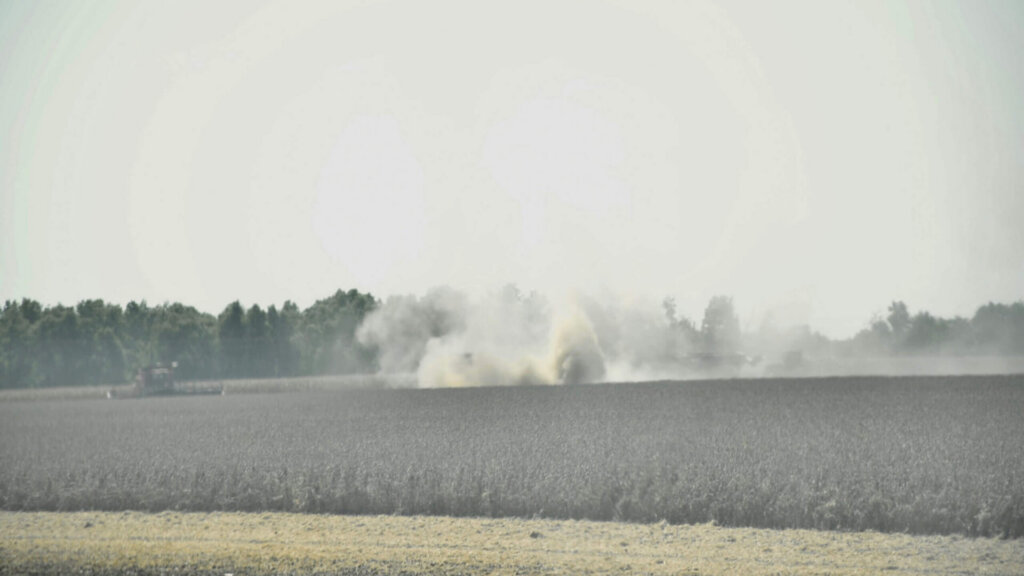
Although the agricultural benefits look promising, large scale use of volcanic ash remains complicated. Current regulations often classify collected ash as waste that must be disposed of in special landfills.
Cleaning and transporting the material can cost municipalities large sums of money. In fact, several Sicilian towns struggled financially in 2021 because of the high cost of ash removal after eruptions.
Researchers hope that continued study will reveal more practical uses for the material. Beyond farming, scientists are also exploring whether volcanic ash could be used in construction materials, filtration systems, or even new manufacturing technologies.