

Products are selected by our editors, we may earn commission from links on this page.

The familiar glow of the neighborhood pharmacy sign is flickering out across America as a healthcare crisis reaches a boiling point. Two of the country’s most prominent pharmacy chains are shuttering hundreds of locations, fundamentally altering how millions of citizens access life saving medication and daily care. While many saw these stores as permanent fixtures of the suburban landscape, the reality of shifting consumer habits and rising operational costs has forced a drastic retreat. This massive reduction in physical stores marks a historic shift from brick and mortar reliance to a digital first medical world.
The latest wave of closures reveals a deep divide between corporate strategy and community needs. CVS Health and Rite Aid have both undergone widespread reductions, though their reasons for doing so could not be more different. For some, these closures are a calculated realignment, while for others, they are the final gasps of a financial struggle played out in bankruptcy court. As the doors lock for the last time at these familiar hubs, patients are left wondering where their next prescription will come from and who will fill the void left behind.
This breadcrumbing of healthcare access creates a sense of unease, particularly for the most vulnerable populations. The answer to why these giants are retreating lies in a combination of mail order pharmacy growth and a significant drop in foot traffic. What was once a quick trip to the corner store has become a digital transaction, but for those without internet access or reliable transportation, the physical loss is a devastating blow. The real discovery, that a pharmacy is more than just a retail store, is becoming clear as these communities lose their local health experts.
The Retail Realignment In Detail

CVS Health has been transparent about its long term strategy to trim its retail footprint, having already closed more than 1,100 stores since 2022. A company spokesperson noted that this work was necessary to realign their presence with the actual needs of modern patients. The strategy is not a sudden reaction to market turmoil, but a planned effort to optimize store density and focus on high performing locations. Despite the closures, the company maintains that 85 percent of Americans still live within 10 miles of a CVS, though that distance can feel much longer for those in rural areas.
The physical reality of this shift is visible in the nearly 200 new stores CVS has opened in specific areas of need, such as inside Target locations or throughout the Pacific Northwest. The company is betting on a model that features fewer, more strategically placed stores that can handle a higher volume of digital and in person services. By reducing store density, they hope to create a more resilient network that matches current population shifts and buying patterns. This realignment is a move away from the cluster of pharmacies once seen on every major intersection in favor of a more spread out, efficient system.
These details matter because they represent a fundamental change in how the pharmacy industry views its role. It is no longer about being on every corner, it is about being in the right location for the digital age. However, the loss of these familiar spots can still be disruptive, especially for older patients who have relied on the same pharmacist for decades. While the corporate data suggests that access remains stable, the lived experience of many customers tells a story of confusion and lost personal connections.
The Impact Of Financial Collapse
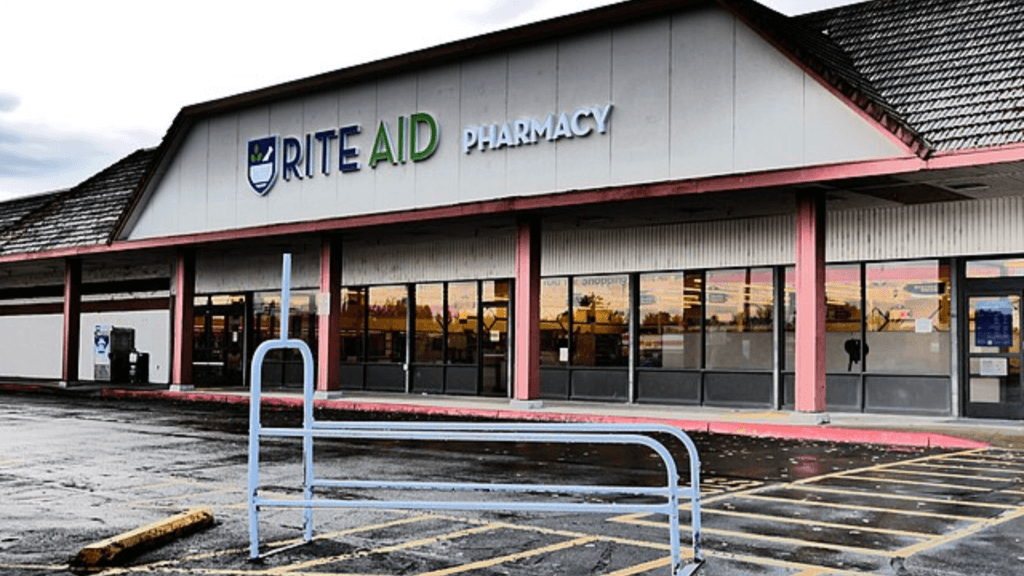
The situation for Rite Aid is much more urgent and reflects a total collapse of a once dominant brand. Grappling with severe financial challenges and bankruptcy proceedings, the company has accelerated its plans to shutter locations nationwide. For many neighborhoods, Rite Aid served as a critical health hub, often being the only accessible provider in underserved areas. The statement on the company’s website is final and blunt, stating that all Rite Aid stores have now closed. This marks the end of a 60 year legacy of providing pharmacy services to millions of loyal customers.
The larger implications of the Rite Aid collapse are worrisome for the stability of the national healthcare infrastructure. When a major chain disappears entirely, the sudden influx of prescription transfers can overwhelm remaining pharmacies, leading to longer wait times and potential errors. Experts warn that this creates a concerning gap in care, particularly for less mobile patients who cannot easily travel to a new, more distant location. The loss of Rite Aid is not just a corporate failure, it is a rupture in the safety net of many local communities.
This disruption widens the scope of the national debate regarding healthcare access in rural and underserved areas. As these chains pull back, pharmacy deserts are forming in places where health options were already limited. Policymakers are now forced to consider how to maintain services for those who cannot rely on digital apps or mail order delivery. The emotional arc of this story, from the curiosity of why a store is closing to the concern of where to find medicine, is a journey many Americans are now forced to take.
The Future Of Neighborhood Healthcare

As the closures roll out, the next step for most consumers will be watching how their prescriptions are handled by new providers. The transition period is often fraught with uncertainty, as patients must navigate different insurance protocols and establish new relationships with pharmacists. While the giants like CVS are confident that their current footprint is sufficient for today’s consumer, the long term effects on community health remain to be seen. The return to urgency is felt by those who are currently caught in the middle of these shifting corporate tides.
The only way to ensure continued access may be a complete reimagining of the pharmacy model. Some experts suggest that the future lies in smaller, specialized clinics or more robust digital health services that can bridge the gap left by physical store closures. However, the human element of healthcare cannot be entirely digitized. The advice of a pharmacist and the convenience of a neighborhood location are resources that are becoming increasingly rare. The forward looking consequences of this retail retreat involve a more fractured and less personal healthcare system.
The pharmacy closures serve as a powerful reminder that even the largest industries must adapt to a changing world. As the lights go out on hundreds of Rite Aid and CVS locations, the cost is felt by every person who relies on them for their well being. The struggle for access has moved from the aisles to the internet, leaving many behind. We must now accept that the era of the ubiquitous corner pharmacy is ending, and a new, more distant era of healthcare is beginning.