

Products are selected by our editors, we may earn commission from links on this page.
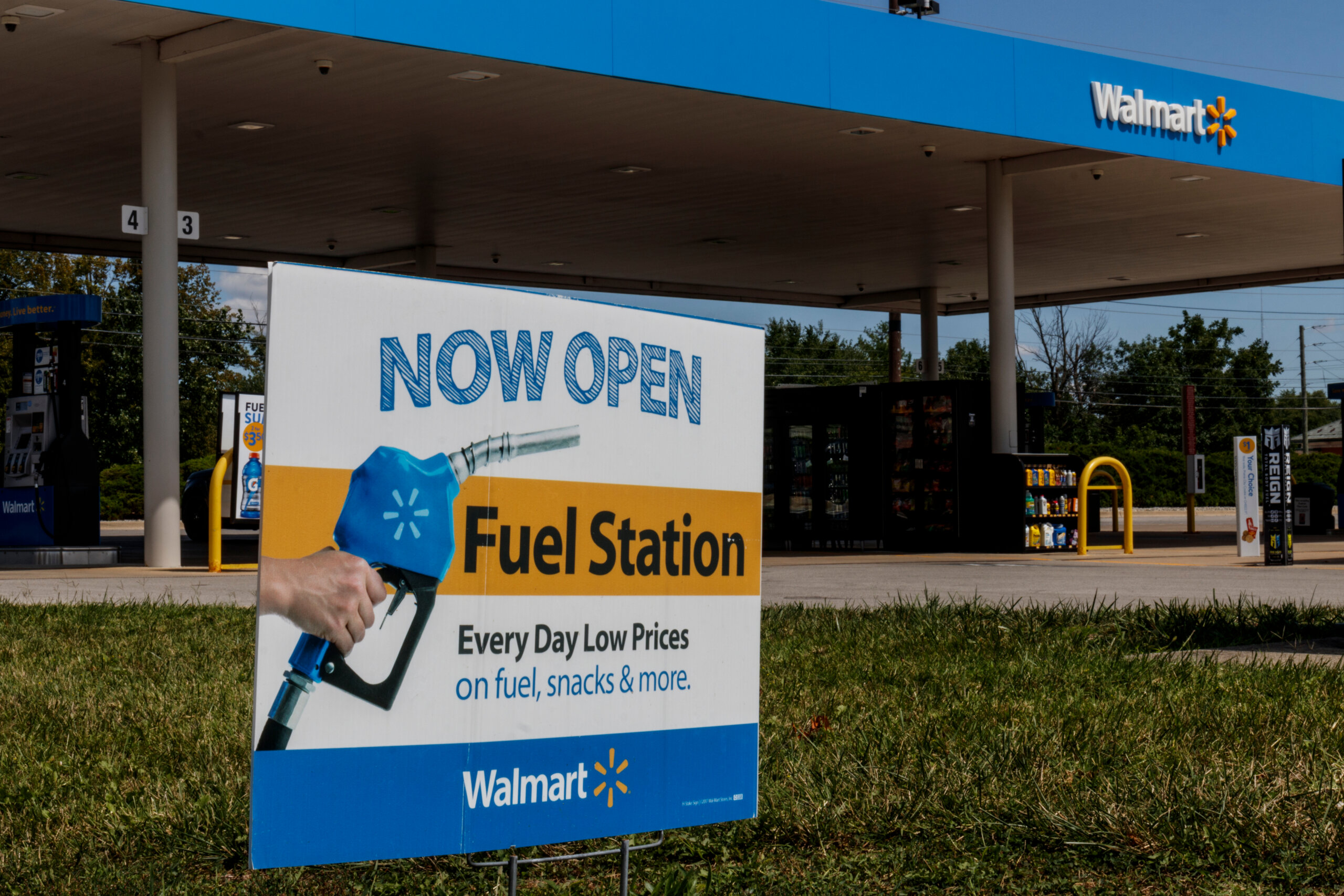
Americans are not just complaining about higher gas prices anymore. Walmart says shoppers are actively changing how they spend, and one of the clearest warning signs is showing up at the pump. The retailer revealed that customers are now buying less than 10 gallons of gasoline per visit for the first time since 2022, a shift executives say reflects growing financial pressure on households already stretched by inflation and rising living costs.
Walmart’s Earnings Revealed A Split Economy
Walmart’s latest quarterly earnings showed strong overall sales, but executives painted a more uneven picture underneath the numbers. The company reported first-quarter revenue growth of 7.3% and rising e-commerce sales, helped in part by higher-income shoppers continuing to spend confidently across multiple categories. Lower-income consumers, however, are becoming increasingly cautious with essentials and discretionary purchases. Walmart CFO John David Rainey said many budget-conscious shoppers are “navigating financial distress.”
Gas Prices Have Climbed Above $4.55 Nationwide
The pressure intensified as average gasoline prices climbed to roughly $4.55 to $4.56 per gallon nationwide, according to AAA data cited across multiple reports. Diesel prices also surged, increasing transportation and delivery costs across the economy. Walmart executives linked the jump in fuel prices to broader geopolitical instability and disruptions in oil supply routes connected to the conflict involving Iran and the Strait of Hormuz.
Shoppers Are Cutting Back Beyond The Pump
Walmart executives warned that rising fuel expenses rarely stay confined to transportation budgets. When consumers spend more filling their tanks, they often reduce spending on groceries, clothing, household goods, and other everyday purchases. Rainey said Walmart is already seeing those behavioral changes emerge in stores as customers watch prices more carefully and scale back purchases where possible.
Walmart Is Feeling The Cost Pressure Too
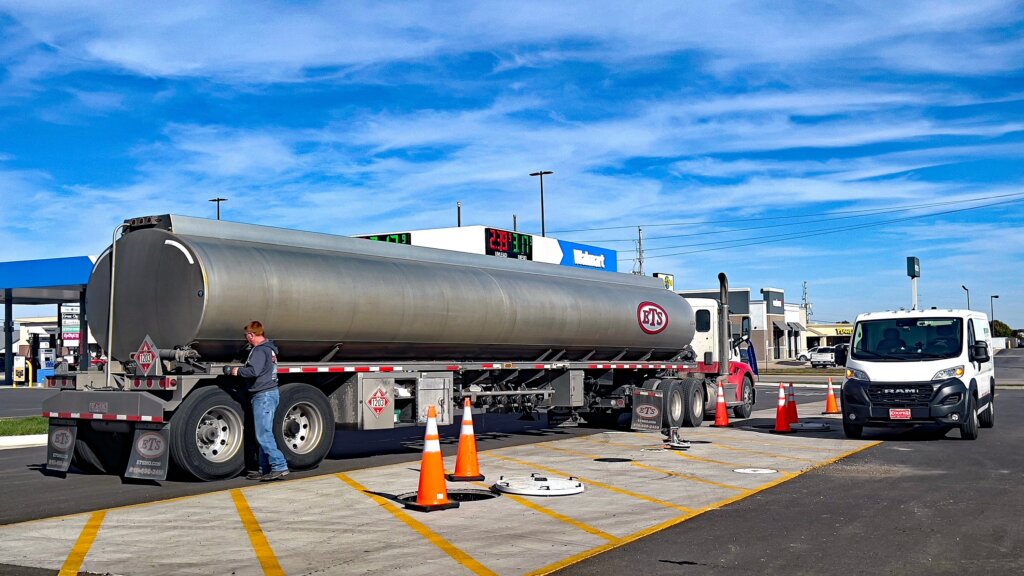
The company says consumers are not the only ones absorbing higher fuel costs. Walmart revealed that elevated transportation expenses added roughly $175 million in unexpected fuel-related costs to its distribution and fulfillment operations during the quarter. Those costs affected operating income growth even as sales remained strong.
Rising Oil Prices Could Push Grocery Costs Higher
Executives also warned that persistently high fuel prices could eventually increase food prices nationwide. Rainey explained that agriculture depends heavily on fertilizer, nitrogen, phosphates, and transportation, all of which become more expensive when oil prices rise. Walmart said prolonged instability around global shipping routes could create upward pressure on grocery prices later this year.
Food Inflation Is Already Hitting Key Staples
The U.S. Department of Agriculture’s 2026 Food Price Outlook projects overall food prices will rise 3.4% this year, with grocery store prices expected to increase 3.2%. Some categories are forecast to climb much faster. Beef and veal prices are projected to jump 12.1%, while fresh vegetables could rise 7.8%. Those increases matter especially for Walmart shoppers because groceries represent one of the retailer’s largest and most price-sensitive businesses.
Tax Refund Season Had Been Cushioning Consumers
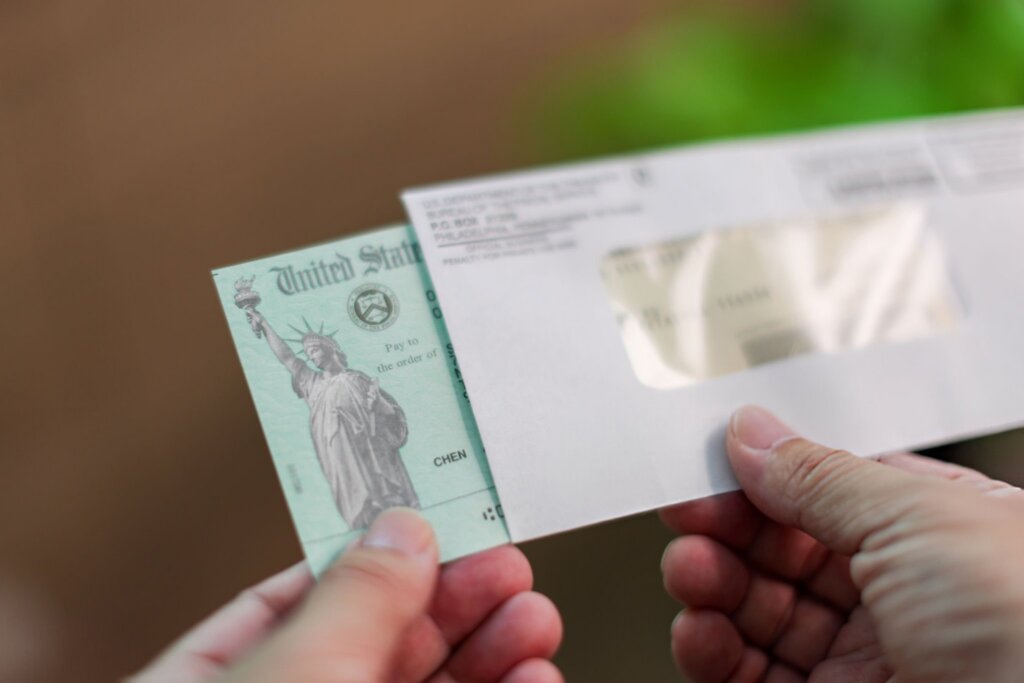
Walmart executives believe shoppers may feel even more pressure in coming months because tax refund season is fading. Rainey told CNBC that refunds had temporarily softened the blow from higher fuel prices, but that support is now disappearing. Without that seasonal financial boost, households could struggle more with transportation and food costs heading into summer.
Walmart Is Leaning Harder Into Discounts And Rollbacks
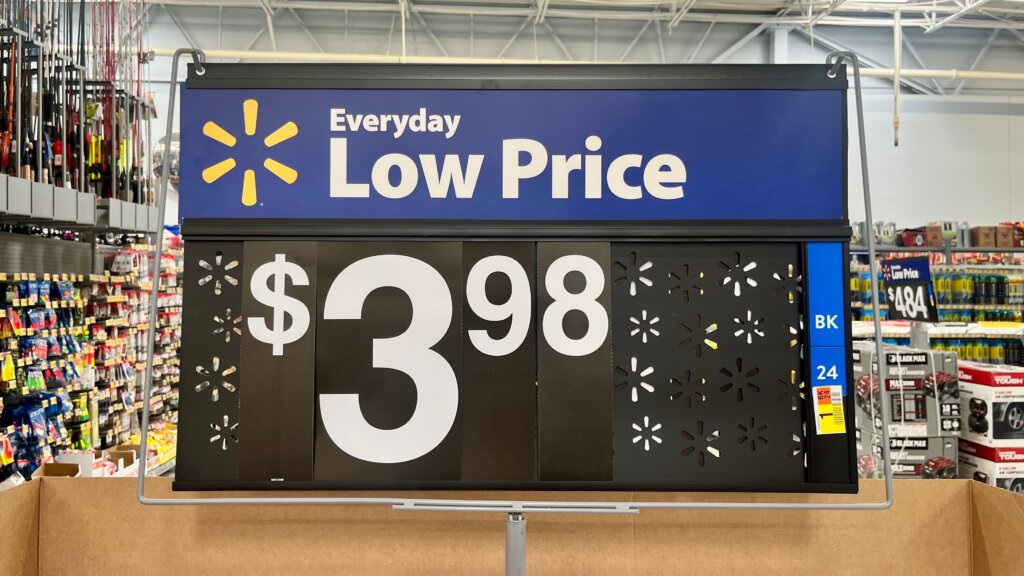
Despite the warning signs, Walmart says it is doubling down on value-focused pricing strategies to keep shoppers loyal. CEO John Furner said the company expanded its number of rollbacks to more than 7,000 across stores, significantly above recent years. Executives stressed that maintaining “Every Day Low Prices” remains central to Walmart’s strategy as consumers search for cheaper alternatives amid inflation concerns.
The Bigger Concern Is What Happens Next
Walmart’s warning carries weight because the retailer serves millions of households across nearly every income level in the United States. When executives begin seeing shoppers buy smaller amounts of gas, rethink grocery purchases, and closely monitor prices, economists and investors pay attention. Walmart may still be growing sales, but its latest comments suggest many Americans are entering another period of financial strain where fuel costs once again influence nearly every household decision.