

Products are selected by our editors, we may earn commission from links on this page.
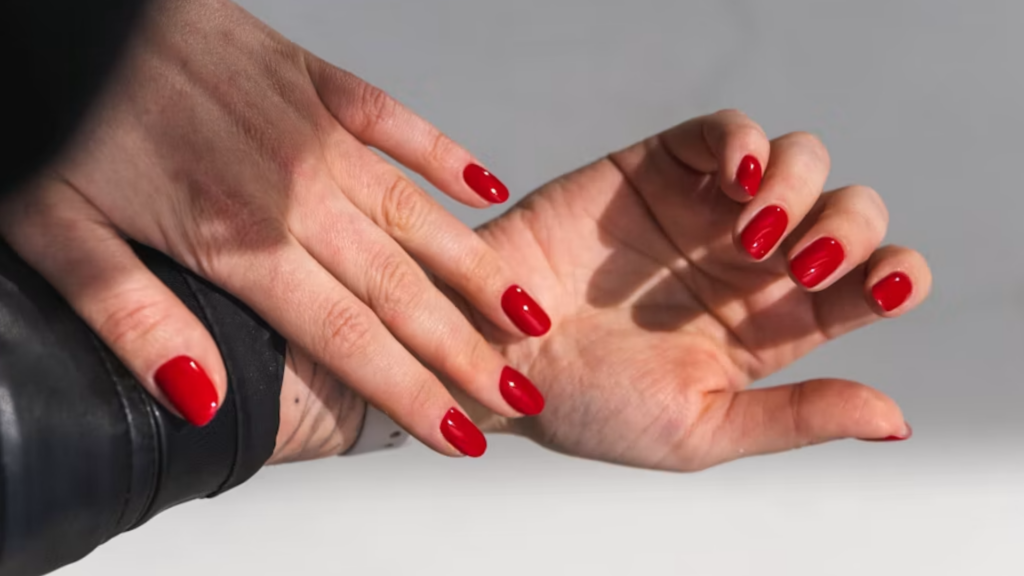
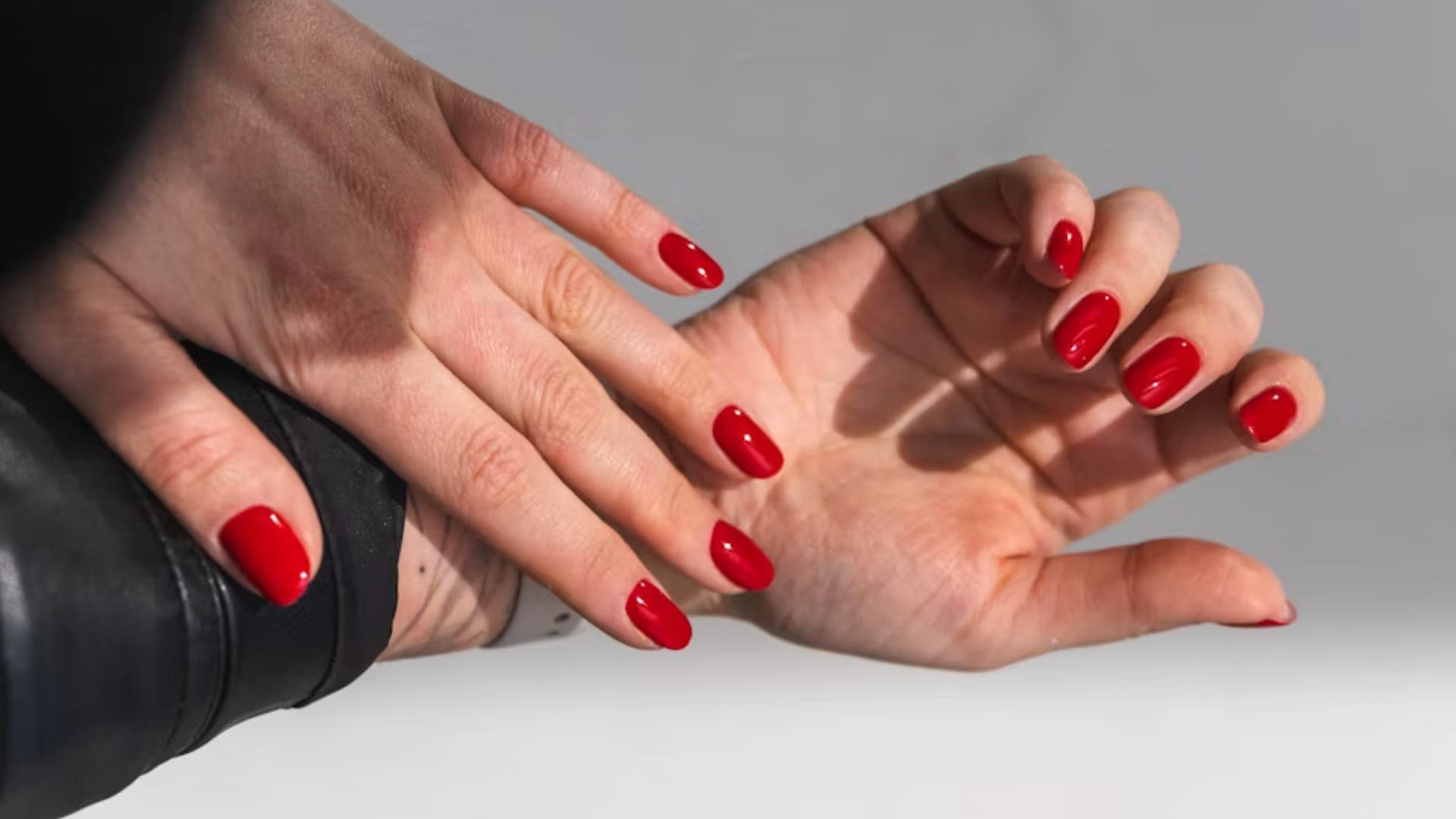
Russian manicures have gained popularity on social media for their extremely clean appearance and sharply defined nail beds. Unlike a traditional manicure, the technique uses an electric file on dry nails to remove the cuticle, creating a polished look that can make nails appear longer. Dermatologists, however, warn that removing this protective layer can increase the risk of infection, inflammation, and nail damage.
What Exactly Is a Russian Manicure?
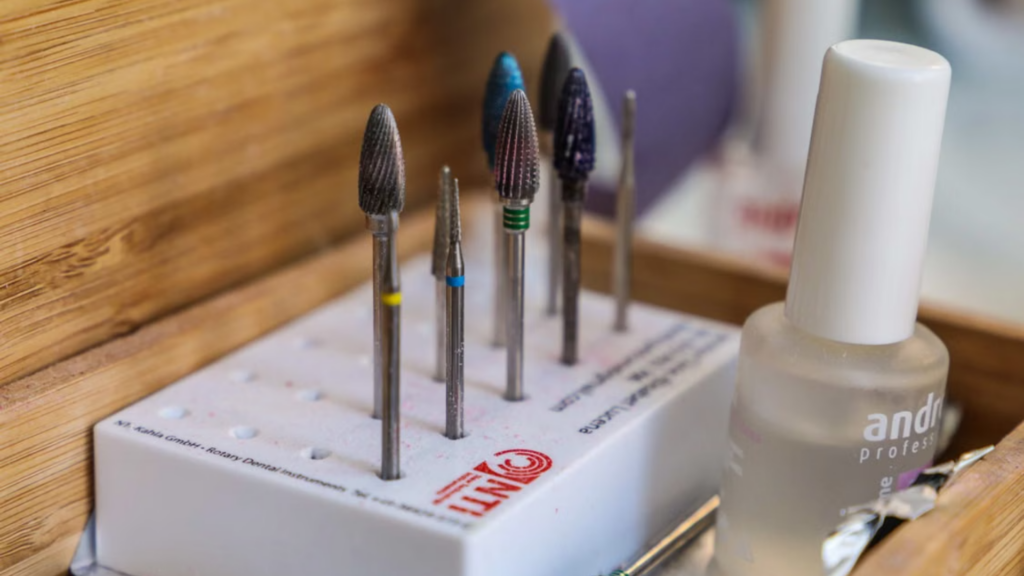
The main difference is how the cuticle is handled. Instead of soaking the nails and gently pushing back the cuticles, a Russian manicure typically uses an electric file to aggressively clean and remove the cuticle while the nail remains dry. The process can take two to three hours and is designed to leave a particularly precise finish around the nail bed.
Why the Cuticle Matters
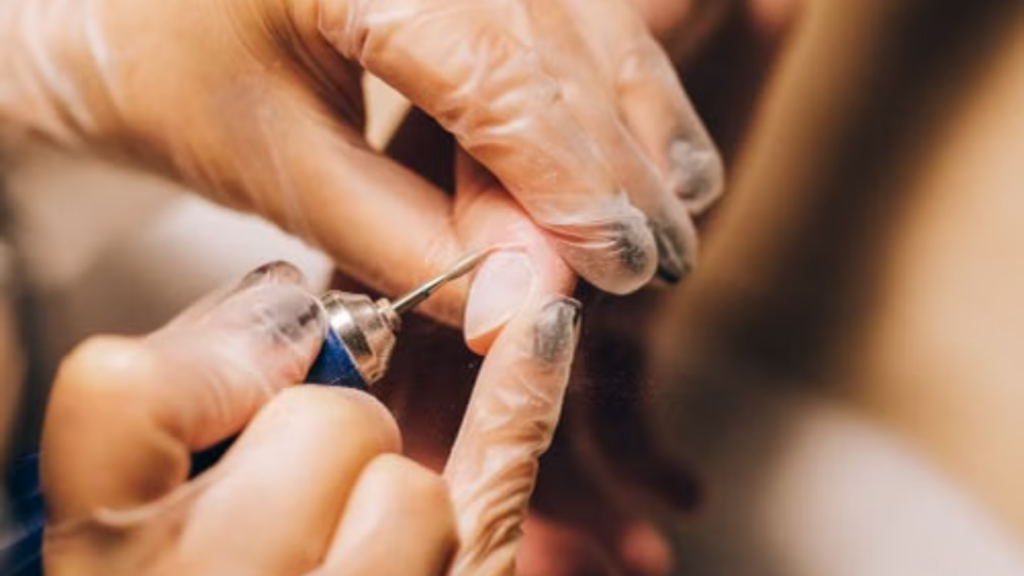
The cuticle is more than unwanted skin that gets in the way of polish. It forms a protective barrier around the nail and helps prevent bacteria and other potentially harmful organisms from reaching the nail root and surrounding tissue. The American Academy of Dermatology recommends leaving cuticles alone because damaging this barrier can make the area more vulnerable to injury and infection.
Removing It Can Increase Infection Risk
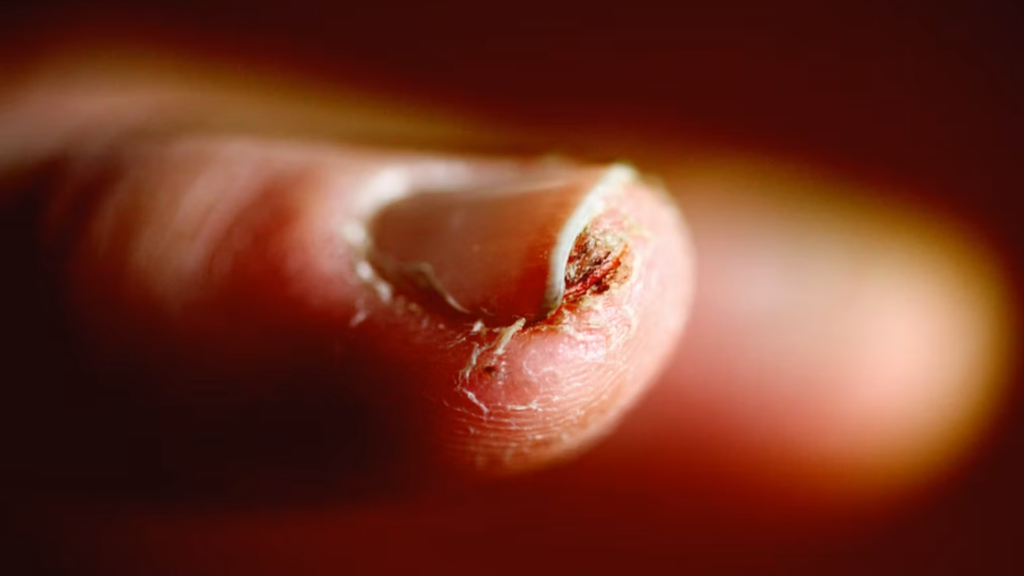
Once the cuticle is removed, microorganisms have an easier path into the area surrounding the nail. Dermatologists cited by Health specifically point to paronychia, an infection of the skin around the nail, and onychomycosis, a fungal nail infection, as possible complications. The risk can become more concerning when the area experiences repeated trauma during frequent manicures.
Your Nails Can Become Brittle and Sensitive
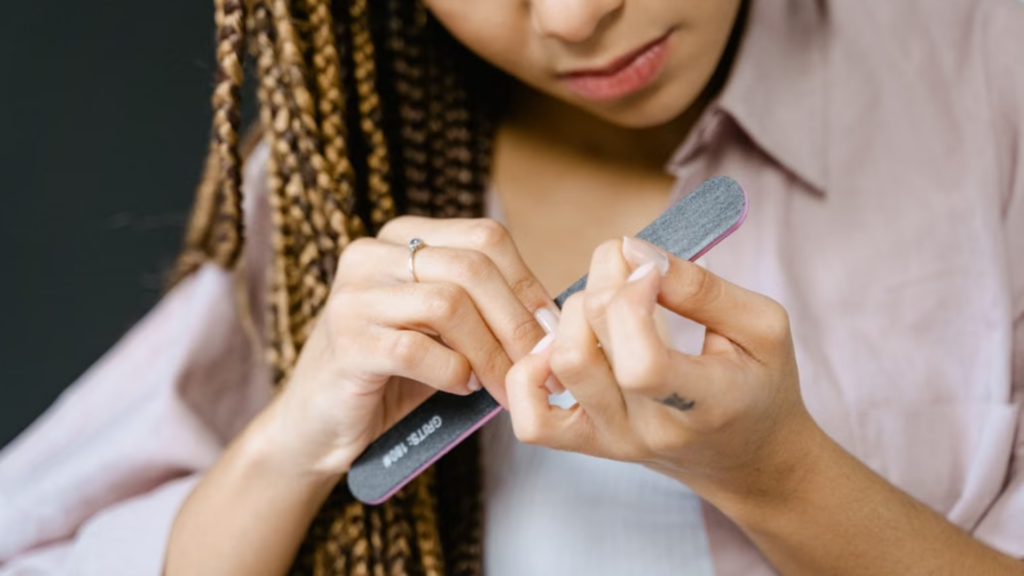
The potential problems are not limited to infections. Removing tissue so close to the nail bed can compromise the structure of the nail, potentially making it more brittle or sensitive. Repeated trauma around the cuticle may also cause chronic inflammation or scarring that can affect how the nail grows over time.
The Flawless Look Is Part of the Appeal
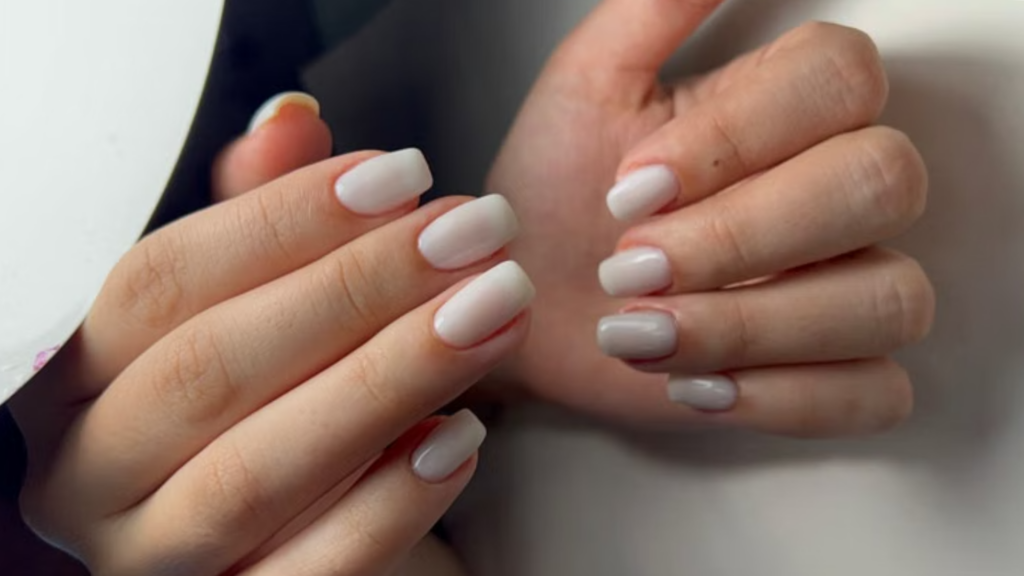
There is a reason the trend has attracted so much attention. By removing the cuticle and exposing more of the nail, the technique creates a larger surface for polish and can make the nails look longer and exceptionally neat. Some people also believe the finished manicure lasts longer, adding to its appeal despite the potential health concerns.
TikTok Helped Push the Trend Into the Spotlight

Russian manicures have existed for years, but social media, particularly TikTok, has helped bring the technique to a much wider audience. Videos highlighting the dramatic transformation from natural nails to an ultra-clean finish have helped fuel interest. The attention has also prompted greater scrutiny from dermatologists concerned that the visual appeal could overshadow the risks.
What Dermatologists Recommend Instead
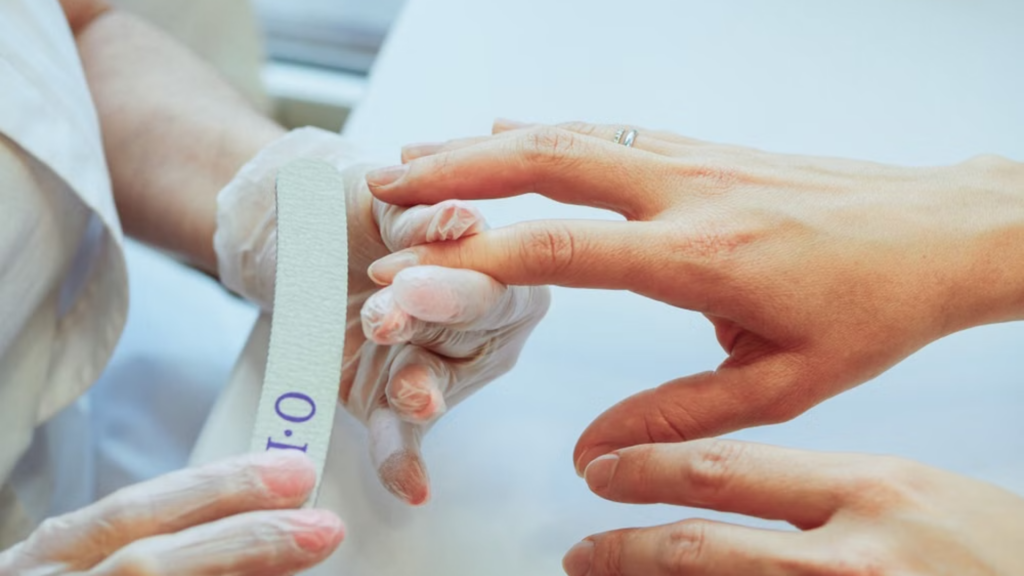
Experts do not agree that everyone who gets a Russian manicure will necessarily experience complications, but they emphasize that consumers should understand what the procedure involves. One dermatologist cited by Health recommended choosing a highly experienced technician if someone decides to proceed, while another said she recommends avoiding the procedure or approaching it with extreme caution.
How to Protect Your Nails at the Salon

People who want manicured nails can choose approaches that preserve the cuticle rather than completely removing it. It is also important to use an experienced technician and ensure salon tools and equipment are properly cleaned and maintained, since preventing breaks in the skin and reducing exposure to contaminants can help protect the nail area.
A Perfect Manicure May Not Be Worth the Risk
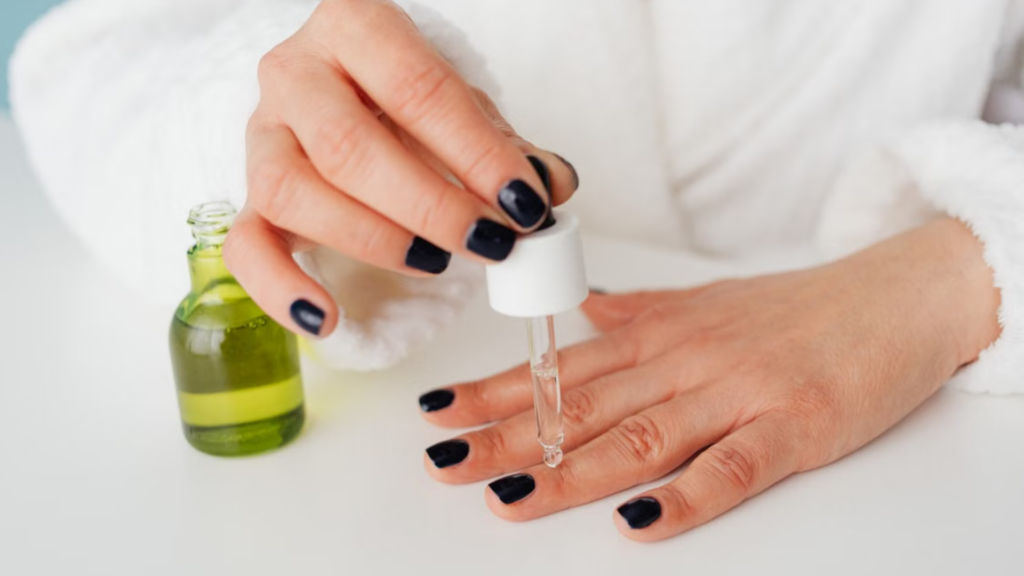
The Russian manicure trend delivers the exceptionally clean look many people want, but that appearance comes from removing a part of the body that serves an important protective purpose. Dermatologists warn that completely removing cuticles can contribute to infections, inflammation, brittleness, and other nail problems, particularly when the area is repeatedly traumatized. For anyone considering the trend, preserving the cuticle and choosing a gentler manicure may be the safer way to achieve well-groomed nails.