

Products are selected by our editors, we may earn commission from links on this page.
As humanity returns to deep space exploration, the Moon’s far side is once again capturing attention, not as a mystery of myth, but as a frontier of science. Observations from the Orion spacecraft offer a rare perspective that challenges what we think we know about our closest celestial neighbor, revealing subtle differences and unlocking new research opportunities.
The Moon Looks Different From Space
From the window of the Orion capsule, astronaut Christina Koch noticed something immediately unfamiliar about the Moon, its surface did not match the patterns seen from Earth, especially the placement of darker regions. This subtle visual shift highlights how perspective shapes perception, and how observing from space can reveal details that remain hidden from the ground.
Recognizing The Far Side Of The Moon
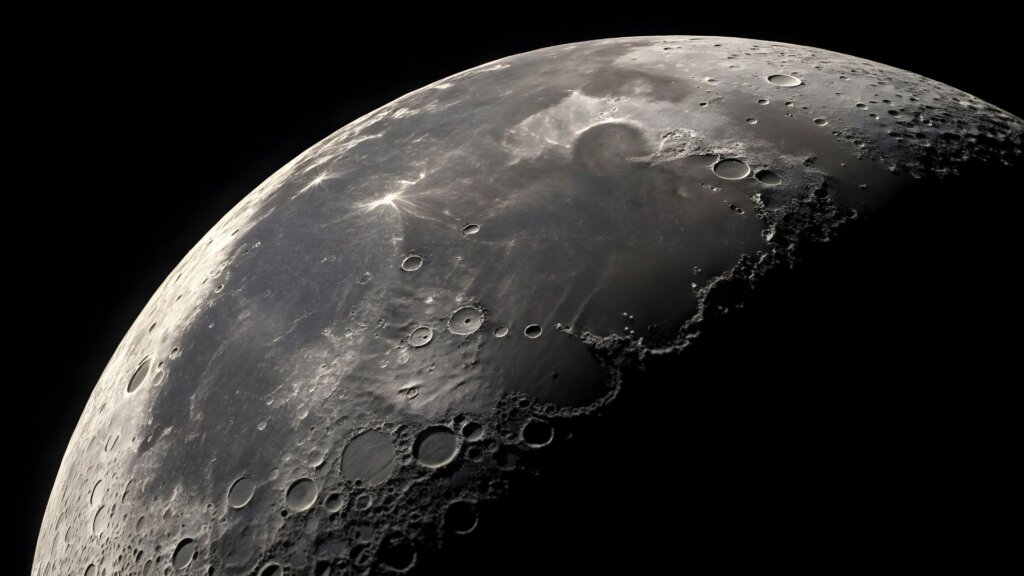
As the crew adjusted to their new vantage point, they cross-referenced what they saw with training materials, confirming they were witnessing the Moon’s far side. This region, permanently turned away from Earth due to tidal locking, offers a view that even seasoned astronauts rarely experience firsthand.
A Historic Return To Lunar Orbit
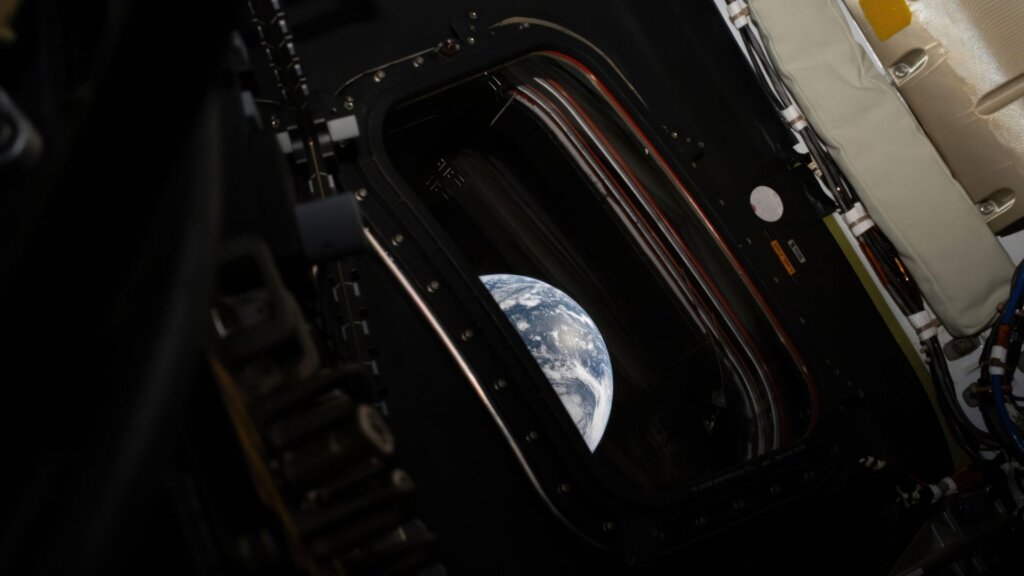
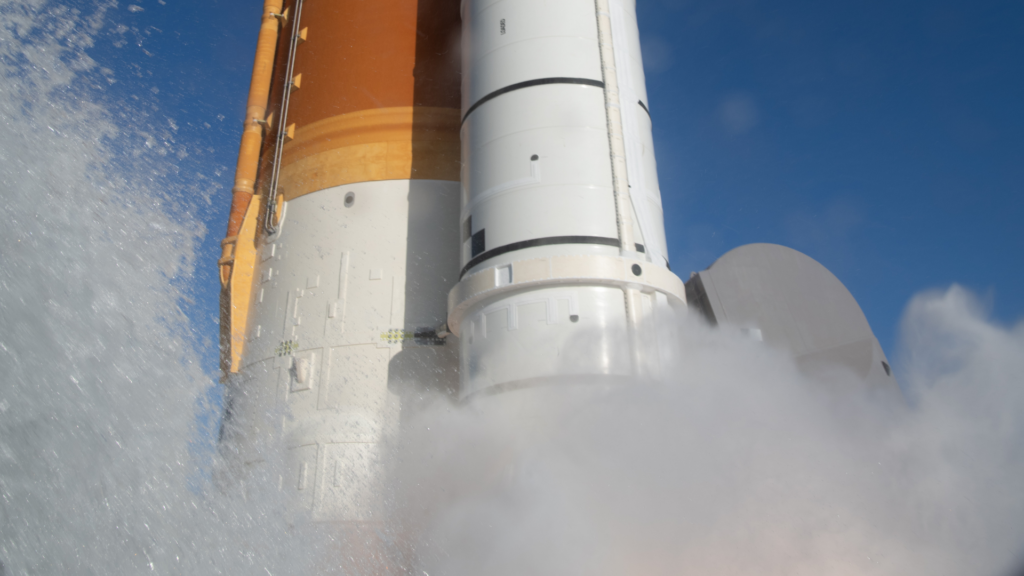
The Artemis II mission marks a significant milestone, carrying astronauts Reid Wiseman, Victor Glover, Christina Koch, and Jeremy Hansen on a 10-day journey around the Moon. It is the first crewed lunar mission in over half a century and the debut of NASA’s Space Launch System and Orion capsule in human spaceflight.
A Unique Perspective Between Earth And Moon
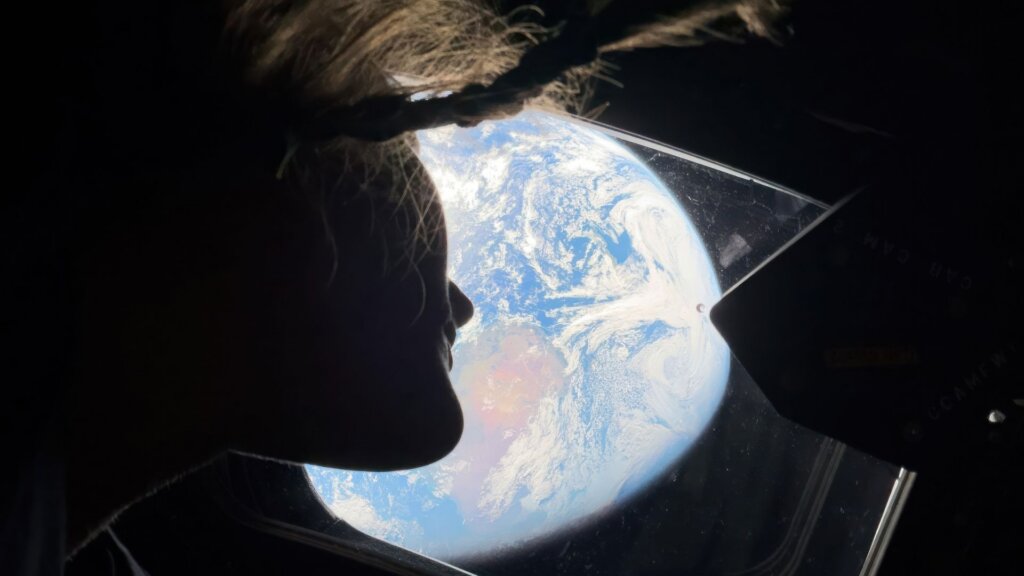
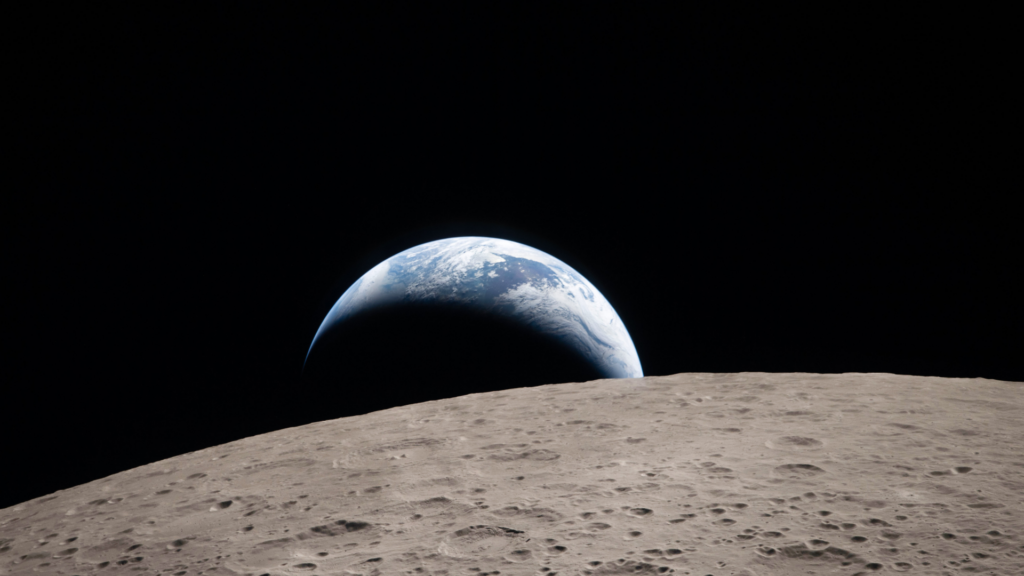
Positioned between Earth and the Moon, the crew described a breathtaking alignment, Earth appearing dimmed while the Moon was fully illuminated. This rare vantage point provides not only stunning visuals but also valuable observational data that cannot be replicated from Earth’s surface.
Life Inside The Orion Capsule
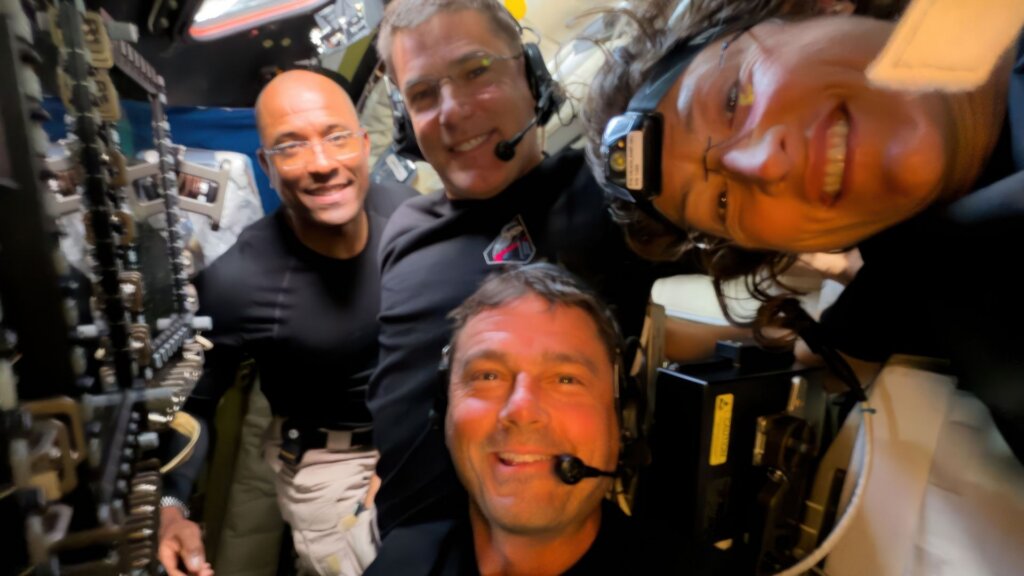
Despite the grandeur of space, daily life aboard Orion remains grounded in routine human needs. Within a space roughly the size of a camper van, astronauts balance scientific observation with basic tasks like sleeping, organizing supplies, and maintaining personal comfort.
The Human Side Of Space Exploration
Koch reflected on the contrast between extraordinary exploration and ordinary habits, describing moments where awe gives way to simple concerns like finding clean socks. This duality underscores that even in space, human experience remains deeply relatable.
Staying Connected Across Space
Amid their mission, the crew took time to communicate with family members, a moment described as deeply emotional. These interactions provide psychological grounding, reminding astronauts of their connection to life on Earth even as they travel farther away than ever before.
Preparing For Lunar Influence

As Orion approaches the Moon, it enters a region where lunar gravity becomes dominant. This transition is critical for navigation and sets the stage for the flyby, allowing the spacecraft to maneuver precisely while gathering scientific data.
Exploring The Moon’s Hidden Terrain
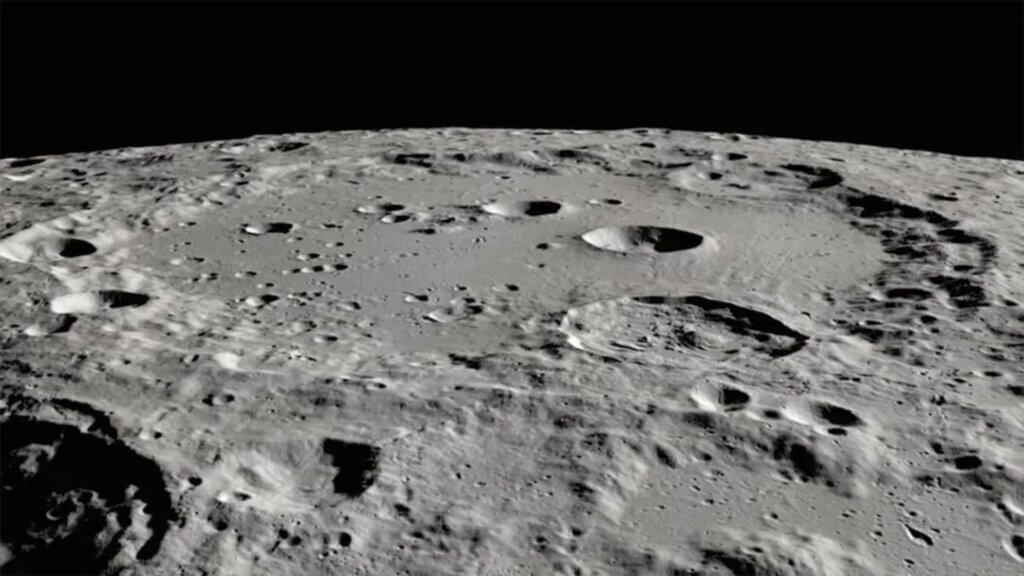
During the six-hour flyby, astronauts observe areas of the Moon never visible from Earth, capturing images of craters, ridges, and ancient lava formations. These observations may deepen scientific understanding of the Moon’s formation and offer clues about the early solar system.
A Journey Marked By Records And Reflection

Reaching a distance farther than any humans before, the Artemis II crew surpasses previous records while witnessing phenomena like a solar eclipse from space. Beyond the technical achievements, the experience evokes humility and wonder, reinforcing the profound impact of seeing Earth and the Moon from such an extraordinary distance.