

Products are selected by our editors, we may earn commission from links on this page.
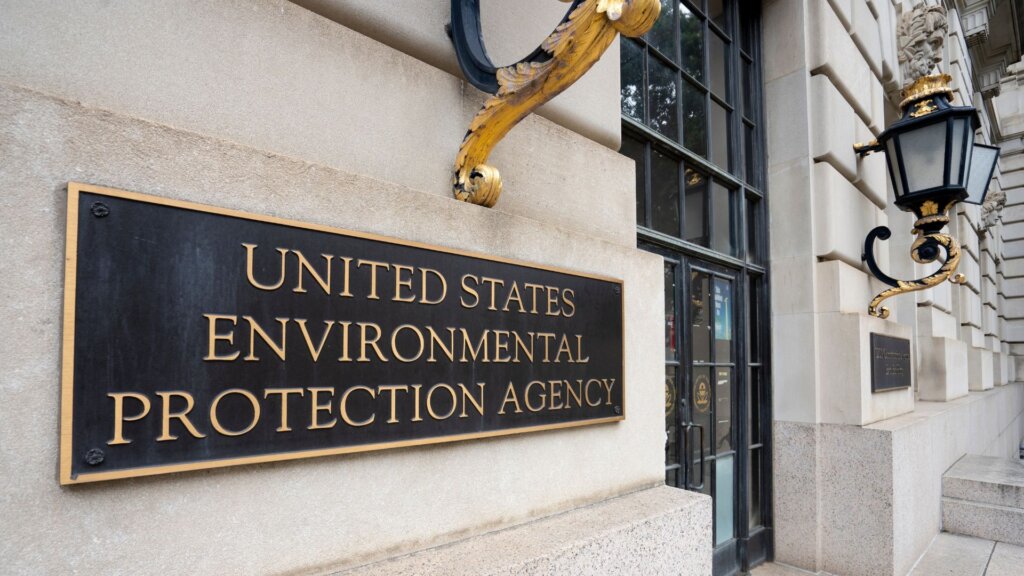
The Trump administration announced Monday it is rolling back federal drinking water limits on four types of PFAS, a class of synthetic chemicals tied to cancer, thyroid disease, liver damage, and hormone disruption. The decision affects four specific compounds, leaving millions of Americans whose water contains those chemicals without a federal safety standard while the EPA restarts its regulatory process from scratch.
These Chemicals Have Been in Everyday Products Since the 1940s

PFAS, short for per- and polyfluoroalkyl substances, are found in nonstick cookware, stain-resistant clothing, food packaging, dental floss, baby bibs, and firefighting foam. Because they resist breaking down in the environment and accumulate in the body over time, they are widely known as “forever chemicals.” A 2023 federal study found PFAS in nearly half of all tap water samples drawn from public systems and private wells across the country.
The EPA Says the Biden-Era Rule Didn’t Follow the Law
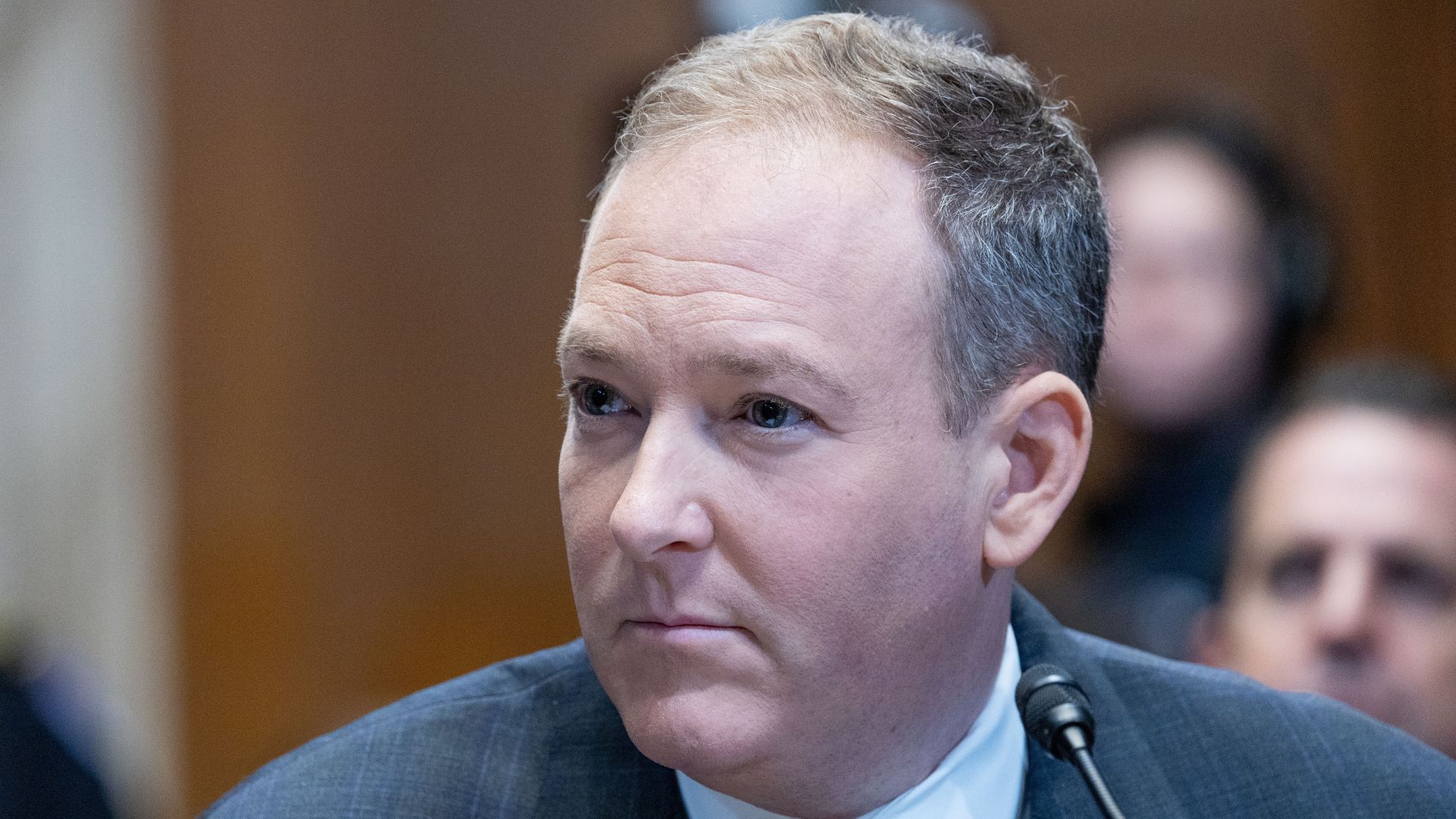
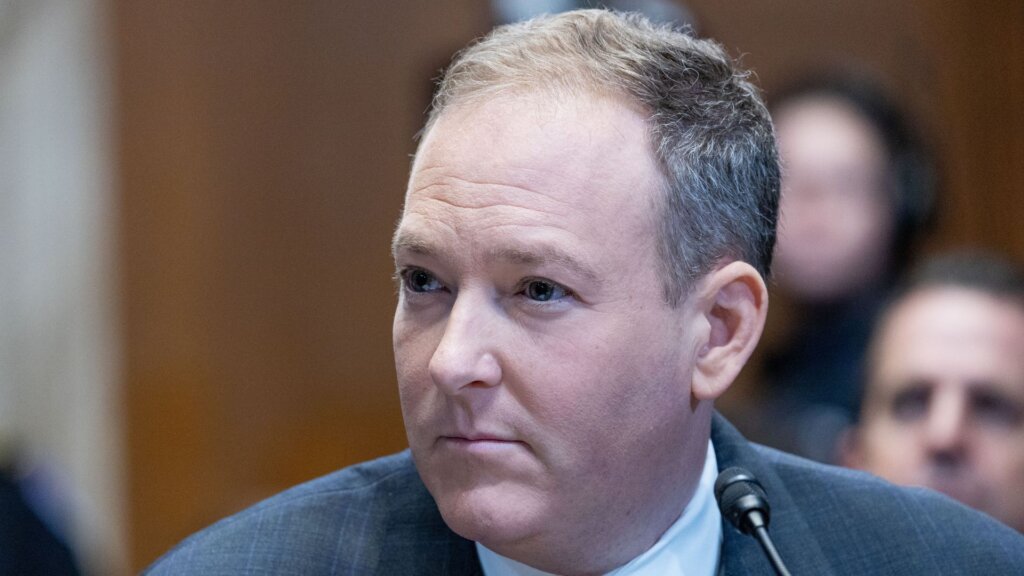
EPA Administrator Lee Zeldin, appearing alongside Health and Human Services Secretary Robert F. Kennedy Jr., said the Biden administration failed to follow the procedural requirements of the Safe Drinking Water Act when it finalized the 2024 limits, leaving the rule exposed to litigation. Zeldin said the agency will “rescind and restart” regulations on four compounds — PFNA, PFHxS, HFPO-DA, and a closely related fourth substance — including limits on mixtures of those chemicals.
Two of the Most Dangerous Chemicals Keep Their Limits, for Now
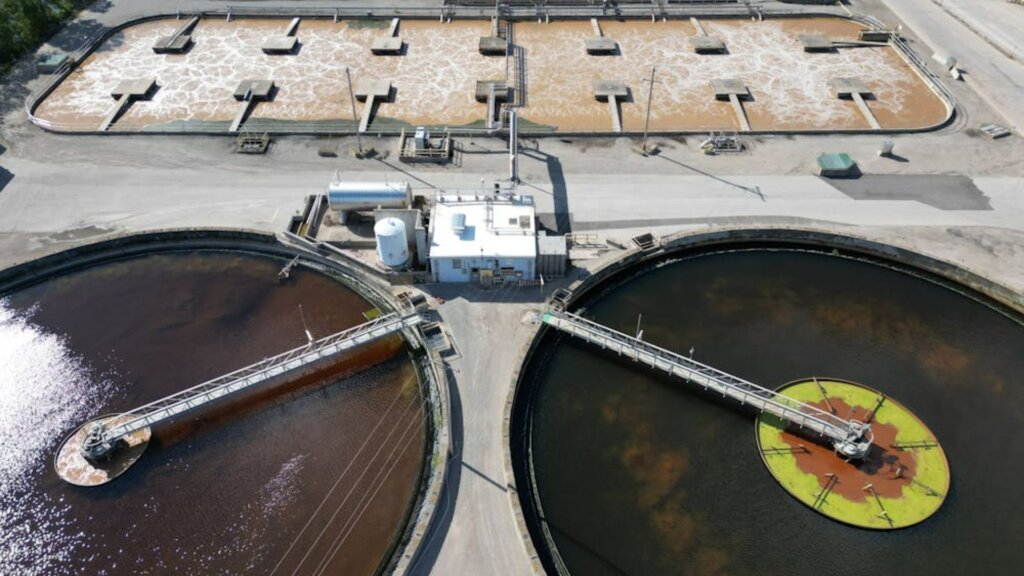
Protections for perfluorooctanoic acid (PFOA) and perfluorooctanesulfonic acid (PFOS), the two most studied PFAS compounds, will remain in place. The Biden administration capped both at 4 parts per trillion, the lowest level at which they can be reliably detected, after determining there is no safe concentration of either in drinking water. Water systems may now request a two-year compliance extension, shifting their deadline from 2029 to 2031.
GenX Has Already Contaminated Drinking Water in North Carolina

GenX is not a hypothetical risk. The compound has contaminated a major drinking water source in North Carolina. Chemical industry groups, including the American Chemistry Council and the National Association of Manufacturers, had filed a joint lawsuit calling the Biden-era limits “arbitrary” and an “abuse of discretion,” a case that was already before the U.S. Court of Appeals for the DC Circuit when the rollback was announced.
Water Utilities Argued Compliance Costs Would Fall on Residents

Municipal water associations objected to the original rule, arguing compliance costs should fall on polluters rather than local water systems and their customers. Utility groups told The New York Times actual costs ran more than double the Biden administration’s estimate of roughly $1.5 billion annually, and that lead pipe replacement mandates would push water bills even higher. Zeldin announced nearly $1 billion for states, drawn from a 2021 bipartisan infrastructure law.
Environmental Groups Say the Rollback May Break Federal Law

Environmental and public health advocates said the move may violate the Safe Drinking Water Act’s anti-backsliding provision, which requires that any revision to a drinking water standard maintain or improve public health protections. Eric Olson, senior strategic director for health at the Natural Resources Defense Council, told CNN that both the revocation of the four standards and the extended compliance deadlines for PFOA and PFOS “violate the letter and intent of the law.”
Frustration Came From Within Trump’s Own Coalition

Pushback came from within Trump’s own coalition as well. Alexandra Muñoz, a molecular toxicologist and MAHA activist, told The New York Times she was skeptical the EPA would ever regulate GenX meaningfully if willing to restart the process. Kelly Ryerson, known online as the Glyphosate Girl, also spoke to the Times, warning the move could cost the administration politically ahead of the midterms.
Zeldin Once Championed PFAS Regulation From His Own Polluted District

Zeldin’s decision carries a particular weight given his own history with the issue. As a Republican House member representing Long Island, one of the most PFAS-contaminated regions in the country, he served on a congressional PFAS task force from 2019 to 2023 and backed legislation to regulate the chemicals. Long Island’s contamination has been extensively documented, with PFAS turning up in communities across the region at levels among the highest recorded in the country.
The Path to New Regulations Could Take Years
The EPA’s decision resets years of regulatory work on four of the six PFAS compounds that had federal limits. A new rulemaking process will now determine whether and how to regulate them, a timeline that typically spans years. Until then, communities whose water contains those substances have no federal enforceable standard. PFAS contamination also reaches the food supply, with the Environmental Working Group finding the chemicals in up to 60 percent of produce on its annual “Dirty Dozen” list.