

Products are selected by our editors, we may earn commission from links on this page.
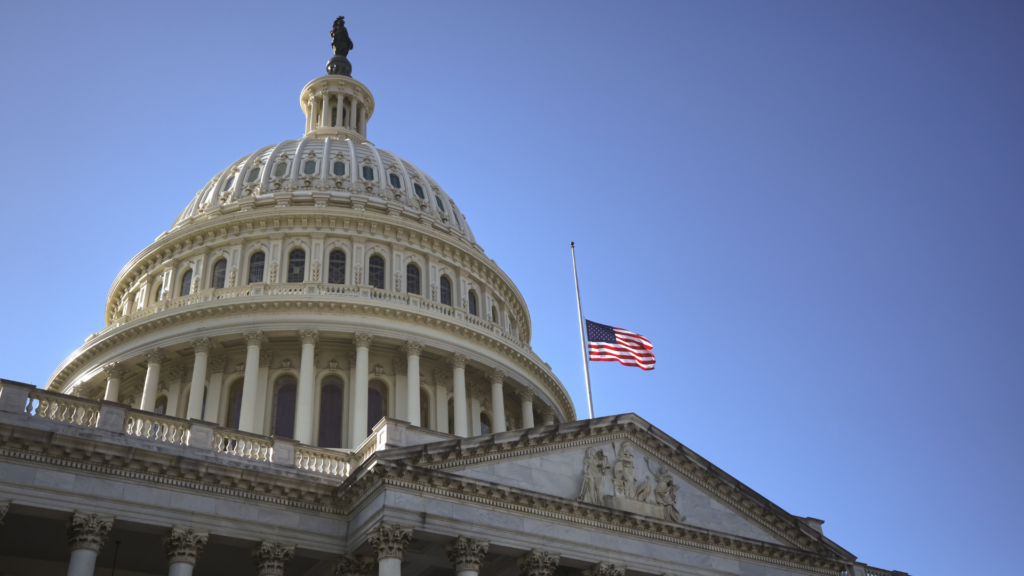
The Trump administration is backing a proposal to overhaul a U.S. radiation protection policy that has guided federal safety practices for roughly five decades. At the center of the debate is the “As Low As Reasonably Achievable” principle, commonly known as ALARA, which encourages facilities to minimize radiation exposure even when levels remain below legal limits. Supporters say the proposed changes would modernize regulations and provide greater clarity, while critics warn they could weaken longstanding public health protections.
What Is the ALARA Principle?

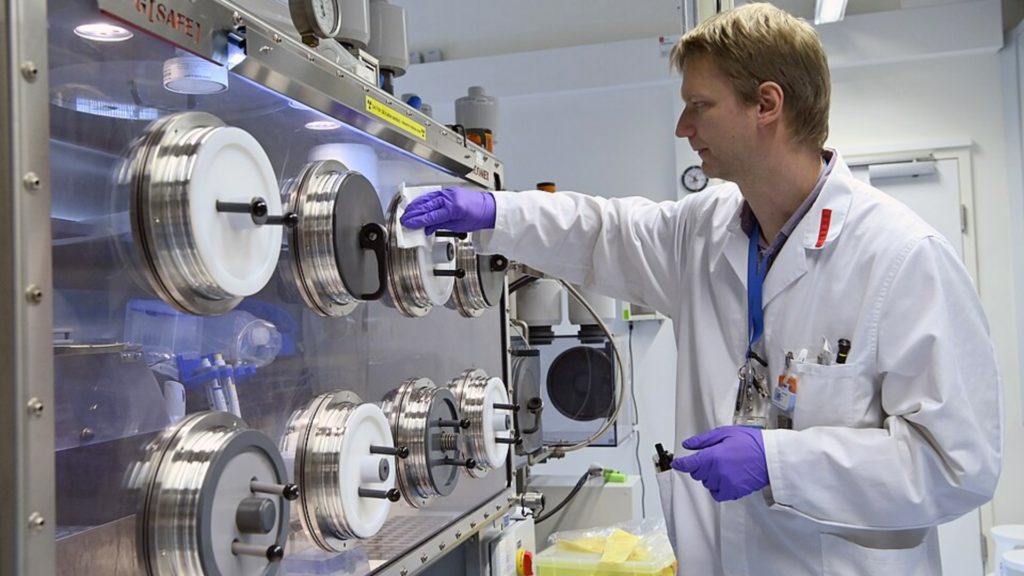
Since the 1970s, ALARA has required organizations that use radioactive materials to keep radiation exposure as low as reasonably achievable by considering technology, cost, and practicality. The principle works alongside federal exposure limits rather than replacing them, encouraging facilities to reduce unnecessary radiation whenever possible. It has become a cornerstone of radiation safety in nuclear plants, hospitals, research laboratories, and other regulated facilities.
The Proposed Rule Would Replace ALARA
The U.S. Nuclear Regulatory Commission (NRC) has proposed replacing ALARA with what it calls a “graded approach.” Under the proposal, legal radiation exposure limits would remain unchanged, but radiation protection measures would be adjusted based on how close exposure levels come to those limits. NRC officials say the goal is to create more objective, predictable standards rather than relying on a principle they view as open to interpretation.
The Proposal Is Part of a Broader Nuclear Energy Strategy
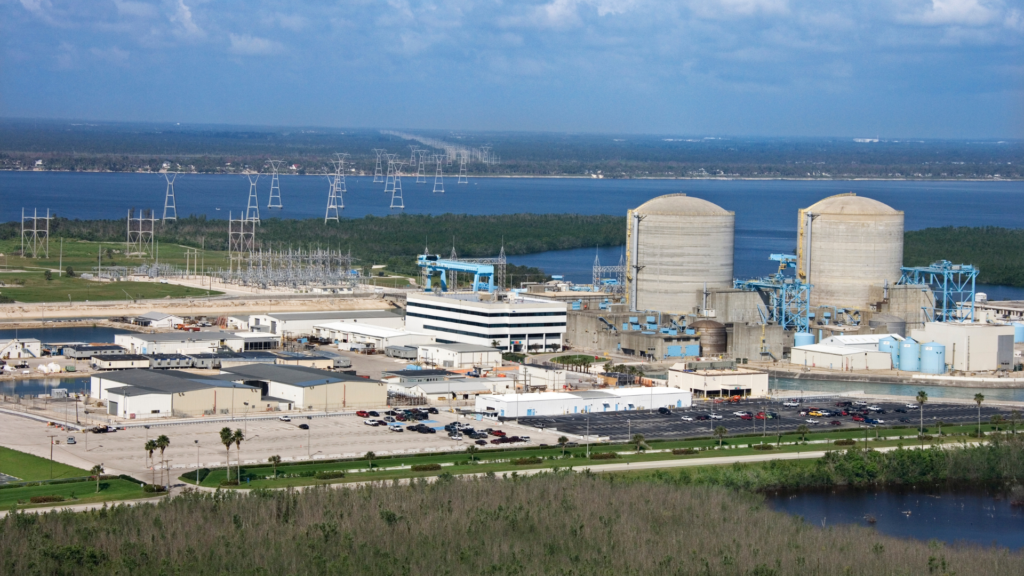
The proposed policy change comes as the administration seeks to accelerate nuclear energy development in the United States. Officials argue that expanding nuclear power will help meet growing electricity demand driven by artificial intelligence, data centers, and electrification while providing reliable low-carbon energy. Streamlining regulations is viewed as one component of that broader effort.
Supporters Say the Rules Need Modernization
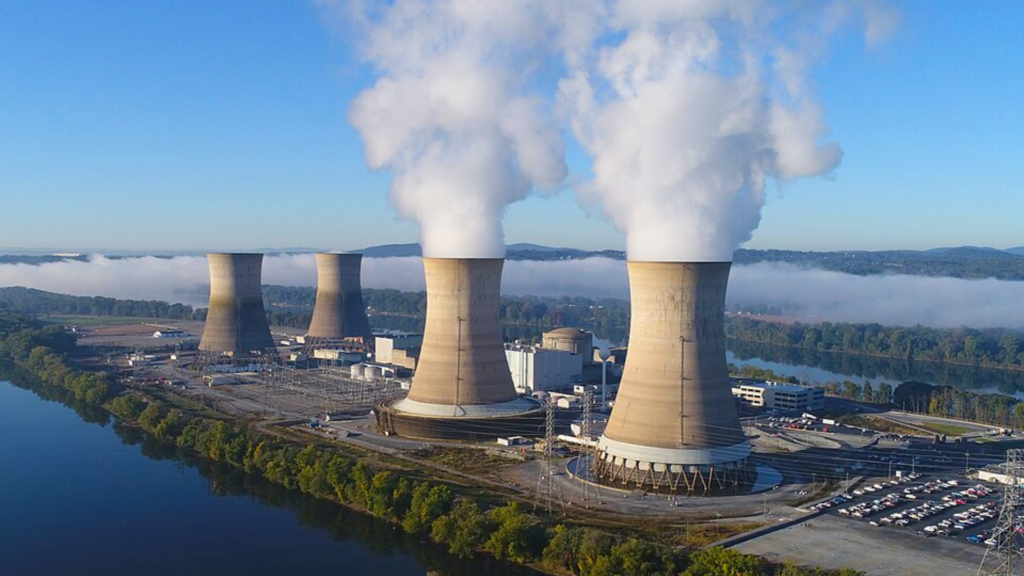
Supporters of the proposal argue that ALARA has sometimes created regulatory uncertainty because the term “reasonably achievable” can be interpreted differently. They say clearer, risk-based standards could simplify compliance, reduce unnecessary costs, and make it easier to license advanced nuclear technologies without lowering legal exposure limits. NRC leadership maintains that the proposal does not reduce overall safety standards.
Critics Fear Radiation Exposure Could Increase
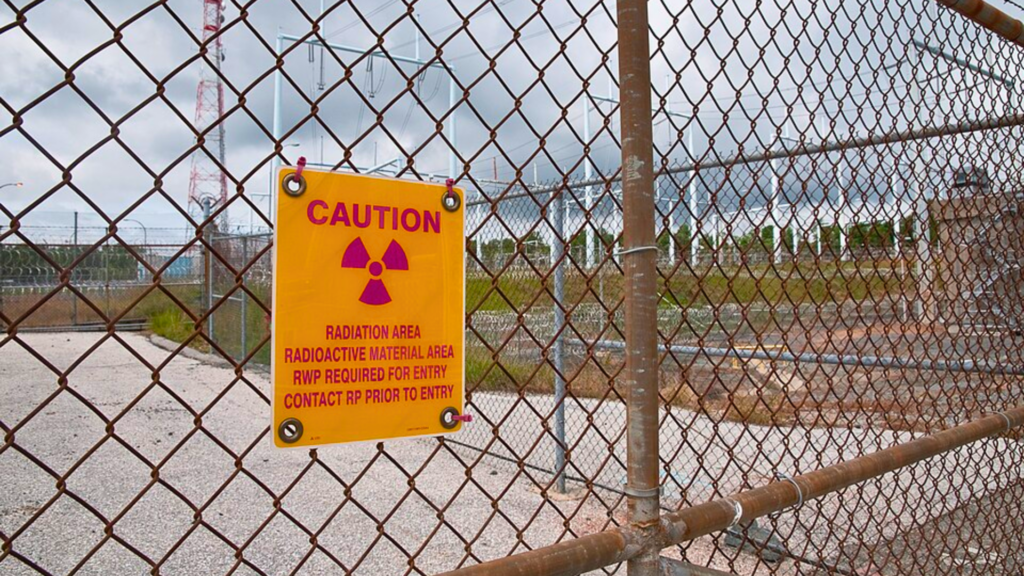
Many radiation experts and public health advocates oppose eliminating ALARA. They argue that while exposure limits may remain the same, removing the longstanding principle could allow facilities to tolerate higher routine radiation exposures that previously would have been reduced whenever practical. Critics also note that even relatively low levels of radiation are associated with an increased lifetime risk of cancer, making efforts to minimize exposure especially important.
International Standards Remain Part of the Debate
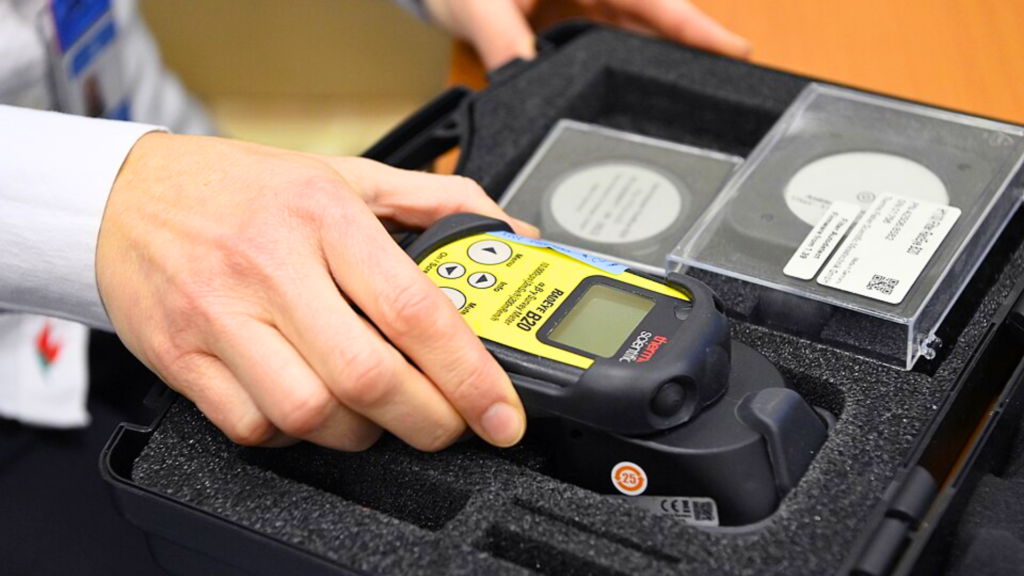
Another issue raised by experts is whether the United States could diverge from international radiation safety practices. Organizations such as the International Commission on Radiological Protection continue to recommend minimizing unnecessary radiation exposure alongside dose limits. Some researchers believe maintaining consistency with international standards is important for worker safety, research collaboration, and public confidence.
The Rule Change Is Still Under Review
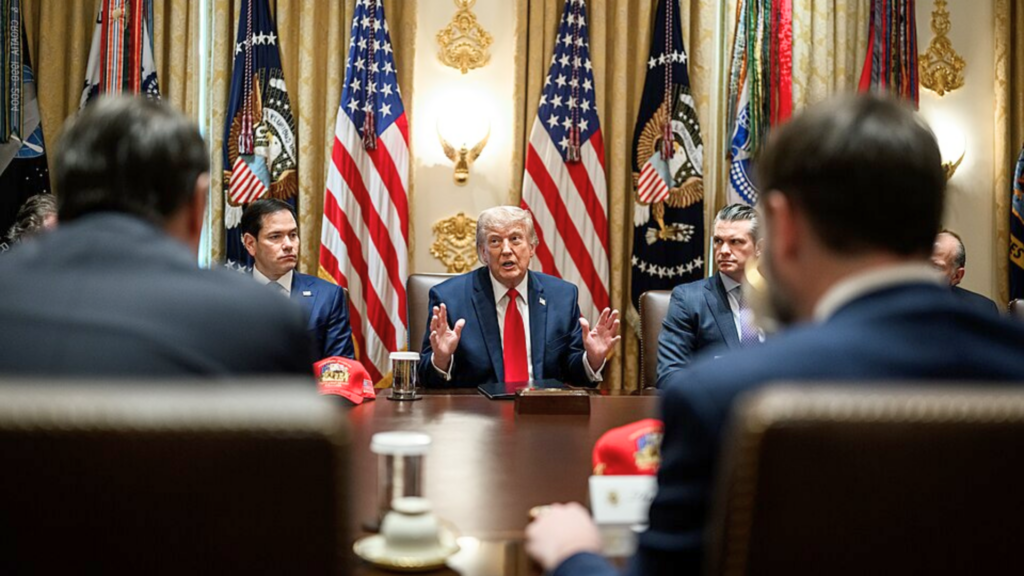
The proposed regulation has not yet taken effect. The NRC is collecting public comments and reviewing feedback from industry groups, scientists, medical organizations, and other stakeholders before issuing a final rule. As with many federal regulatory changes, the proposal could be revised before implementation or face legal challenges after final approval.
The Decision Could Shape Radiation Safety for Years

If adopted, the revised policy would influence radiation safety practices across a wide range of industries, including nuclear power generation, medical imaging, industrial manufacturing, and scientific research. Because ALARA has guided U.S. radiation protection for approximately 50 years, any significant revision would represent one of the most consequential regulatory changes in decades. Supporters and critics alike agree the decision will have long-term implications for both energy policy and public health.
A Major Debate Over Safety and Energy Policy
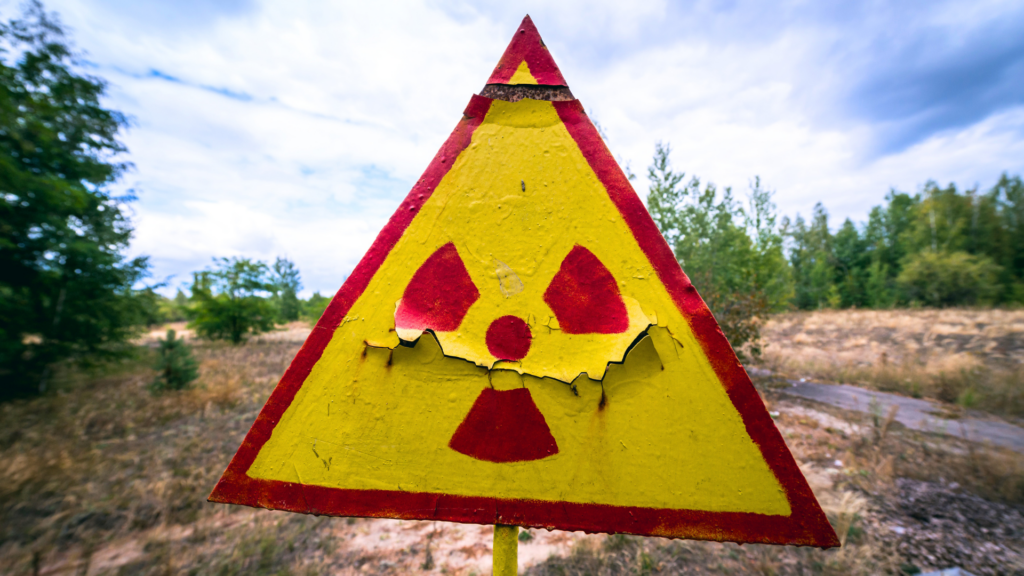
The proposed overhaul of America’s longstanding radiation protection policy reflects a broader debate over how to balance public safety with efforts to expand nuclear energy production. Administration officials say the changes would modernize regulations without weakening legal exposure limits, while many scientists argue the ALARA principle has played an important role in minimizing unnecessary radiation for decades. As federal regulators review public comments and consider the final rule, the outcome could shape U.S. radiation safety standards for years to come.