

Products are selected by our editors, we may earn commission from links on this page.
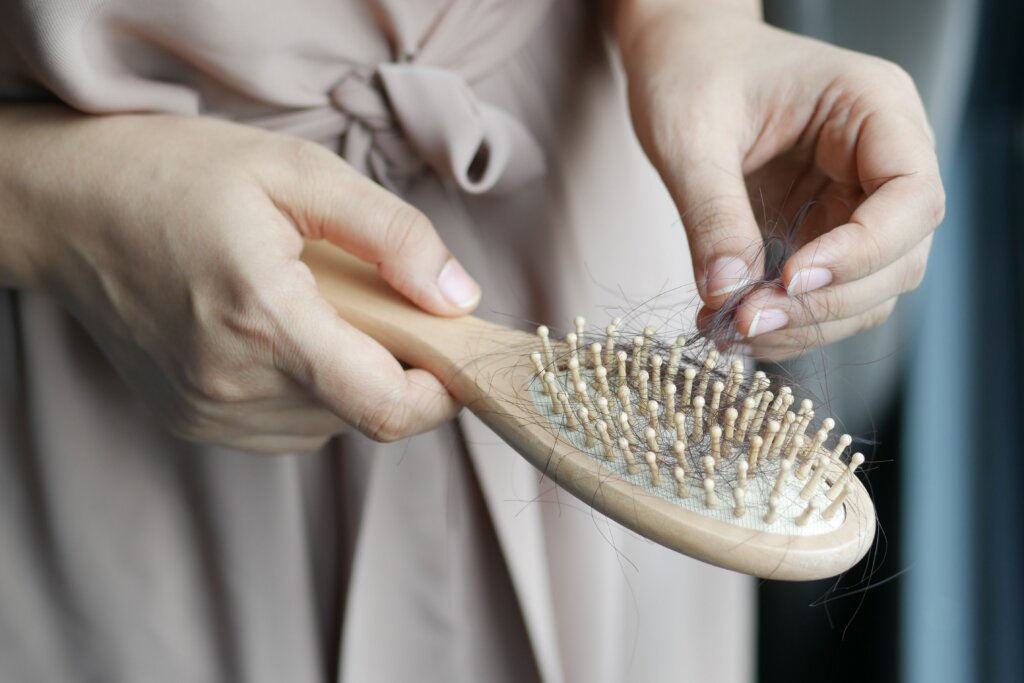
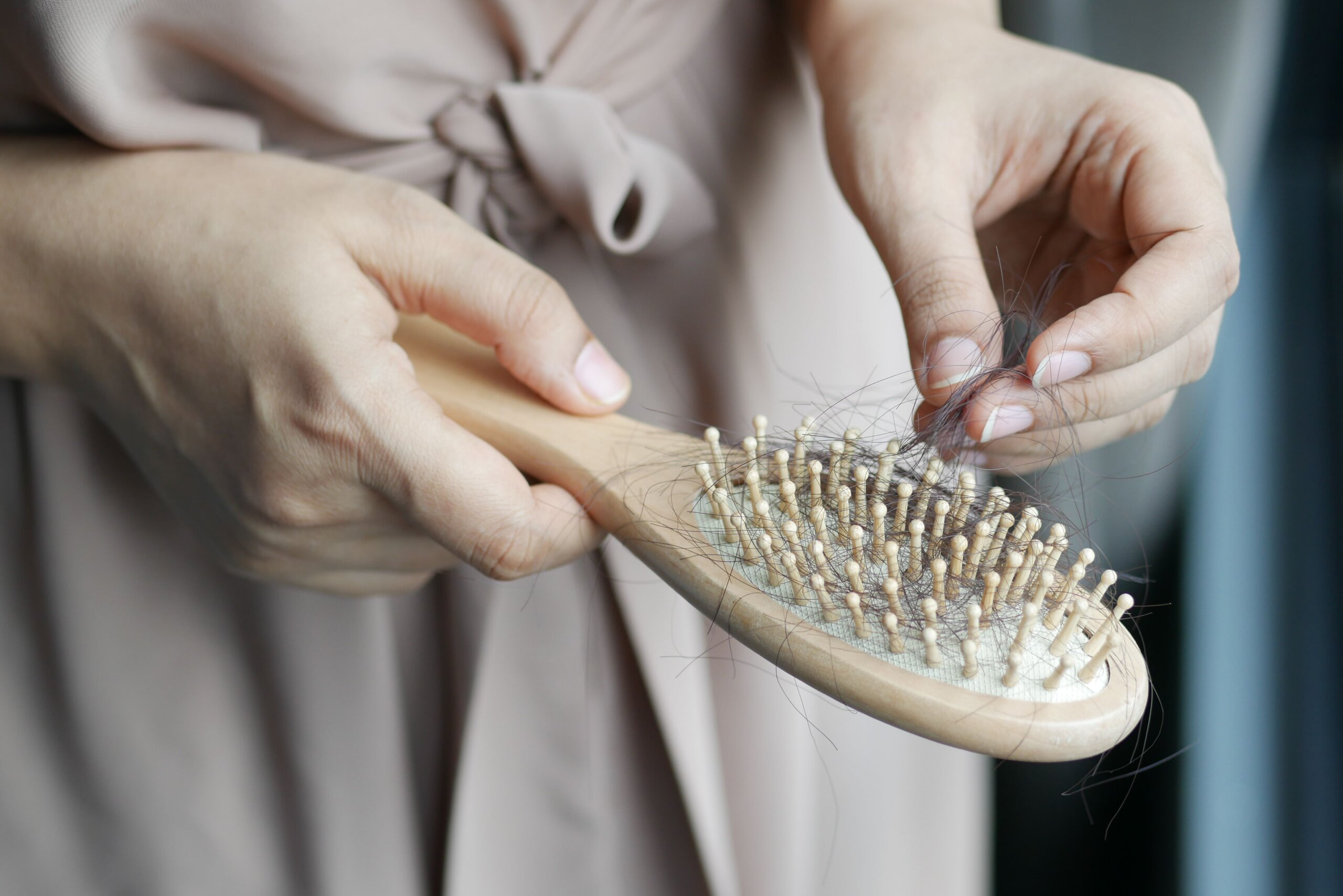
There is a uniquely unsettling moment when you look at your shower drain and wonder how all that hair can possibly still be attached to your head. The reassuring answer is that some of it was supposed to leave. The American Academy of Dermatology says shedding 50 to 100 hairs a day is normal, while Cleveland Clinic puts the average range as high as 50 to 150. With roughly 100,000 or more follicles on the scalp, those departing strands can be part of an ordinary renewal process rather than evidence that you are going bald.
This article was created with the assistance of AI and reviewed by our editorial team for accuracy and clarity.
Your Hair Is Constantly Clocking In And Out
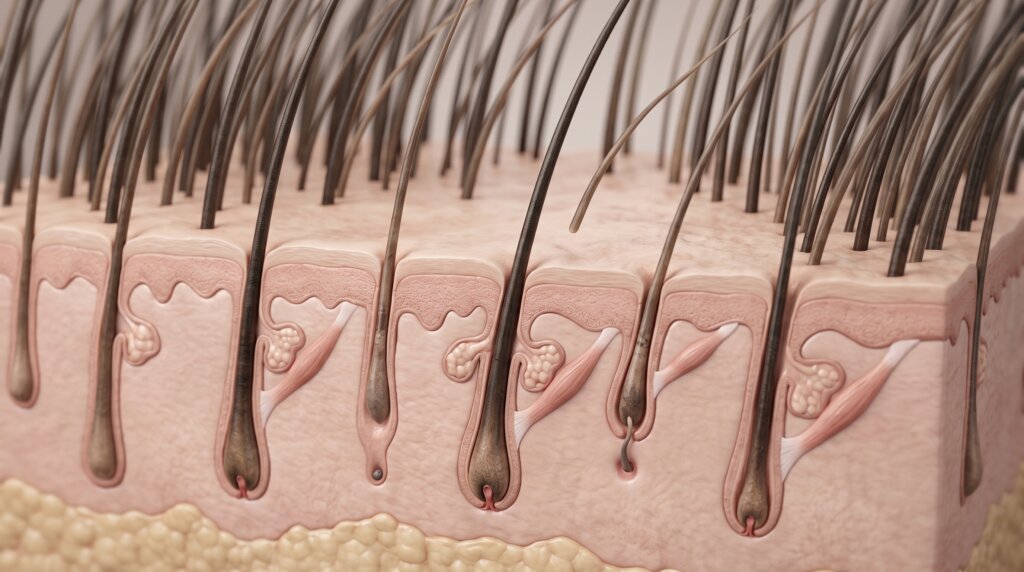
Hair may look static, but underneath the surface it is cycling through different jobs. Cleveland Clinic dermatologist Dr. Wilma Bergfeld describes three main stages: the anagen phase, when hair grows for two to eight years; the catagen phase, a two-to-six-week transition when follicles shrink; and the telogen phase, a two-to-four-month resting period that ends in shedding. The strand that lands on your shirt or pillow may therefore be making room for another. Everyday Health similarly reports that about 10% of hairs can be in the shedding stage at a given time.
The Shower Drain Can Play Tricks On You
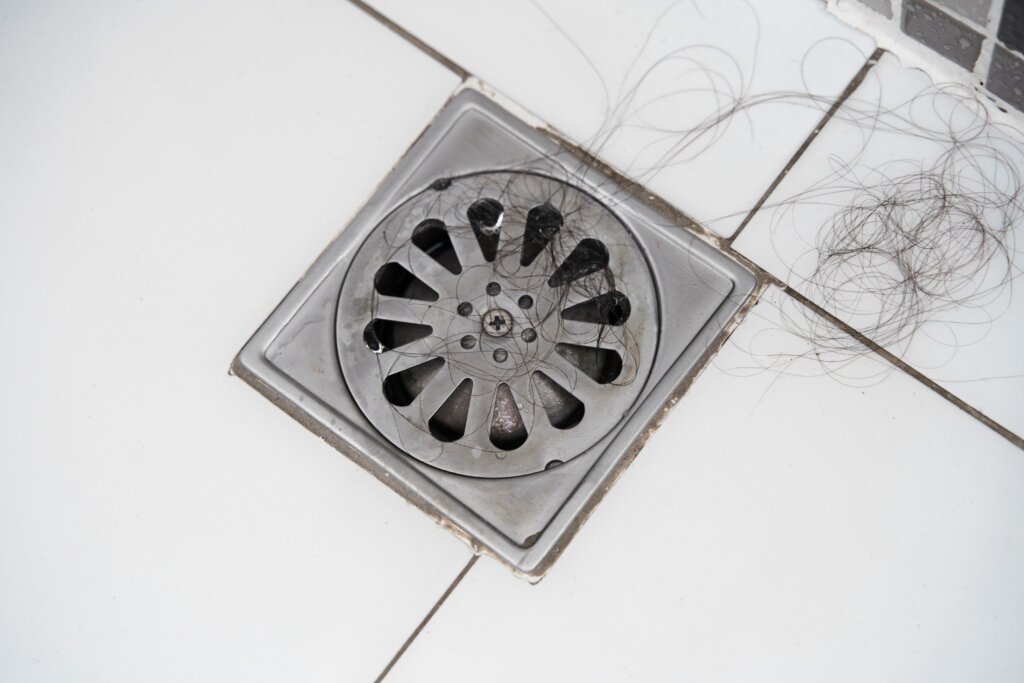
The shower is where perfectly routine shedding can suddenly look dramatic. Dermatologist Dr. Dina Strachan explains that shampooing loosens hairs already near the end of their growth cycle, while water helps dislodge them. Washing less frequently can make the pile especially impressive because several days of loose strands may emerge together. Long hair magnifies the effect visually, too. One Reddit commenter with very long hair described removing what seemed like “fistfuls” after washing just once a week. The spectacle can be alarming even when those hairs did not all detach that day.
The Number 100 Doesn’t Tell The Whole Story

Counting every strand may sound scientific, but your own baseline can be more useful than chasing a universal magic number. Trichologist David Kingsley offers a striking example: someone who normally loses around 45 hairs daily but suddenly starts losing 90 is still technically within the commonly cited 50-to-100 range, yet their shedding has doubled. Hair thickness, length, texture, and grooming frequency also influence what you see. His advice is simple: compare today’s shedding with your own history, not somebody else’s hairbrush.
Sometimes Your Hair Reacts Months Later

The confusing part is that excessive shedding does not always arrive when the trigger does. The AAD says telogen effluvium, the medical term for excessive shedding, can appear months after major stressors such as childbirth, significant weight loss, high fever, surgery, illness, or intense psychological stress. A new mother, for example, may notice increased shedding about two months after delivery, with it peaking around four months. In many cases, the shedding eventually settles and normal fullness returns within six to nine months.
Shedding And Hair Loss Aren’t The Same Thing
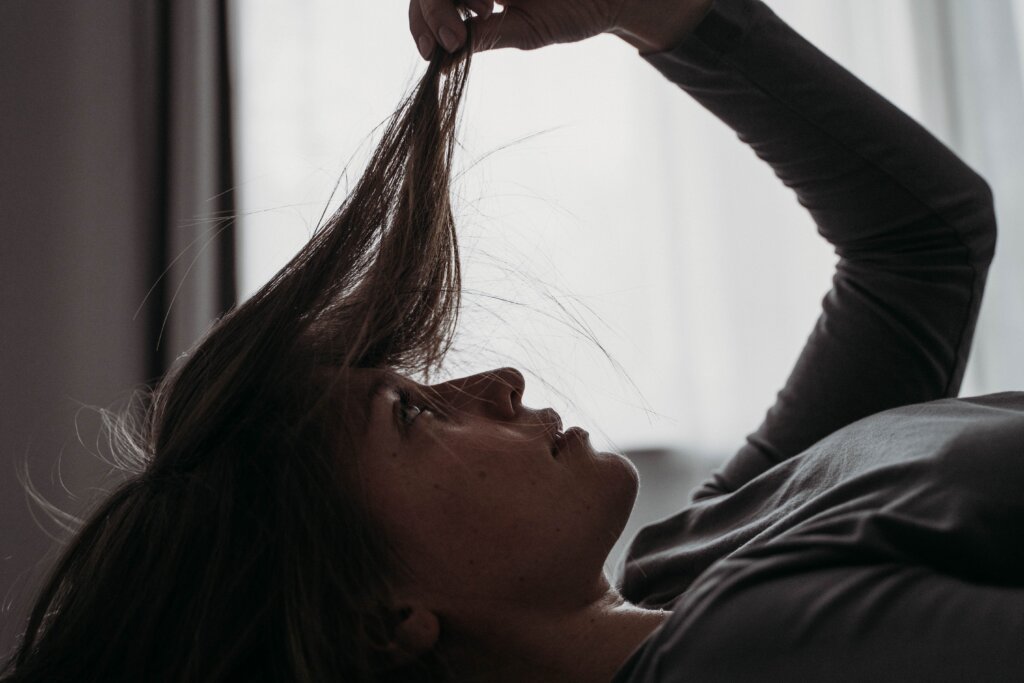
This distinction changes the entire conversation. With shedding, a strand falls, but its follicle remains capable of producing another hair. True hair loss means something has disrupted growth, so replacement does not proceed normally until the underlying cause is addressed. The AAD points to hereditary hair loss, immune-system conditions, certain drugs and treatments, harsh products, and hairstyles that repeatedly pull on follicles among possible causes. In other words, finding hair in the drain tells you that strands have departed. It does not, by itself, tell you whether they are coming back.
Your Ponytail May Tell You More Than The Drain

Rather than obsessively counting strands, watch what is happening to the hair still on your head. Board-certified dermatologist Dr. Amy McMichael lists bald spots, patchy loss, large clumps, scalp irritation, itching or tenderness, and thinning of eyebrows or eyelashes among signs warranting medical attention. Kingsley also points to a noticeable change in ponytail thickness. Everyday Health recommends seeking professional advice when increased shedding persists for roughly four to six weeks, while Martha Stewart cites Kingsley flagging shedding beyond two to four weeks.
Stress, Iron And Medications Can Enter The Picture

When shedding really has increased, the list of potential triggers extends well beyond shampoo. Everyday Health identifies childbirth, major surgery, severe infection, malnutrition, hormonal changes, significant weight loss, and iron deficiency among possibilities, while some antidepressants and blood thinners can also be associated with hair loss. The real-world uncertainty appears clearly in an r/beauty discussion where a 32-year-old worried about declining hair density prompted commenters to share experiences involving thyroid problems and iron deficiency. Those anecdotes cannot diagnose anyone, but they illustrate why a persistent change deserves medical evaluation rather than internet guesswork.
Your Hair Routine Can Add To The Problem

Not every strand on the bathroom floor completed a natural growth cycle. Some hair simply breaks. Everyday Health notes that wet hair is structurally fragile, making aggressive brushing and detangling more likely to snap strands. High heat can damage keratin and leave hair dry and brittle, while repeated tension from tight styles can contribute to traction alopecia. The practical approach is gentler handling: detangle from the ends upward, lower the temperature of hot tools, and pay attention to hairstyles that repeatedly tug at the same areas.
The Change Matters More Than The Clump

Tomorrow’s shower may still leave hair wrapped around your fingers, and that alone is not necessarily a warning sign. What matters going forward is the pattern. A familiar amount of shedding without thinning is very different from suddenly losing clumps, developing bare patches, or watching a once-thick ponytail steadily shrink. Dermatologists can distinguish normal shedding from excessive shedding and forms of hair loss that may require treatment, and the AAD notes that earlier treatment can improve the prognosis for many hair-loss conditions. The goal, then, is not to panic over every fallen strand. It is to notice when your hair stops behaving like your hair.