

Products are selected by our editors, we may earn commission from links on this page.
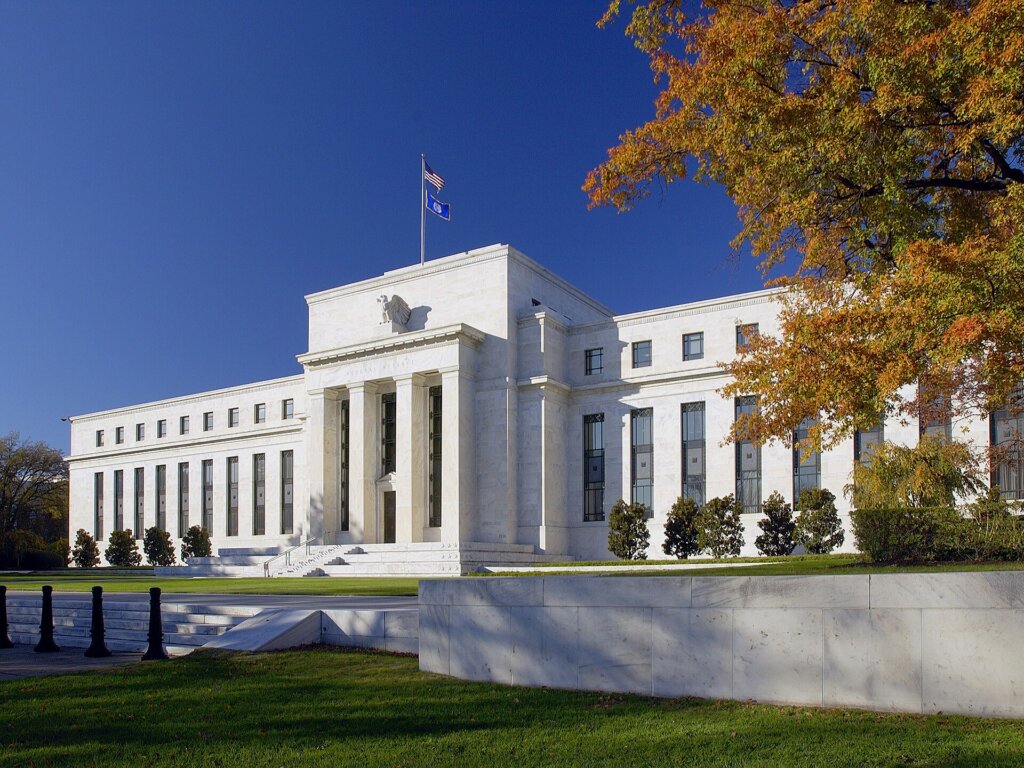
The Federal Reserve is supposed to give you a sense of where interest rates are headed. Right now, it isn’t. New Chair Kevin Warsh has deliberately stopped offering “forward guidance,” the practice of hinting at future rate moves. One economist called the resulting confusion “a complete unforced error.” Here’s what’s actually happening, and why it matters for anyone with a mortgage, a car loan, or a credit card balance.
This article was created with the assistance of AI and reviewed by our editorial team for accuracy and clarity.
What “Forward Guidance” Actually Means
Since 2000, the Fed has typically signaled its likely next moves on interest rates, giving investors and businesses a roadmap. The idea is that predictability helps markets function smoothly. Warsh has broken from that tradition on purpose, arguing that past guidance often locked the Fed into promises the data no longer supported, like when officials insisted early 2020s inflation was “transitory” and were proven wrong.
Inflation Sent Confusing Signals This Summer

Inflation slowed sharply in June, largely because energy prices dropped as tensions briefly eased in the Iran war. That drop led investors to expect the Fed wouldn’t need to raise rates for the first time since July 2023. But conflict in the Middle East soon intensified again, and oil prices spiked back up, undoing the brief relief and leaving the inflation picture murky once more.
Oil Prices Above $100 a Barrel Are a Big Deal

Brent crude, the global oil benchmark, crossed $100 a barrel for the first time since May. Energy costs ripple through nearly everything, gas, shipping, manufacturing, so a sustained spike can push inflation higher across the board. Fed officials generally don’t react to one-time energy price jumps with rate hikes, since those costs are expected to normalize on their own, but a prolonged spike changes that calculus.
Core Inflation Is the Number That Really Matters

When economists want to see through short-term noise like oil price swings, they look at “core inflation,” a measure that strips out volatile food and energy costs. It gives a clearer read on how persistent underlying price pressures actually are. Right now core inflation remains elevated but hasn’t worsened significantly, which is part of why the Fed itself seems split on what to do next.
AI Spending Is Adding a New Wrinkle

Massive investment in AI data centers is now a genuine inflation concern at the Fed. Meeting minutes noted that strong demand for AI infrastructure is likely sustaining upward pressure on prices for technology products and electricity. Economic growth driven partly by this AI buildout has been outpacing potential output, which policymakers say could make inflation more persistent than expected.
Even Fed Officials Don’t Agree With Each Other

In March, not a single Fed policymaker projected a rate increase for the year, and the median forecast was actually a rate cut. By June, projections had swung toward a hike, and three officials now want to raise rates at once, despite no major change in core inflation. That kind of reversal, without a clear explanation, is exactly what’s fueling the sense of confusion around the Fed’s next move.
Why This Matters for Your Wallet

Fed decisions ripple into mortgage rates, auto loans, credit card APRs, and savings account yields. But here’s something often missed: mortgage rates decoupled from the Fed’s benchmark rate back in 2008, when the interbank lending market changed structurally. That means watching the Fed funds rate alone doesn’t tell the full story of where your own borrowing costs are headed.
Markets Don’t Like Not Knowing What’s Next

Uncertainty itself has consequences. Economist Narayana Kocherlakota argues the lack of clear guidance is likely to increase market volatility and make businesses more hesitant to invest or hire, since they can’t predict how the Fed will react to changing conditions. Others push back, arguing that years of over-explained forward guidance had become so dissected it stopped being useful anyway.
What Happens Next

Without an objective, publicly shared framework for setting rates, expect more unpredictable swings in Fed messaging in the months ahead. Some economists argue the fix is straightforward: adopt a clear, rules-based approach to rate decisions that the public can actually track, rather than parsing vague press conference language. Until that happens, the safest move for consumers is watching actual loan and savings rates directly, not just guessing at the Fed’s next headline.