


Products are selected by our editors, we may earn commission from links on this page.

Herbal and dietary supplements are often marketed as natural ways to support weight loss, energy, stress relief or general health, but some have been linked to serious liver injuries that can require hospitalization. A 2026 review from Michigan Medicine found that the share of acute liver failure cases attributed to herbal and dietary supplements rose from 9.7% during 1998 to 2007 to 22% during 2008 to 2018. Researchers say ingredients including ashwagandha, turmeric and green tea extract have drawn particular attention as supplement-related liver injuries become a growing part of the problem.
The Liver Takes the Brunt of What We Consume

The liver processes many substances that enter the body, which means concentrated compounds from supplements can expose it to ingredients capable of causing injury. Drug-induced liver injury can range from elevated liver enzymes to severe damage, acute liver failure and, in some cases, the need for a liver transplant. The National Center for Complementary and Integrative Health warns that although serious supplement-related liver injury remains uncommon, reported cases can be severe and sometimes fatal.
Millions May Be Taking Potentially Risky Products
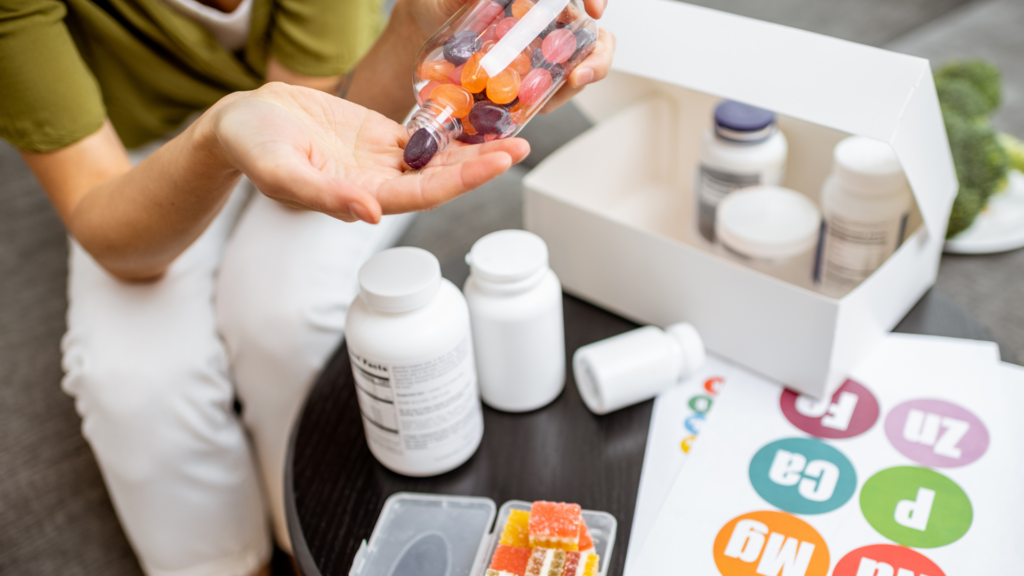
The concern is not limited to a small group of people experimenting with obscure products because researchers estimate that as many as 15 million Americans take one of six herbal supplements that may potentially damage the liver. Products used for weight loss, energy, muscle building and other health goals can contain concentrated botanical extracts that are very different from consuming the whole plant as food. Because many people consider supplements harmless, they may continue taking them without discussing them with a doctor.
Green Tea Extract and Turmeric Have Drawn Attention
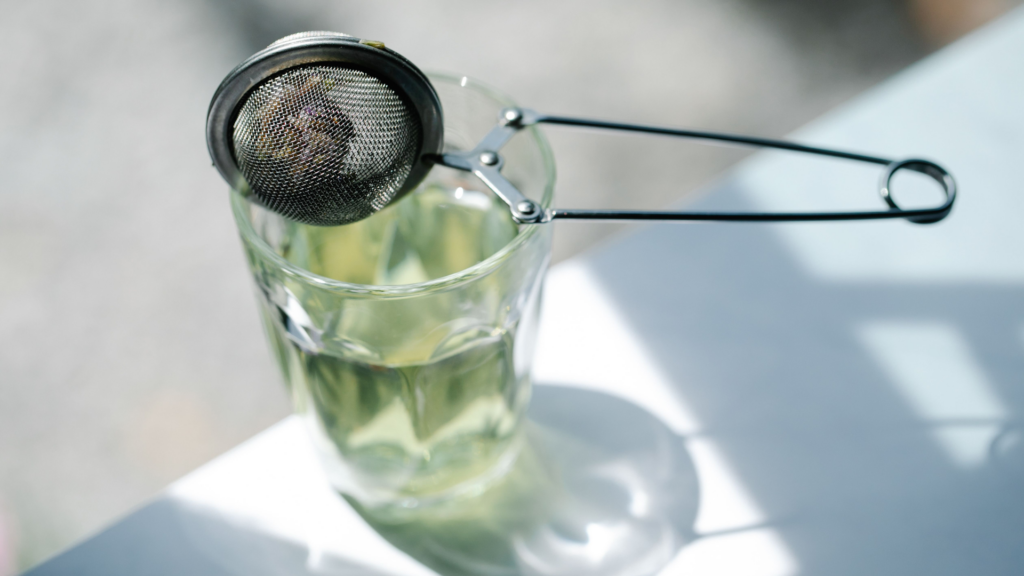
Green tea extract and turmeric or curcumin products have been repeatedly identified in research and clinical discussions involving supplement-related liver injury. Other ingredients that have been associated with liver problems include ashwagandha, kava, kratom, garcinia cambogia and certain traditional herbal products, although the presence of an ingredient on a warning list does not mean that every person who takes it will develop liver damage. The risk can depend on the specific product, dose, formulation, individual susceptibility and other substances a person is taking.
“Natural” Does Not Automatically Mean Safe
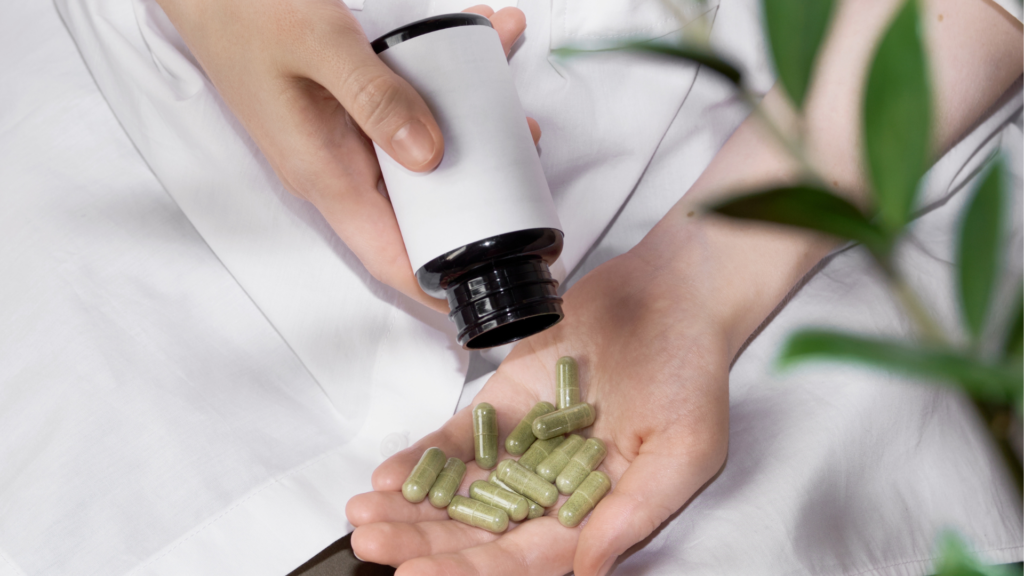
The word natural describes where an ingredient comes from, not whether a concentrated product is harmless or appropriate for everyone. NCCIH specifically warns that natural products can cause serious side effects and notes that kava, for example, can cause liver disease despite being a plant-based supplement. Concentrated extracts can also deliver amounts of active compounds that differ substantially from what someone would consume from the food or plant itself.
Labels Can Make Liver Injuries Harder to Trace

One challenge for doctors is that supplements can contain multiple botanical ingredients, making it difficult to determine which substance caused a patient’s liver injury. Research has also raised concerns about adulteration, contamination, mislabeling and inconsistent concentrations, while patients may fail to mention supplements when doctors ask about medications. Michigan Medicine researchers say misleading labels and incomplete disclosure can make supplement-related liver injuries particularly difficult to diagnose.
Supplements Do Not Go Through the Same Approval Process as Drugs
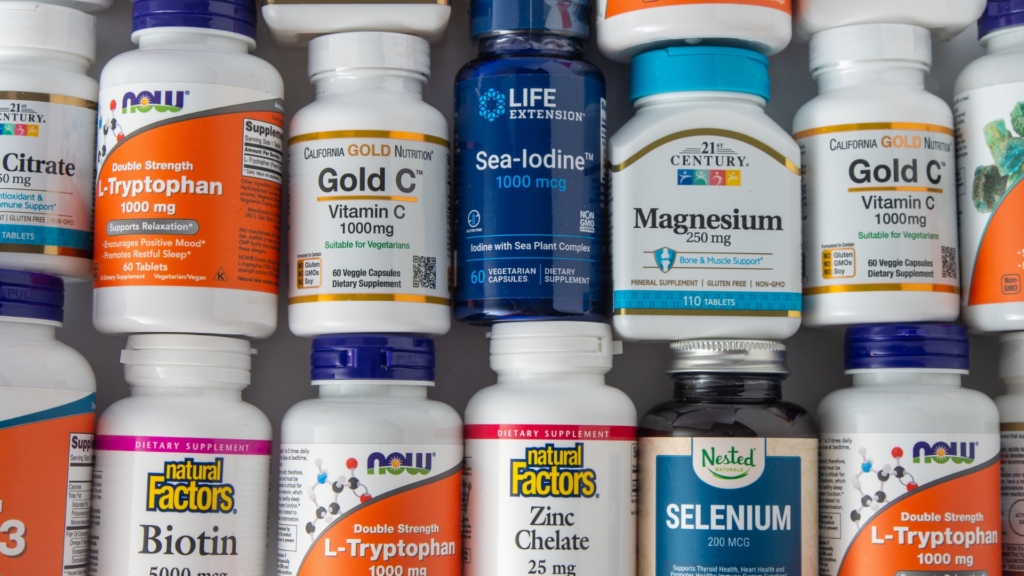
Dietary supplements are regulated differently from prescription drugs, and manufacturers generally do not have to demonstrate safety and effectiveness to the Food and Drug Administration before a supplement reaches the market. That means consumers can encounter products without the kind of premarket testing required for many medicines, while regulators may have to respond after safety concerns emerge. The FDA can take action against unsafe or mislabeled supplements, but the regulatory framework places much more responsibility on consumers and manufacturers before problems are identified.
Liver Damage Can Start With Subtle Symptoms
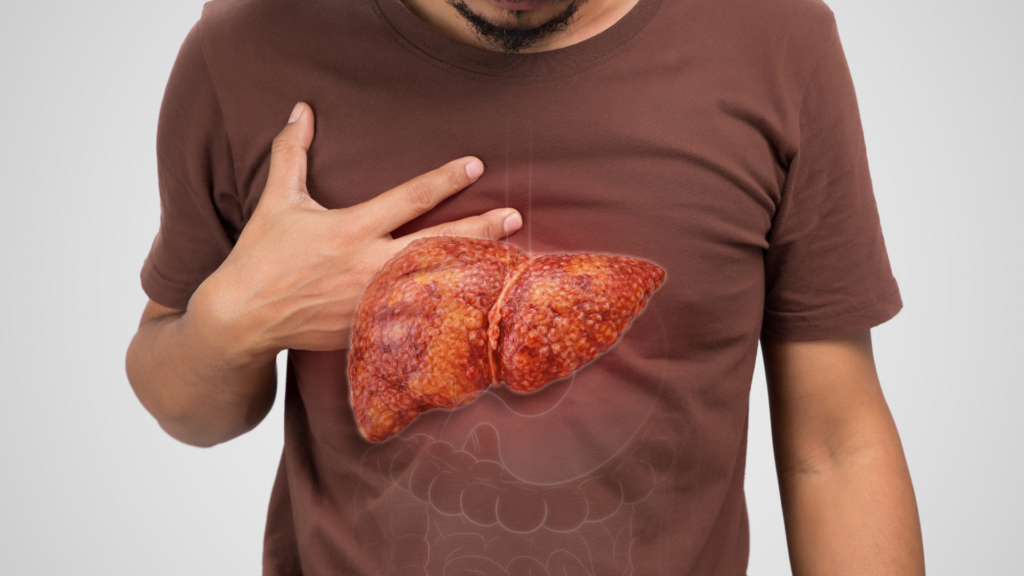
Supplement-related liver injury does not always begin with dramatic symptoms, which can make it easy to overlook until the condition becomes more serious. Warning signs can include unusual fatigue, loss of appetite, nausea, abdominal discomfort, dark urine, pale stools and yellowing of the skin or eyes. Anyone who develops possible signs of liver injury after starting a supplement should seek medical advice rather than assuming the symptoms are simply part of the normal adjustment to a product.
Your Doctor Needs to Know About Every Supplement

Patients should tell their healthcare providers about vitamins, powders, herbal capsules, teas and other supplements they take, including products purchased online or recommended by friends. This information can help doctors investigate unexplained liver enzyme abnormalities and determine whether a supplement could be contributing to the problem, particularly when other common causes have been ruled out. People with existing liver disease or those taking medications should be especially cautious about starting a new herbal product without discussing it with a healthcare professional.
A Health Product Can Still Carry Real Risks
The growing evidence does not mean that every dietary supplement is dangerous, but it does show why consumers should not assume that an over-the-counter or plant-based product is automatically safe. Research indicates that herbal and dietary supplements now account for a larger share of serious liver injuries than they did in earlier years, with products such as ashwagandha, turmeric and green tea extract repeatedly appearing in the medical literature. Checking ingredients, avoiding products that promise dramatic results and discussing supplements with a healthcare professional can help consumers make more informed choices before a product intended to support their health creates a serious problem.