

Products are selected by our editors, we may earn commission from links on this page.
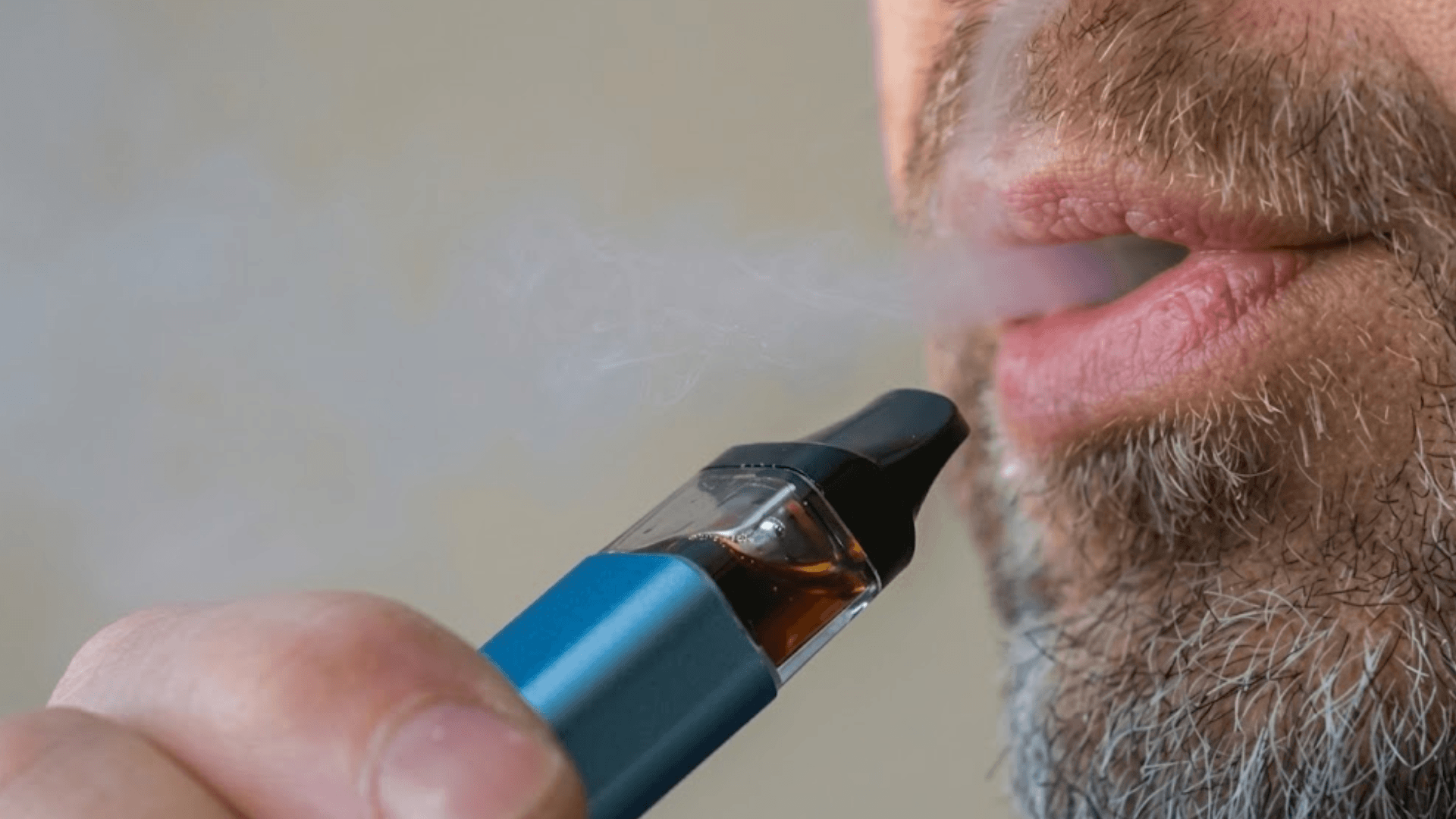
E-cigarettes were originally marketed as the safer path away from traditional smoking, but new public health data reveals a genuinely counterintuitive trend playing out among people trying to quit. According to Action on Smoking and Health, nearly 30 percent of adults who stop vaping end up returning to traditional combustible cigarettes instead, a shift addiction specialists say reflects just how difficult modern vaping dependence has become to break.
“A Cigarette Is a Defined Episode.” Vaping Isn’t.

Trent Carter, a board-certified nurse practitioner and CEO of Renew Health, a behavioral and mental health practice based in New Mexico, says the switch makes more sense once you look at actual daily behavior patterns. “Vaping can become constant throughout the day, whereas a cigarette is more of a defined episode,” he told Fox News Digital, describing a structural difference between the two habits that goes beyond nicotine content alone.
You Don’t Even Notice You’re Vaping Constantly, Expert Says

That structural difference shows up in how consciously people actually track their own use. “Subconsciously, you may not even realize that you’re constantly vaping throughout the day, whereas cigarettes you feel like you’re more in control because you have to think about it,” Carter explained. “You have to go outside, you have to light it up.” Vaping’s constant availability, often indoors, removes that natural pause point entirely.
Each Puff Can Deliver Way More Nicotine Than a Cigarette

Part of what makes vapes especially hard to quit traces back to how concentrated their nicotine delivery actually is. Many devices use highly concentrated nicotine salts, letting users inhale significantly larger doses per puff than a traditional cigarette delivers. “If you’re consuming a large amount with every single puff, it’s going to be harder to stop when compared to a lower dose,” Carter said.
This Is What High-Dose Nicotine Actually Does to Your Brain

That heavier nicotine exposure directly reshapes brain chemistry over time, according to Cleveland Clinic research. Nicotine stimulates neurotransmitters like dopamine that govern mood and pleasure, and abruptly cutting off high-volume intake can trigger rapid, intense withdrawal. Symptoms can range from severe cravings and irritability to significant sleep disturbances and noticeable brain fog during the earliest stages of quitting.
Why a Nicotine Patch Alone Often Isn’t Enough

Standard quitting aids like nicotine patches or gum can genuinely help with cravings, Carter said, but they often fall short of addressing the full picture for heavy vapers specifically. “If you’re not addressing the behavioral aspect of it, then you’re really falling short,” he explained, pointing to underlying anxiety or insomnia that frequently drives the habit in the first place, separate from nicotine chemistry alone.
Early “Doctor-Approved” Messaging May Have Backfired

Early marketing messaging around e-cigarettes also shaped how difficult quitting later felt for many users, Carter noted. Vapes were initially framed publicly as a healthier, doctor-approved alternative to smoking, which gave many consumers a false sense of security about the habit’s eventual difficulty. “If you’re being told something is safe or doctor-approved, we tend to feel we’re making the right choice,” he said.
“You Got Rid of the Toxins, But Now You’re Consuming More Nicotine”

That framing helped create what Carter describes as a genuinely counterproductive trade-off for many users over time. “While traditional cigarettes have toxins that e-cigarettes do not, if your daily consumption of nicotine becomes much higher, we find ourselves in a nasty cycle,” he said. “You got rid of the toxins, but now you’re consuming much more nicotine” than before switching to vaping originally.
Switching Back to Cigarettes Brings Back an Entirely New Risk Set

Returning to cigarettes after heavy vaping reintroduces an entirely separate set of health risks beyond nicotine dependence alone. Cigarettes bring back toxins, tar, and carbon monoxide that vaping generally avoids, while heavy, uninterrupted nicotine intake itself can trigger blood pressure spikes, elevated heart rate, disrupted sleep, and heightened anxiety regardless of which delivery method someone chooses.
The Real Goal Isn’t a New Nicotine Source, Expert Says

Rather than swapping one nicotine source for another, addiction specialists recommend medically supervised strategies combining gradual nicotine reduction with behavioral therapy. “The goal shouldn’t be to find another way to consume nicotine. The goal should be to treat the dependence itself,” Carter said, advising anyone caught in this cycle to build self-awareness and consult a licensed addiction or mental health professional for a personalized plan.