

Products are selected by our editors, we may earn commission from links on this page.
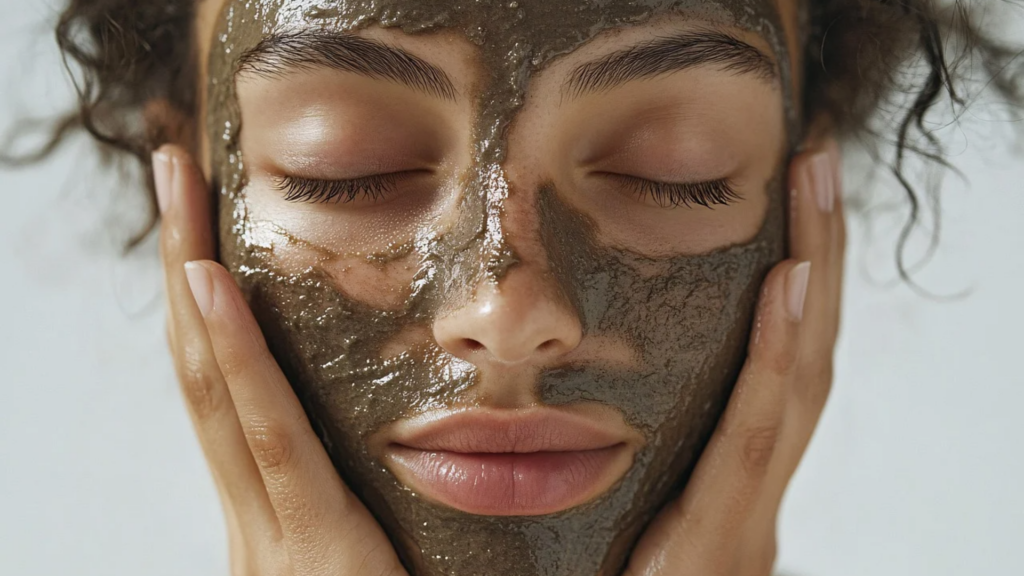
Skincare is moving beyond traditional plant extracts and familiar cosmetic ingredients as biotechnology becomes a bigger part of how products are developed. Newer brands are using processes such as fermentation, microbial production, and plant-cell cultures to create highly controlled ingredients designed to work more precisely with the skin. The global biotech skincare market was estimated at $5.8 billion in 2025 and is projected to reach $8.6 billion by 2032, showing how quickly the approach is gaining attention.
Biotechnology Could Change What Goes Into Your Products

Biotechnology uses living organisms such as yeast and bacteria to produce cosmetic ingredients through biological processes including fermentation. Supporters say this can create ingredients with greater consistency than some naturally harvested materials, whose properties can vary depending on weather, soil and harvest conditions. The technology can also reduce the need to rely on scarce botanical sources that may be difficult to produce at commercial scale.
Biodance Helped Bring the Science to Everyday Skincare
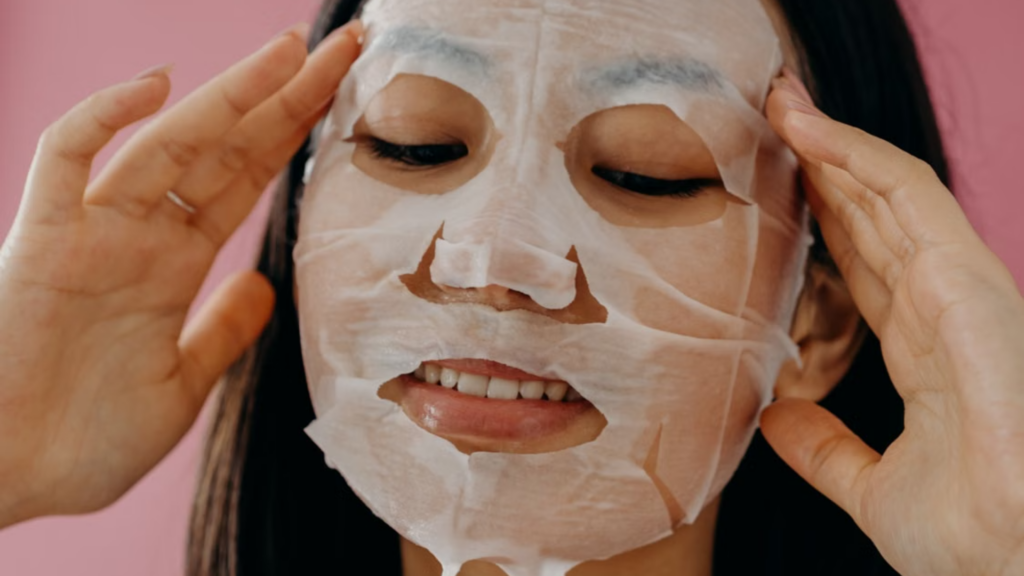
Mihwa Kim’s experience with serious facial injuries helped shape her approach to skincare after a 2013 car accident left her with deep wounds requiring more than 60 stitches. During her recovery, she became interested in medical hydrogel dressings and the way biotechnology could create a supportive environment for the skin. She later founded Seoul-based Biodance, a brand built around bringing some of those science-driven ideas into products designed for everyday use.
Emma Lewisham Is Using Biotech to Rethink Natural Ingredients
Emma Lewisham launched her namesake skincare brand in New Zealand in 2019 after looking for alternatives to clinical treatments for pigmentation that she was advised to avoid while trying to conceive. Her approach combines naturally derived ingredients with biotechnology to create highly concentrated molecules intended to mimic certain functions of healthy skin. The goal is to make formulations more consistent, precise and potentially more sustainable than relying entirely on conventional sources.
Reome Is Taking Aim at Overcomplicated Beauty Routines
Joanna Ellner, a former beauty editor who later entered the skincare business, argues that consumers have become overly focused on individual ingredients and increasingly complicated routines. She has criticized the trend toward 10- to 15-step regimens and the excessive use of strong active ingredients, saying that too much treatment can leave skin in poor condition. Her brand Reome works with biotechnology laboratories to recreate botanical molecules through fermentation and plant-cell cultures instead of relying exclusively on natural extracts.
The Science Is About More Than a Single Ingredient

One of the biggest changes biotechnology brings is the ability to create formulas around how multiple ingredients work together rather than promoting one so-called miracle ingredient. Supporters of the approach say highly purified molecules can be combined to target different aspects of skin biology while providing greater control over formulation. That could shift the focus from ingredient popularity toward the overall design and performance of a skincare product.
Absorption Could Be Just as Important as the Ingredient
A product can contain an impressive active ingredient without necessarily delivering the expected result if the ingredient is not used at an effective concentration or cannot reach the intended area of the skin. Ellner has highlighted molecular weight as one factor that can influence whether an ingredient remains near the surface or moves deeper through the epidermis. She also warns that consumers may not always receive enough information about these formulation details to judge how meaningful a product’s claims are.
The Beauty Industry Is Moving Away From One-Size-Fits-All Claims

The rise of biotech beauty reflects a broader shift toward products developed around skin physiology rather than simple claims about being natural or clean. Experts quoted in the reporting caution shoppers against choosing products solely because they contain or exclude a particular ingredient, since the full formulation and dosage can matter just as much. The term “clean beauty” itself is not a regulated scientific standard, making it especially important for shoppers to look beyond marketing language.
What Shoppers Should Look For in Biotech Skincare

Consumers do not necessarily need to chase every new biotech product, but understanding what a formula is designed to do can help separate meaningful innovation from marketing hype. Experts recommend considering your skin type and specific concerns, researching the ingredients and looking for brands that explain how their formulas work together rather than simply highlighting a trendy molecule. Clinical evidence, appropriate concentrations and transparent information can be more useful indicators than attractive packaging or viral popularity.
Skincare Is Entering a More Scientific Era

Biotechnology is giving skincare companies new ways to produce ingredients, control formulations and rethink how products interact with the skin. Brands such as Biodance, Emma Lewisham and Reome illustrate how the industry is increasingly combining beauty with fermentation, biomimetic ingredients and other laboratory-based techniques. As the biotech skincare market grows from an estimated $5.8 billion in 2025 toward a projected $8.6 billion by 2032, consumers will have more choices, but understanding the science behind the claims will remain essential.