

Products are selected by our editors, we may earn commission from links on this page.
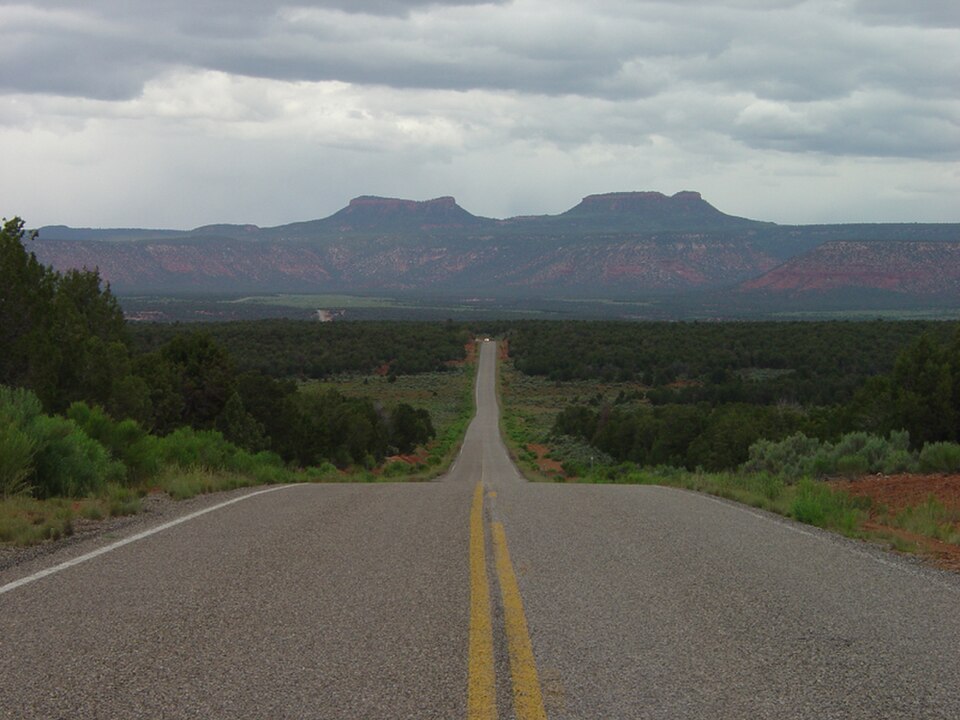
The future of two of Utah’s most iconic landscapes has once again become the center of a national debate. President Donald Trump has signed proclamations reducing the size of Bears Ears and Grand Staircase-Escalante national monuments by roughly 90%, reopening a years-old dispute over who should control public lands and how they should be used. The move immediately drew praise from state leaders while prompting swift opposition from tribal nations and conservation groups.
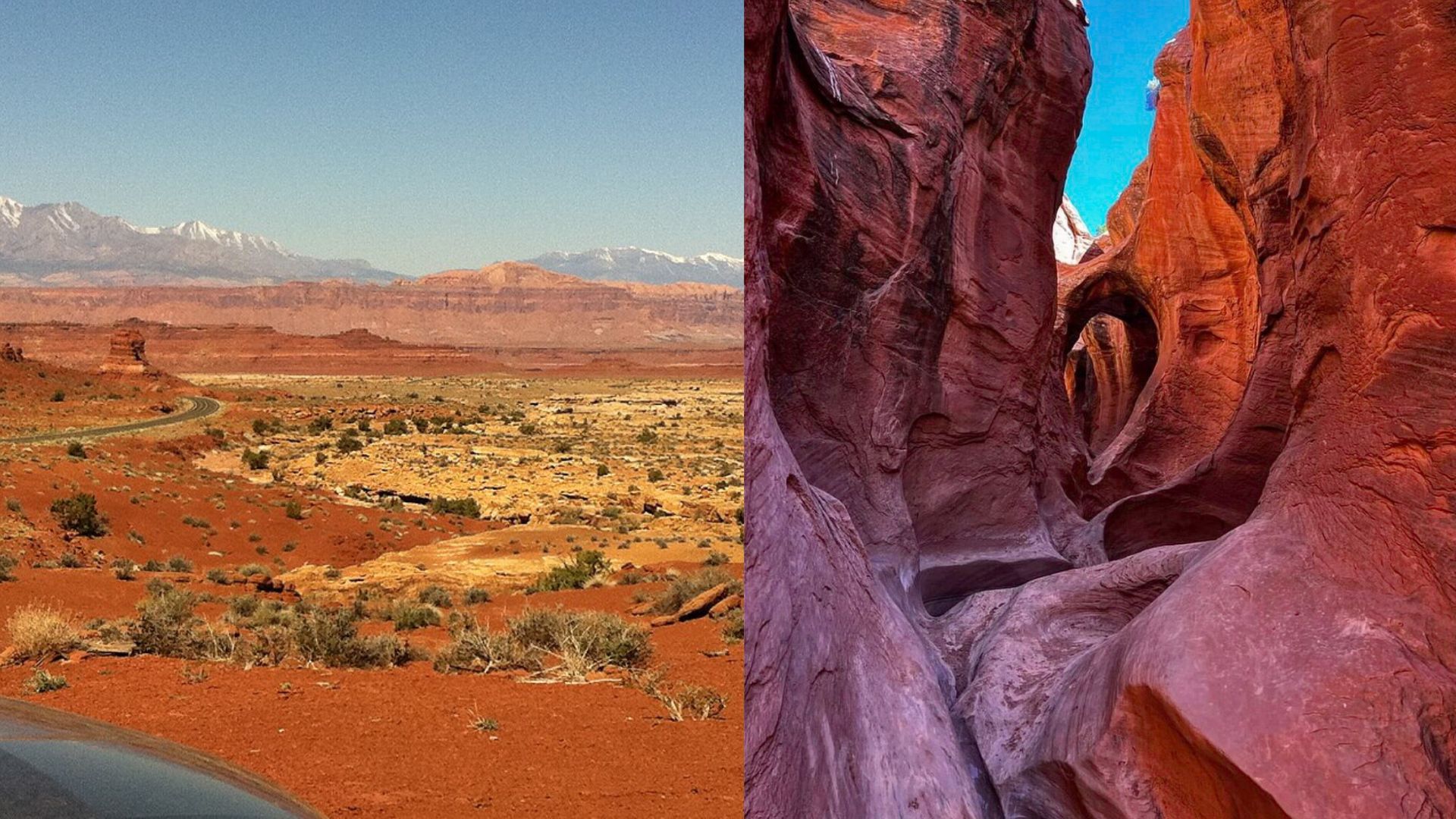
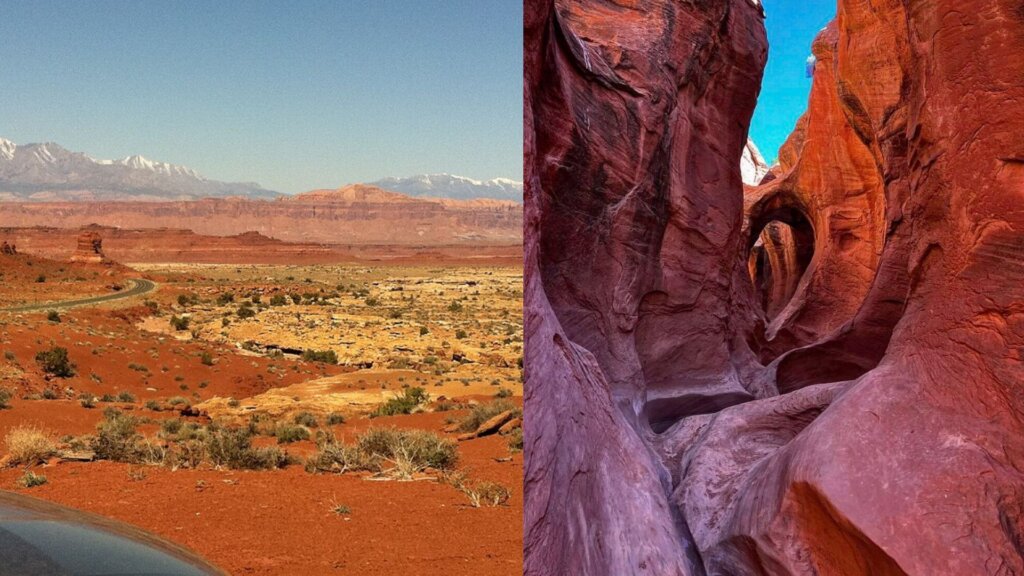
The two monuments encompass striking red rock formations, sandstone canyons, ancient cliff dwellings, petroglyphs, and archaeological sites that hold deep cultural significance for Native American tribes. Grand Staircase-Escalante was designated by President Bill Clinton in 1996, while Bears Ears received monument status under President Barack Obama in 2016 through the Antiquities Act of 1906. Both areas also contain valuable coal and uranium deposits that have long fueled competing visions for the region’s future.
The decision marks the second time Trump has sought to reduce the monuments’ boundaries. Similar actions during his first term were later reversed by President Joe Biden in 2021, restoring the protected acreage. This latest round of reductions goes even further, significantly shrinking the areas covered by federal protections and reopening questions that have remained unresolved for nearly a decade.
Why the Reductions Matter Beyond Utah

Supporters of the changes argue that the original monument boundaries were far larger than necessary to preserve historic and archaeological sites. Utah Governor Spencer Cox and other state leaders have maintained that the Antiquities Act requires monuments to encompass only the smallest area needed to protect significant resources, arguing that the previous designations unnecessarily restricted local land management and economic opportunities.
Trump framed the move as returning land to local communities. His administration says reducing the monuments will create new opportunities for mining, energy development, logging, and other activities that supporters believe can strengthen local economies and improve domestic resource production. The broader policy aligns with the administration’s efforts to expand access to public lands for development across the western United States.
Opponents see the decision very differently. Conservation organizations argue that the landscapes function as interconnected ecosystems and cultural sites that cannot be adequately protected once their boundaries are dramatically reduced. Several environmental groups have already announced plans to challenge the proclamations in court, arguing that the Antiquities Act gives presidents the authority to establish monuments but does not explicitly authorize future presidents to significantly reduce or eliminate them.
Tribal Nations Say the Stakes Go Beyond Conservation
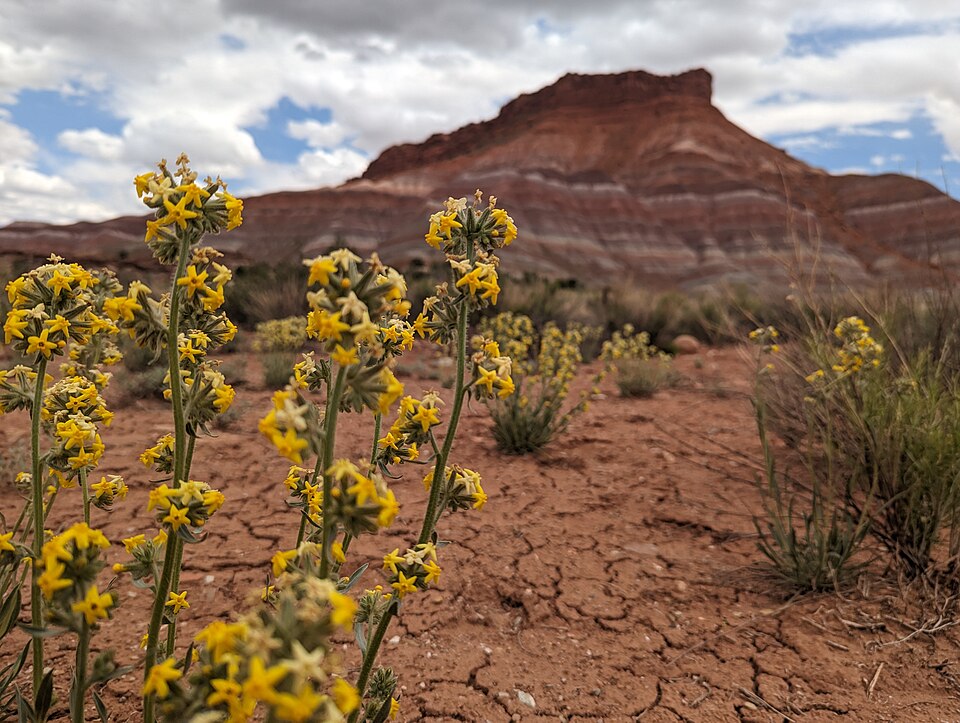
For many Native American tribes, Bears Ears represents far more than a scenic destination or archaeological preserve. The landscape contains thousands of culturally important sites and remains an active place for ceremonies, prayer, gathering traditional plants, and preserving generations of history. Tribal leaders say these living connections cannot be separated from the surrounding landscape.
The Bears Ears Inter-Tribal Coalition—which includes the Navajo Nation, Hopi Tribe, Ute Mountain Ute Tribe, Pueblo of Zuni, and Ute Indian Tribe—has repeatedly argued that protecting isolated archaeological sites is not enough. Coalition members describe Bears Ears as an interconnected cultural landscape where the relationships between sacred places, wildlife, plants, water, and history are inseparable.
Another major concern involves tribal participation in managing the monument. During the Biden administration, Bears Ears operated under a groundbreaking co-management framework that gave tribal representatives a formal advisory role in stewardship decisions. Trump’s new proclamation ends that arrangement, leading tribal leaders to argue that Indigenous voices are once again being removed from decisions affecting lands they consider sacred.
The Legal Battle Is Likely Far From Over
At the center of the dispute is the Antiquities Act of 1906, a law that gives presidents the authority to designate national monuments to protect historically, archaeologically, or culturally significant sites. The law has been used by presidents of both political parties for more than a century, but it says little about whether future presidents can substantially reduce monuments once they have been established.
That unanswered legal question has become one of the most significant public lands disputes in recent history. Conservation organizations, including Earthjustice and the Southern Utah Wilderness Alliance, have indicated they will challenge the latest proclamations in federal court, arguing that only Congress has the authority to permanently reduce monument protections. Supporters of the administration contend that previous monument boundaries exceeded what the Antiquities Act intended and believe the reductions better reflect the law’s original purpose.
Whatever the courts ultimately decide, Bears Ears and Grand Staircase-Escalante have become symbols of a broader national conversation about energy development, conservation, tribal sovereignty, and the future of America’s public lands. The latest proclamations may have redrawn the monuments’ boundaries, but the debate over how these landscapes should be protected—and who should decide their future—is likely to continue well beyond this latest chapter.