

Products are selected by our editors, we may earn commission from links on this page.
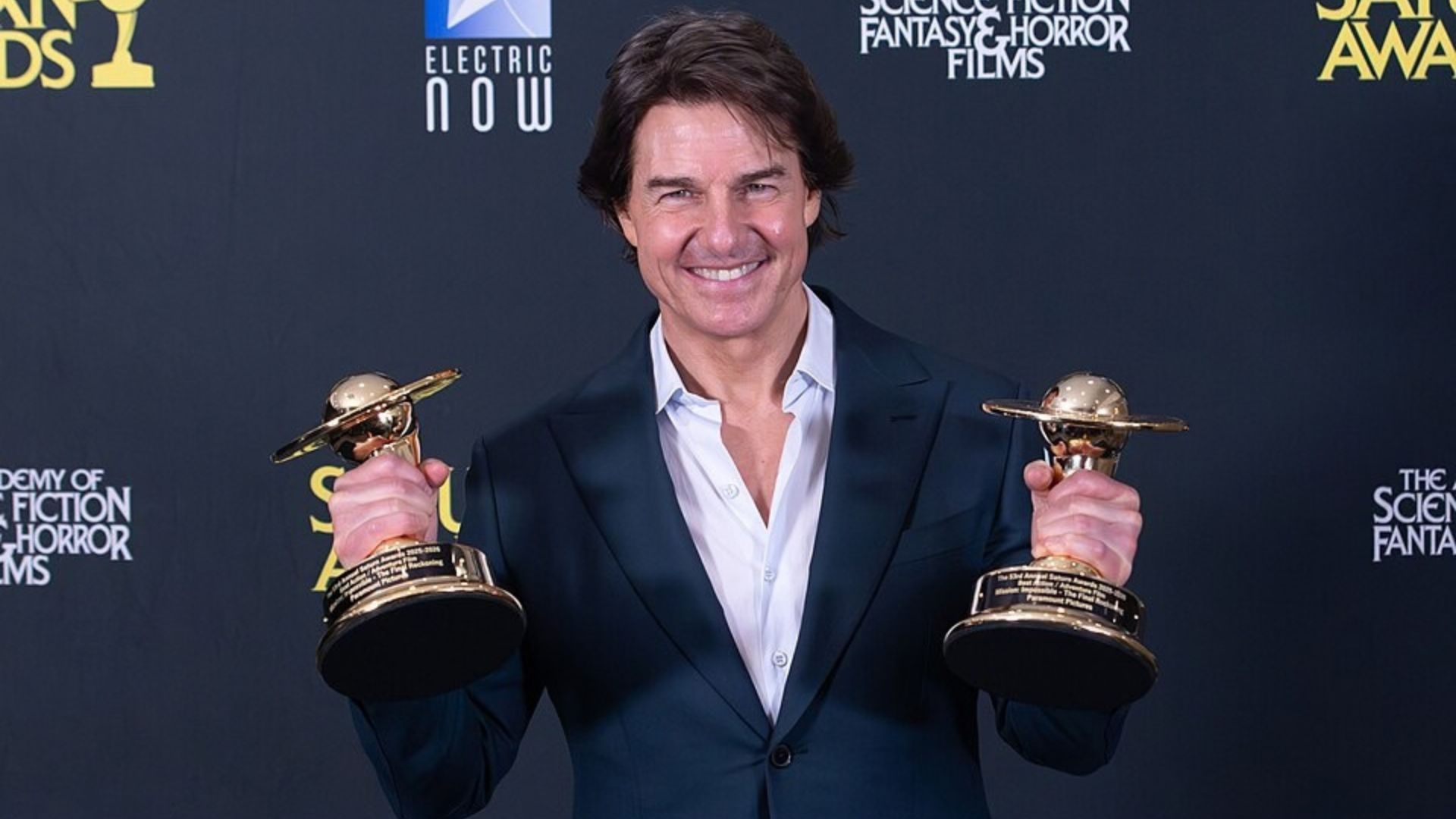
Tom Cruise can fly fighter jets, leap off buildings and make impossible stunts look effortless. But getting audiences into theaters for his latest movie proved considerably harder. His new film, Digger, opened to disappointing numbers despite pairing one of Hollywood’s biggest stars with an Oscar-winning director. The result is particularly surprising for an actor whose name has helped sell blockbuster movies for decades. This time, however, even Cruise’s star power wasn’t enough to overcome a difficult opening weekend.
This Is Not the Tom Cruise Movie Fans Usually Expect
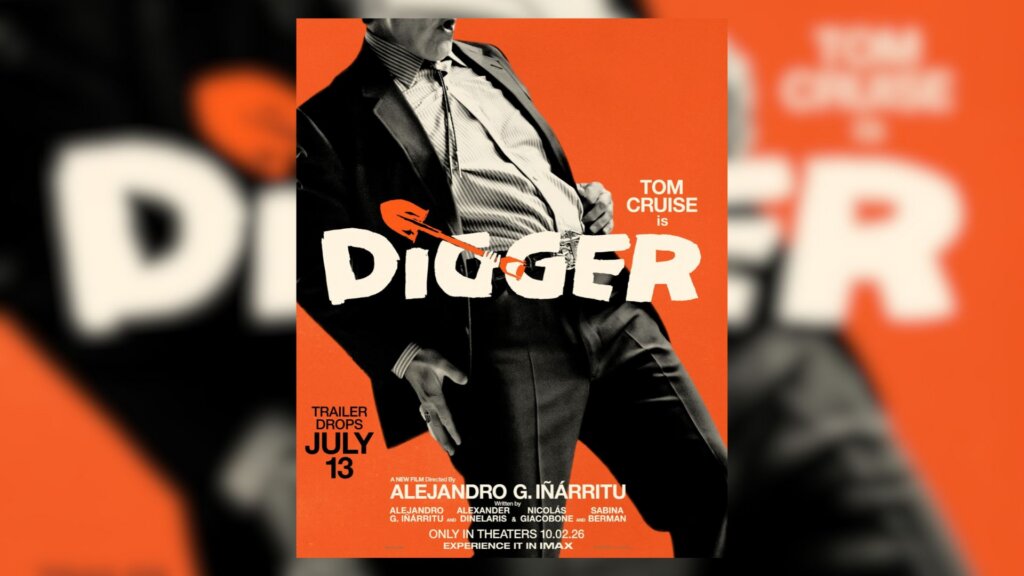
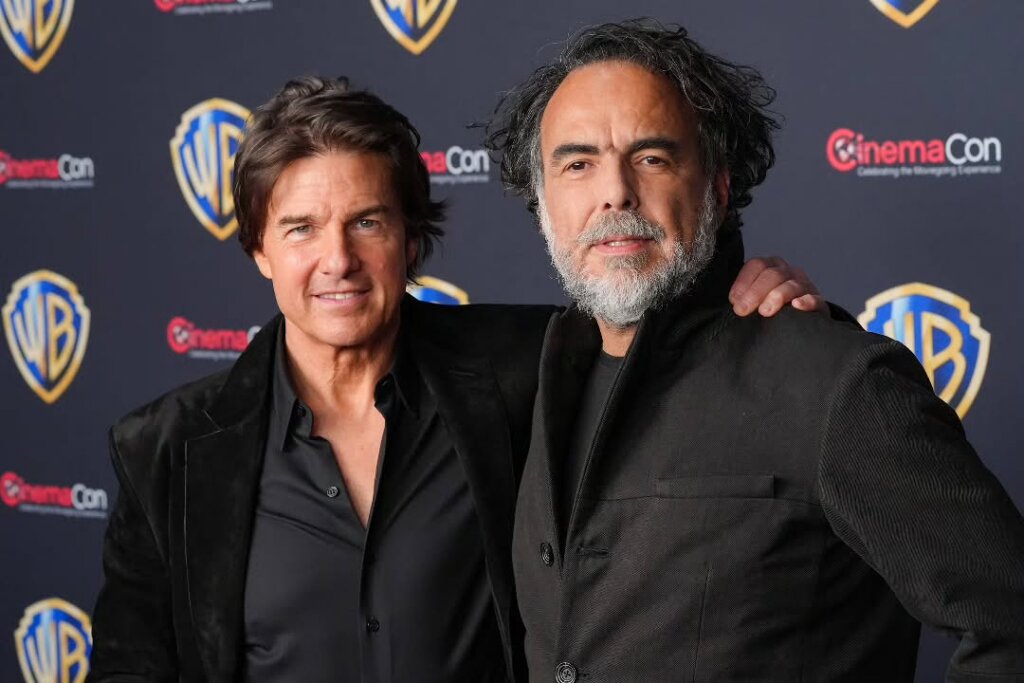
Instead of another action spectacle, Cruise stars as Digger Rockwell, a wealthy oil tycoon whose disastrous drilling operation in Antarctica threatens the planet. Directed by Alejandro G. Iñárritu, the film is a satirical black comedy that takes Cruise far outside his familiar action-hero territory. The actor also underwent a dramatic physical transformation for the role. It was an ambitious creative departure, but audiences accustomed to Mission: Impossible faced something very different. And the box office numbers show just how difficult that transition became.
The Opening Weekend Numbers Tell a Difficult Story
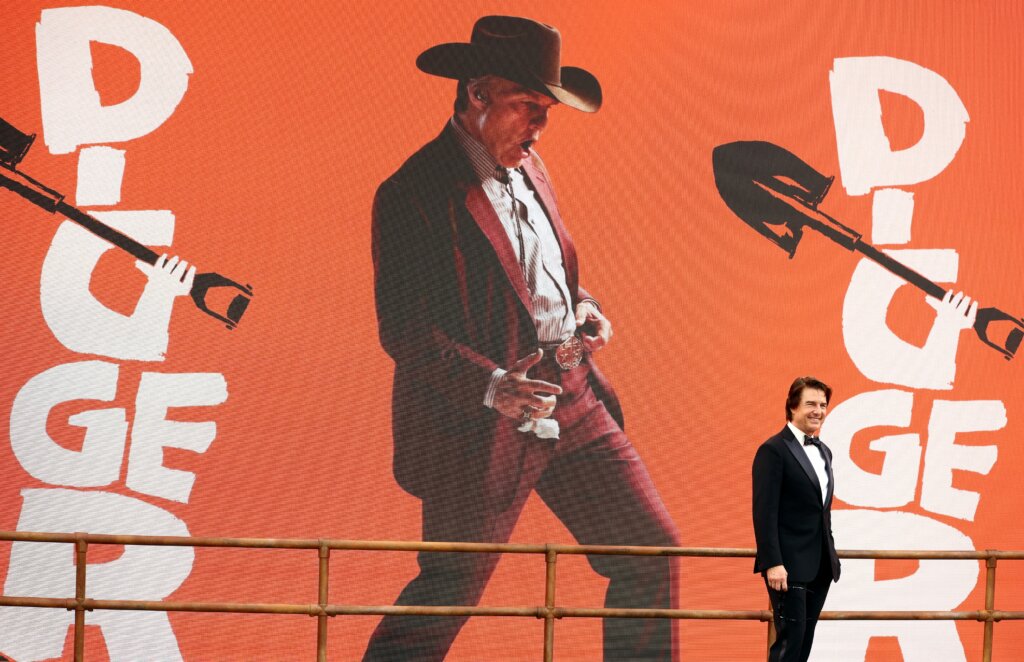
Released October 2, 2026, Digger collected just $8 million domestically and another $12 million internationally, bringing its worldwide opening to approximately $20 million. The film finished fifth at the North American box office, behind several competing releases. For perspective, Cruise’s Top Gun: Maverick earned nearly $1.5 billion worldwide in 2022. The comparison is imperfect because the movies target different audiences, but the contrast is striking. The real problem becomes clearer when the film’s production costs enter the picture.
A Huge Budget Makes the Disappointment Worse
Digger reportedly cost between $160 million and $180 million to produce, with approximately $100 million more spent on marketing. Industry estimates suggest it would need around $350 million worldwide to break even theatrically. Following its $20 million global debut, the movie was projected to lose between $150 million and $200 million from its theatrical run. Those are estimates rather than finalized losses, but they illustrate the financial challenge. And the warning signs had appeared before audiences even bought their tickets.
Even Hollywood’s Predictions Kept Getting Worse

In September, Boxoffice Pro initially projected a domestic opening between $20 million and $30 million. That forecast gradually dropped as release day approached. Warner Bros. reportedly lowered its own expectations to $12 million to $15 million. Prediction-market traders were even more pessimistic. By the morning after release, Polymarket participants assigned an 86% probability to an opening below $9 million. The eventual $8 million result matched that expectation. Meanwhile, the film’s advertising had created another problem: some potential viewers couldn’t figure out what they were being sold.
Some Viewers Couldn’t Understand the Trailers

In an r/popculturechat discussion titled “‘Digger’ Flops with $8 Million Opening, Becoming the Biggest Bomb of Tom Cruise’s Career,” viewers questioned the marketing. Reddit user SignalSecurity complained that advertisements emphasized Cruise without explaining the story. geek_of_nature similarly described a trailer focused largely on the actor’s previous movies. Others defended the approach, arguing that revealing more would spoil important plot developments. The disagreement suggests a difficult marketing dilemma: how do you sell an unusual movie without giving away its surprises?
Critics Were Divided, and Warner Bros. Embraced It
The film’s reception offered little relief. Digger received a Rotten Tomatoes critics score around 51% to 52%, reflecting sharply mixed reviews. Some praised its originality and performances, while others found its humor and storytelling difficult to embrace. Warner Bros. responded with an unusual advertising campaign featuring both positive and negative reviews, including descriptions such as “insufferable.” The campaign encouraged audiences to judge the movie themselves. It was a memorable approach, although the opening numbers suggest curiosity alone wasn’t enough to fill theaters.
Tom Cruise Says Opening Weekend Isn’t Everything

Cruise has defended the film’s artistic ambitions. Speaking on the On Film With Kevin McCarthy podcast, he explained that his goal isn’t simply to deliver a successful opening weekend. Instead, he wants to make movies that endure. He and Iñárritu referenced Blade Runner, which initially struggled before becoming a celebrated science-fiction classic. Cruise also thanked the cast and crew publicly, expressing pride in their work. His comments highlight a familiar Hollywood tension between immediate commercial success and a movie’s potential cultural life.
Another Movie Easily Won the Weekend

While Digger struggled, Amazon MGM’s Verity debuted at number one with $32.6 million domestically. The thriller, starring Anne Hathaway, Dakota Johnson and Josh Hartnett, benefited from its connection to Colleen Hoover’s bestselling novel. Sony’s Resident Evil followed with $12.5 million, while Brad Pitt’s Heart of the Beast earned $11 million. These competing releases demonstrate that audiences were still visiting theaters. They simply favored other options that weekend, leaving Cruise’s unusual project facing an uphill battle.
One Flop Probably Won’t End Cruise’s Blockbuster Era

Despite the disappointing debut, industry analyst Paul Dergarabedian told Fox News that studios will continue wanting to work with Cruise. His decades of commercial success remain valuable, particularly in action-driven franchises. Digger also arrives during a major industry transition, with Paramount’s acquisition of Warner Bros. Discovery changing the studio landscape. Its longer-term reception may determine whether the film eventually finds an audience beyond theaters. For Cruise, the bigger question is whether Hollywood will keep financing expensive creative risks that don’t resemble conventional blockbusters.