

Products are selected by our editors, we may earn commission from links on this page.
Getting robbed usually feels like something is happening. Card skimming doesn’t work that way at all. A thief attaches a hidden device to a gas pump or ATM, and the transaction still runs perfectly normally: fuel comes out, cash gets dispensed, and the screen shows nothing unusual. The theft happens invisibly in the background, which is exactly why most victims don’t notice until fraudulent charges show up days or weeks later.
A card skimmer is a small device built specifically to read and store data straight off a card’s magnetic stripe. Criminals fit it directly over or inside a legitimate card reader, so every swipe or insert routes through the skimmer on its way to the real machine underneath. Many setups add a second component too, either a tiny pinhole camera aimed at the keypad or a fake keypad overlay recording every PIN typed.
Once criminals collect that stored data, cloning a card or making fraudulent purchases becomes straightforward, often draining an account before the actual owner notices anything wrong. Gas pumps and standalone ATMs are favorite targets specifically because they’re usually unattended, giving a thief real time to install a device unseen, while processing enough card transactions daily to make one planted skimmer genuinely worth the risk.
This article was created with the assistance of AI and reviewed by our editorial team for accuracy and clarity.
A Loose Reader or a Broken Seal Can Give the Whole Thing Away
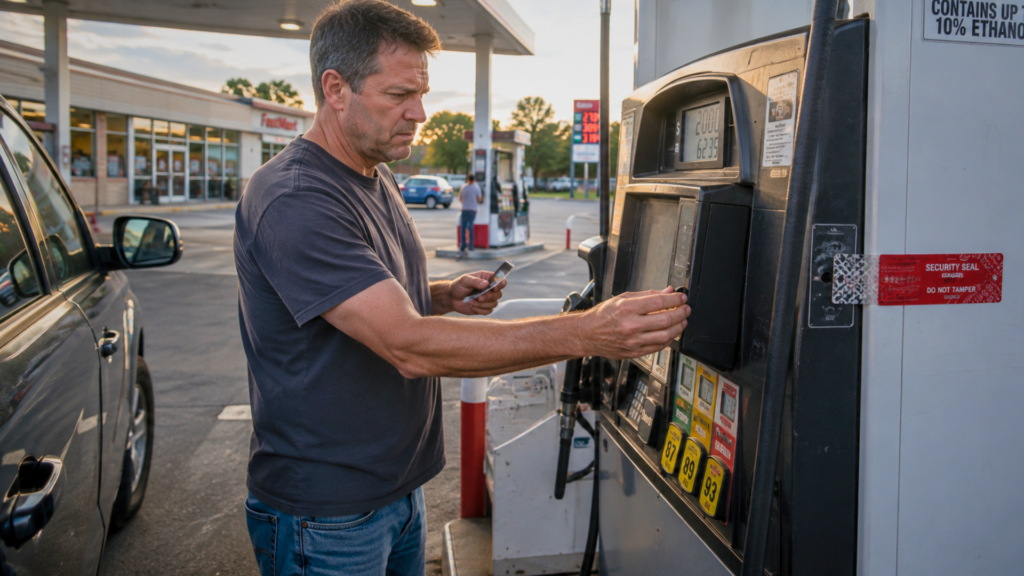
A quick physical inspection before paying remains the single most reliable defense against this kind of theft. A card slot that looks bulky, crooked, or noticeably different from readers on nearby machines can signal an overlay device sitting on top of the real one. Parts that wiggle, feel loose, or seem attached with tape or glue are worth taking seriously, since legitimate factory-installed readers are built in securely and don’t move.
Gently pulling or pressing on the card reader can actually confirm suspicions in seconds. A genuine, fixed reader won’t budge no matter how much pressure gets applied. An add-on skimmer, by contrast, often comes loose fairly easily once someone actually tries, revealing the tampering immediately rather than leaving a customer guessing about whether something felt slightly off at the pump or machine.
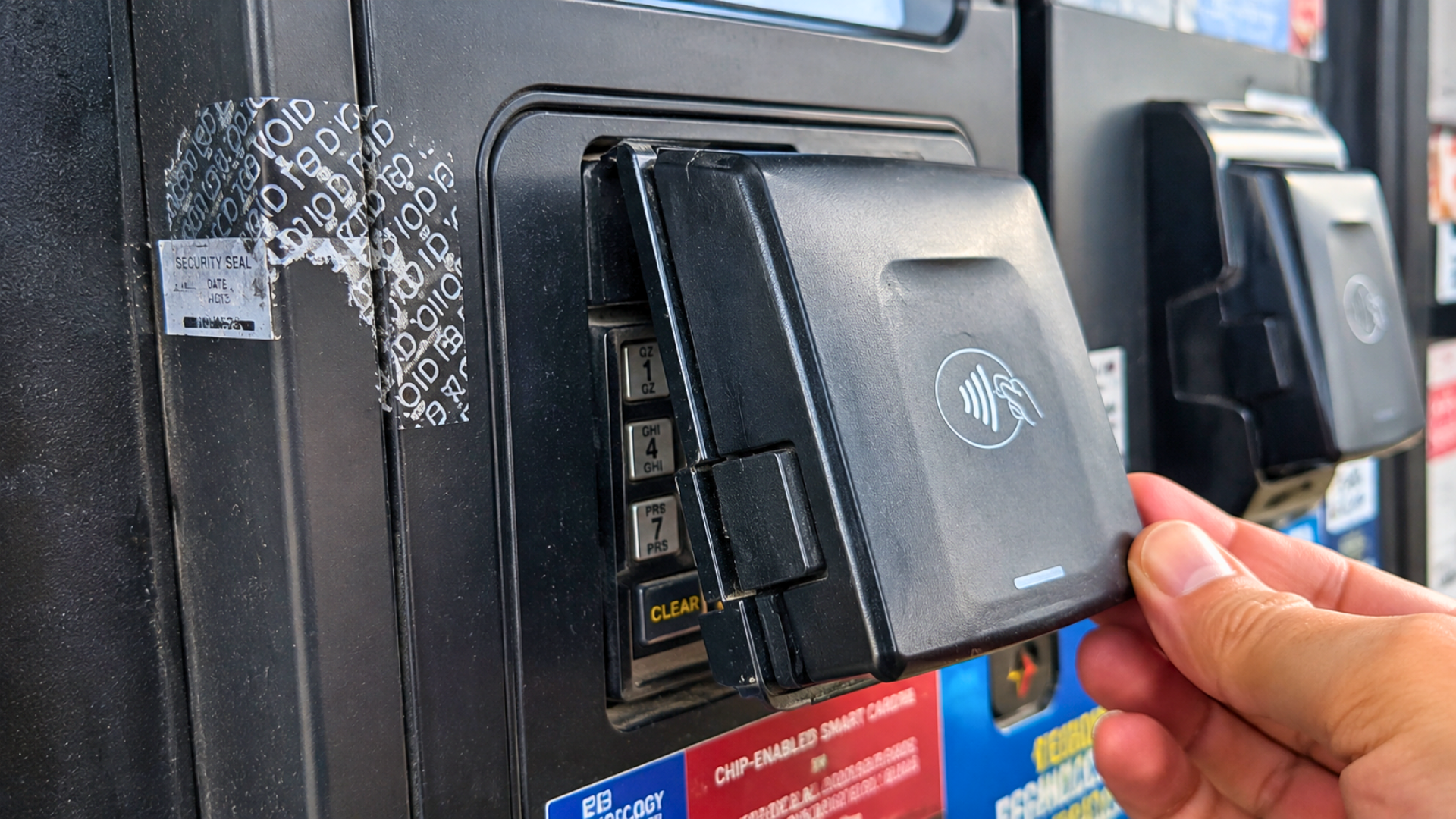
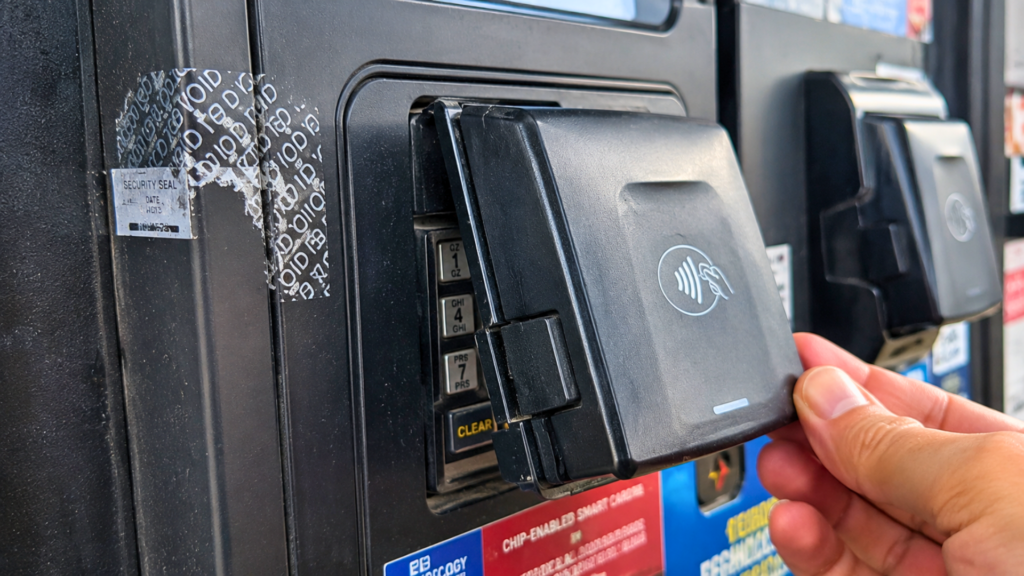
Many gas stations place tamper-evident seals directly over the internal panel covering a pump’s wiring, specifically to catch this kind of intrusion before a customer ever pays. A seal that’s broken, torn, or displays the word “void” strongly suggests someone has already opened that panel. Checking for that seal takes only a second and can reveal tampering that would otherwise stay completely invisible to the eye.
Where You Pump Gas Matters as Much as How You Check It
Where a customer chooses to pump gas actually matters more than most people realize. Pumps located close to the attendant’s window carry lower risk than ones sitting at the far end of an empty lot, simply because skimmers tend to get installed wherever a thief can work without being observed. That small choice of location can meaningfully reduce the odds of using a machine that’s already been compromised.
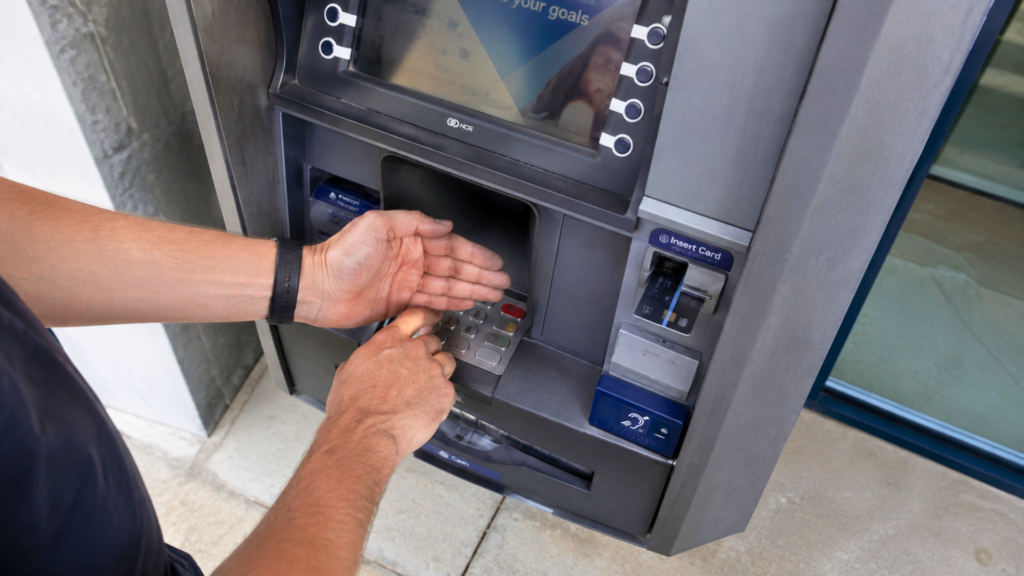
At an ATM specifically, one habit defeats a hidden camera even when a skimmer is actually present and working. Covering the keypad with a free hand while entering a PIN blocks a pinhole camera from capturing those keystrokes, even if the card reader itself has already been compromised by an overlay device. That single motion costs nothing and takes less than a second to do every single time.
Paying with a method other than a magnetic stripe swipe removes much of the opportunity skimmers depend on entirely. Contactless payments and chip-based transactions are considerably harder to compromise than an exposed magnetic-stripe reader, since they rely on encrypted data rather than a simple readable stripe. Paying inside with an attendant present, in a well-lit and actively monitored location, offers another meaningfully safer alternative for the same purchase.
The Tell Is Almost Always Physical, and Almost Always Visible
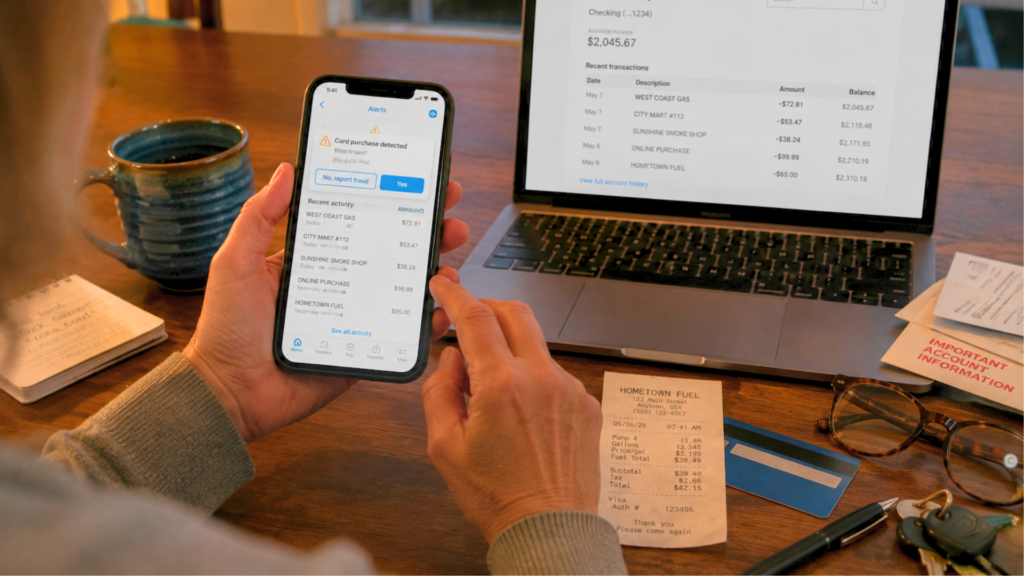
Because a planted skimmer can quietly steal data long before any fraudulent charges actually appear, watching account activity closely functions as an essential second layer of defense. The Federal Trade Commission’s consumer guidance specifically emphasizes acting quickly the moment money goes missing, and reviewing bank and card statements frequently remains the fastest realistic way to spot unauthorized activity tied to a compromised card.
Setting up transaction alerts through a bank or card issuer adds a layer of automated protection that doesn’t require remembering to manually check statements every day. These alerts can flag suspicious charges in near real time, often catching fraud within hours rather than weeks. When something fraudulent does appear, contacting the card issuer immediately and reporting the theft to the FTC at reportfraud.ftc.gov both help limit further losses.
Card skimming survives as a crime specifically because it’s cheap, quiet, and reliably effective against machines millions of people use without a second thought every single day. The defense against it is just as low-tech: a few seconds spent actually examining a reader, a hand cupped over a keypad, and regular attention paid to account statements. The tell is almost always physical, and it is almost always visible to anyone willing to look.