


Products are selected by our editors, we may earn commission from links on this page.

A beauty founder questioning overconsumption might sound reassuring, until shoppers start comparing that message with the products on offer. That is the tension behind Hailey Bieber’s remarks about Rhode, according to SheFinds. Some social media users questioned whether the brand’s approach matched what she said onstage. Their objections reached beyond her choice of words to details of the shopping experience. What did Bieber actually say, and why did it strike some listeners as contradictory?
The Conversation Began at a Business Summit
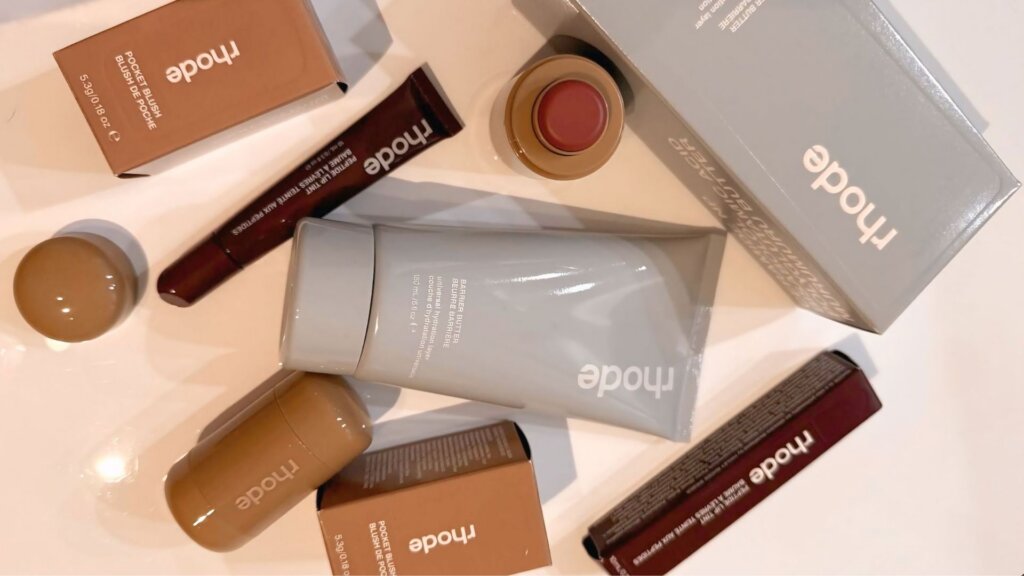
Bieber made the remarks at Fortune’s Most Powerful Women Summit in Santa Barbara, California, on October 14, 2026. She appeared alongside Rhode cofounder Lauren Ratner for a conversation with Fortune’s Ellie Austin about the brand’s growth and business strategy. Bieber was explaining her priorities for Rhode, including how the company should approach new products in an already crowded beauty industry. What approach did she say she wanted the company to follow?
She Says Quality Should Come Before Constant Launches
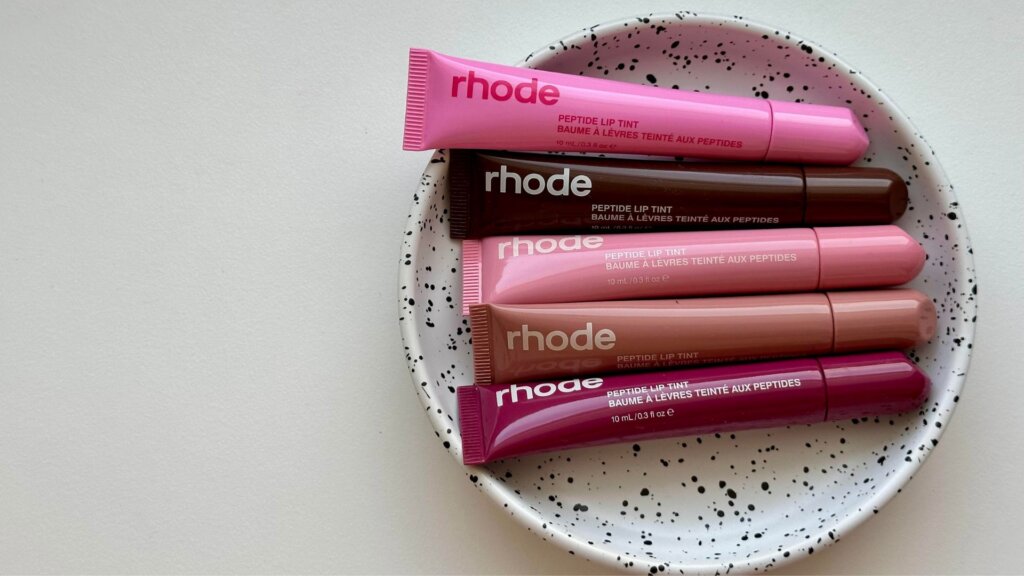
“I really am not interested in overconsumption,” Bieber said, explaining that she preferred quality over constant new releases. She described the beauty industry as already crowded, framing restraint as part of her vision for Rhode. That is different from saying the company would stop selling products or abandon growth. The criticism centered on whether its existing offerings reflected that position. Which items did the report identify as examples of the disagreement?
A $16 Case Became a Point of Contention

SheFinds highlighted Rhode’s $16 pimple patch case, which does not include the patches themselves. One Instagram commenter questioned how purchasing that container, then buying patches separately, fit Bieber’s remarks about unnecessary consumption. The article also pointed to bag charms for makeup bags as examples of optional extras. For these critics, the issue was what customers were being encouraged to buy beyond skincare. But what about the packaging surrounding those purchases?
Packaging Prompted Environmental Criticism
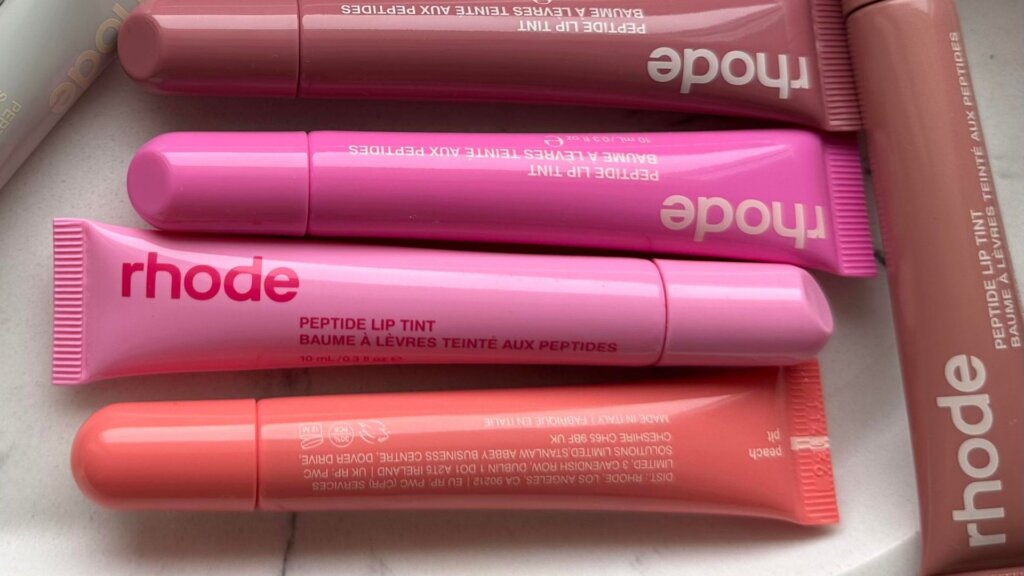
The report described Rhode’s promotional packaging as elaborate and arguably wasteful, while also noting products that cannot be refilled. One quoted user criticized nonrefillable plastic packaging, suggesting it contradicted an environmentally responsible image. That was the commenter’s interpretation, not an environmental finding established by the article. The reactions also moved beyond individual containers and accessories to the business itself. Could a growing beauty brand fit the message Bieber was describing?
One Commenter Questioned the Business Model
Another user quoted by SheFinds questioned how Bieber’s position fit a brand designed for mass production and expansion. That commenter suggested her public relations team should have prepared her differently. A separate response portrayed Rhode as encouraging the very behavior Bieber said she disliked. These comments questioned the business’s identity, rather than only one product or package. Why did her comments about money add another point of criticism?
Her Remarks About Money Also Drew Attention
Bieber also addressed what motivates her business decisions, saying money was not the overriding consideration. SheFinds quoted her recalling meetings in which she told colleagues, “This isn’t like about money for me.” Her explanation emphasized staying true to her vision for Rhode rather than making profits the top priority. Those remarks concerned her stated motivations, not a claim that the company does not earn money. Why did her financial position become part of the response?
A Major Acquisition Added Context to the Reaction
The summit conversation also covered e.l.f. Beauty’s acquisition of Rhode in a deal valued at up to $1 billion, according to SheFinds. That figure described the transaction, not an amount the article said Bieber personally received. Separately, one quoted user challenged her comments about money by pointing to her wealth. The criticism contrasted her financial position with her stated lack of emphasis on profit. But how much can these selected reactions actually tell readers?
Critical Comments Are Not a Customer Consensus
SheFinds quoted several negative reactions, but its article did not include a survey showing how Rhode customers overall viewed the remarks. It also did not establish that the criticism affected sales or prompted a change in the brand’s products. The comments show why certain users saw a contradiction; they do not prove Bieber’s personal motives. That distinction matters without dismissing the specific concerns about optional purchases and packaging. What can shoppers take from the disagreement?
The Debate Comes Down to What Restraint Looks Like
Bieber described a brand guided by quality rather than constant launches, while the critics quoted by SheFinds looked at accessories, packaging, and commercial growth. Those are different ways of judging what overconsumption means in practice. For shoppers, the useful takeaway is to examine the purchase itself rather than treating a founder’s statement as the whole story. Does the item meet a need, or does it simply add another thing to buy?