

Products are selected by our editors, we may earn commission from links on this page.
In 1976, television underwent a seismic shift, transforming into a powerful reflection of changing societal norms. Audiences craved programming that went beyond the squeaky-clean suburban sitcoms of previous decades. Networks engaged in a fierce battle for dominance, paving the way for experimental formats and daring storytelling. This specific year birthed a wave of iconic series that redefined prime-time entertainment. Half a century later, the landscape of streaming content still owes a massive debt to the groundbreaking ideas that took over our living rooms.
Charlie’s Angels: Redefining the Action Hero
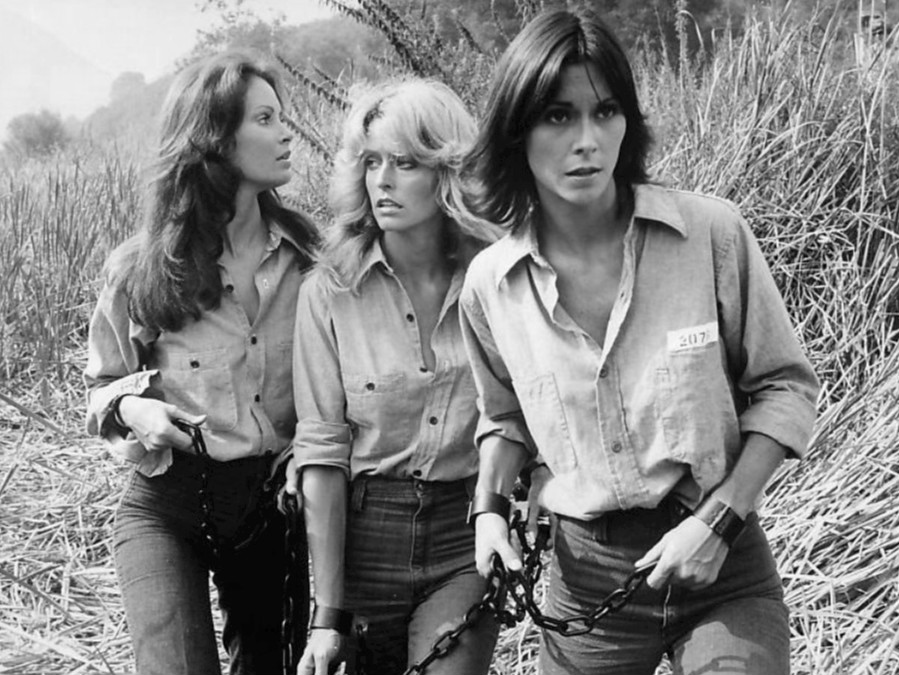
When Charlie’s Angels hit the airwaves, it shattered the industry belief that female-led action series could not draw a massive audience. Starring Farrah Fawcett, Kate Jackson, and Jaclyn Smith as glamorous private investigators, the show became an instant pop-culture phenomenon. These women were capable, intelligent, and handled high-octane stunts, proving heroines didn’t need rescuing. The immense global success of the series opened the floodgates for female empowerment in prime-time television, establishing a legacy of action stars that continues to thrive today.
The Muppet Show: Revolutionizing Family Entertainment
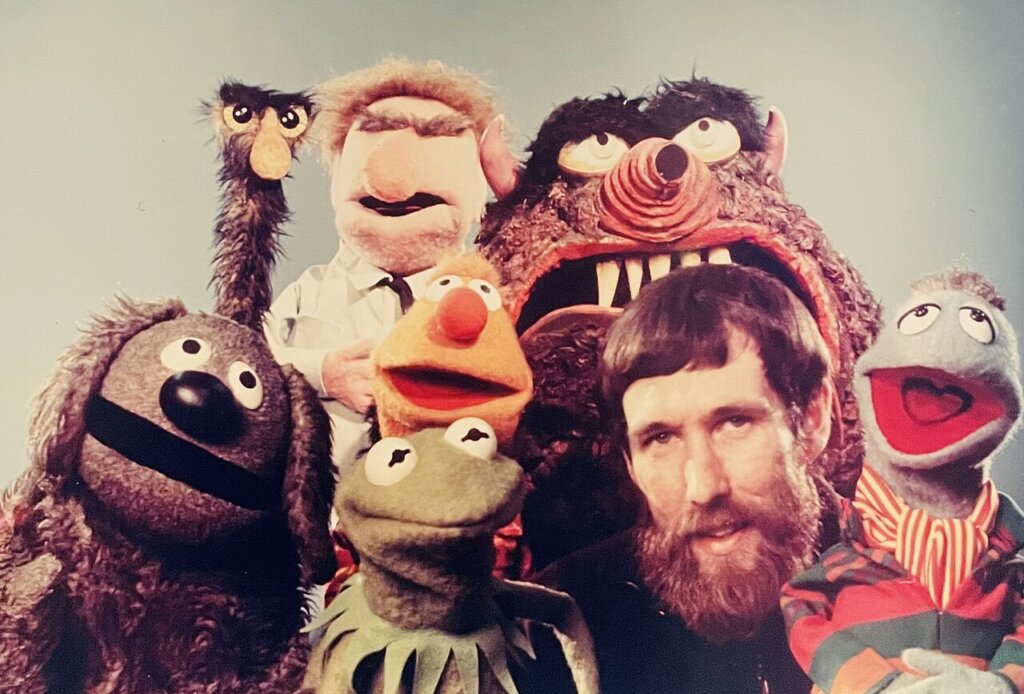
Before 1976, puppetry was largely relegated to children’s programming, but Jim Henson’s The Muppet Show fundamentally changed the rules. By blending vaudeville-style sketches, sophisticated humor, and A-list celebrity guest stars, Henson created a wildly inventive variety show that appealed to adults just as much as children. The series became a massive international hit, introducing the world to iconic characters like Miss Piggy and Fozzie Bear. Its unique format demonstrated that family-friendly entertainment could be deeply clever and artistically ambitious, cementing its historical legacy.
Wonder Woman: Bringing Comic Books to Prime Time
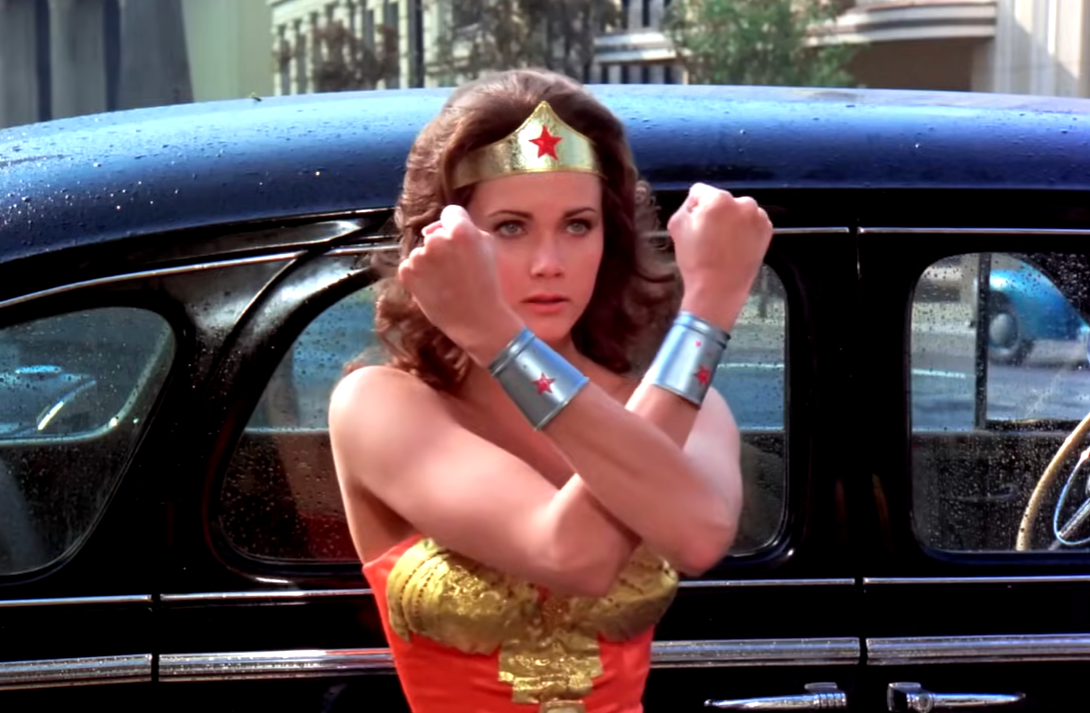
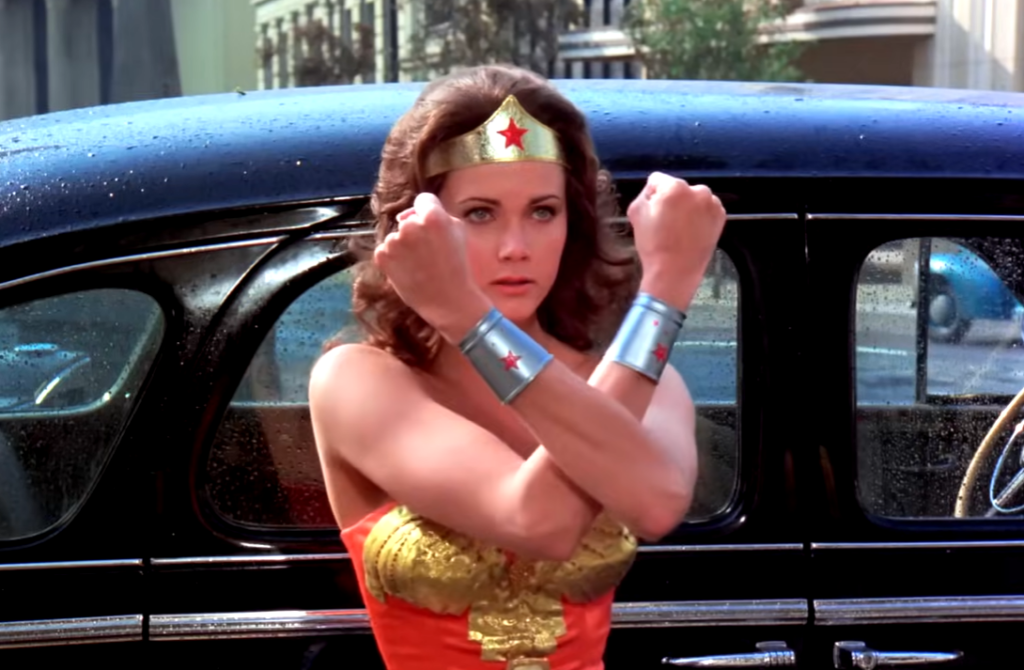
The debut of Wonder Woman proved to be a watershed moment for the superhero genre, elevating comic adaptations from campy novelties to compelling action-dramas. Starring Lynda Carter, whose portrayal remains the gold standard, the series brilliantly captured the strength and idealism of the Amazonian princess. While early superhero shows struggled to be taken seriously, Wonder Woman balanced its action sequences with themes of justice. Its enduring influence serves as the critical blueprint for the massive wave of superhero content currently dominating entertainment.
The Bionic Woman: Sci-Fi’s Groundbreaking Heroine
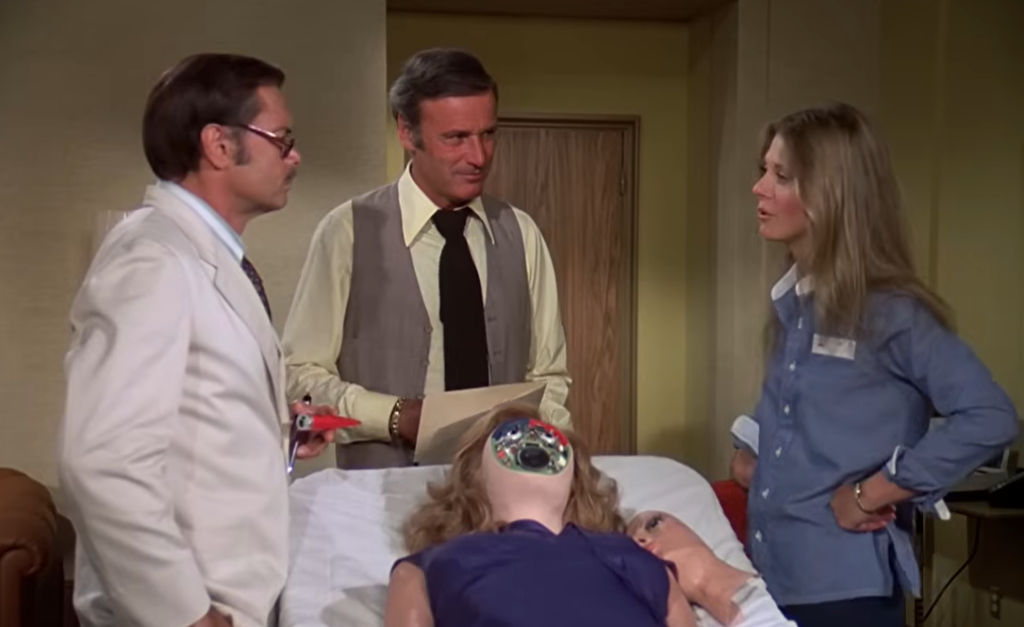
Spinning off from The Six Million Dollar Man, The Bionic Woman cemented 1976 as a monumental year for female-led science fiction. Lindsay Wagner starred as Jaime Sommers, a tennis pro who gained superhuman abilities following a devastating skydiving accident. The series pushed the boundaries of television visual effects while delivering deeply emotional narratives about resilience. Wagner’s nuanced performance earned her a Primetime Emmy Award, and the show’s massive popularity proved that sci-fi television could successfully focus on a complex female protagonist.
Family Feud: Reinventing the Game Show Genre
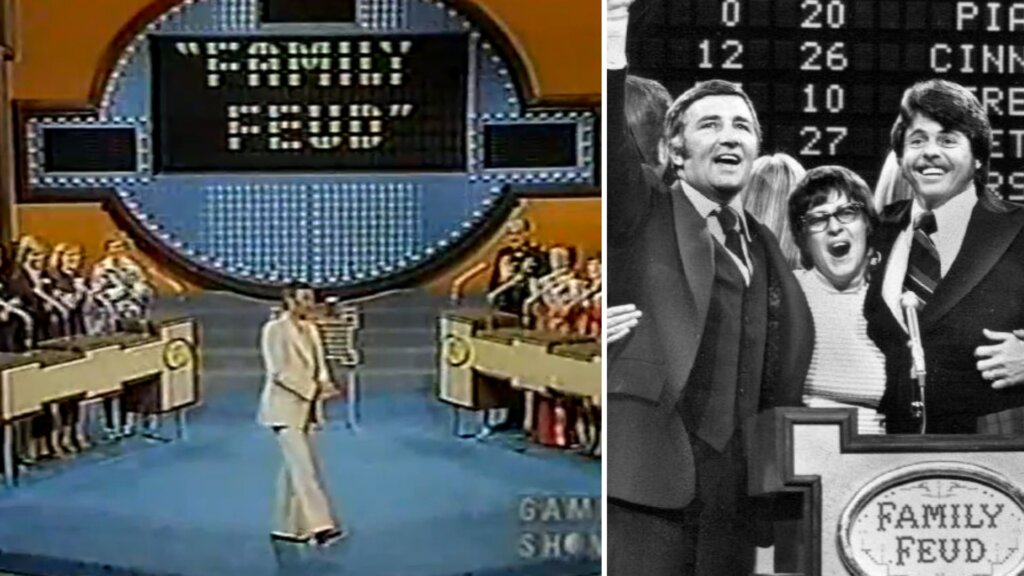
While scripted dramas evolved, daytime television experienced a massive disruption with the premiere of Family Feud. Hosted by the charismatic Richard Dawson, the show introduced a radically new concept: asking families to guess the results of audience surveys rather than answering factual trivia. This shift from pure knowledge to cultural psychology made the show incredibly interactive. The format encouraged lively banter and emotional celebrations. Celebrating its 50th anniversary, the show remains one of the most successful game show formats in global broadcasting history.
One Day at a Time: Tackling Real-World Family Dynamics
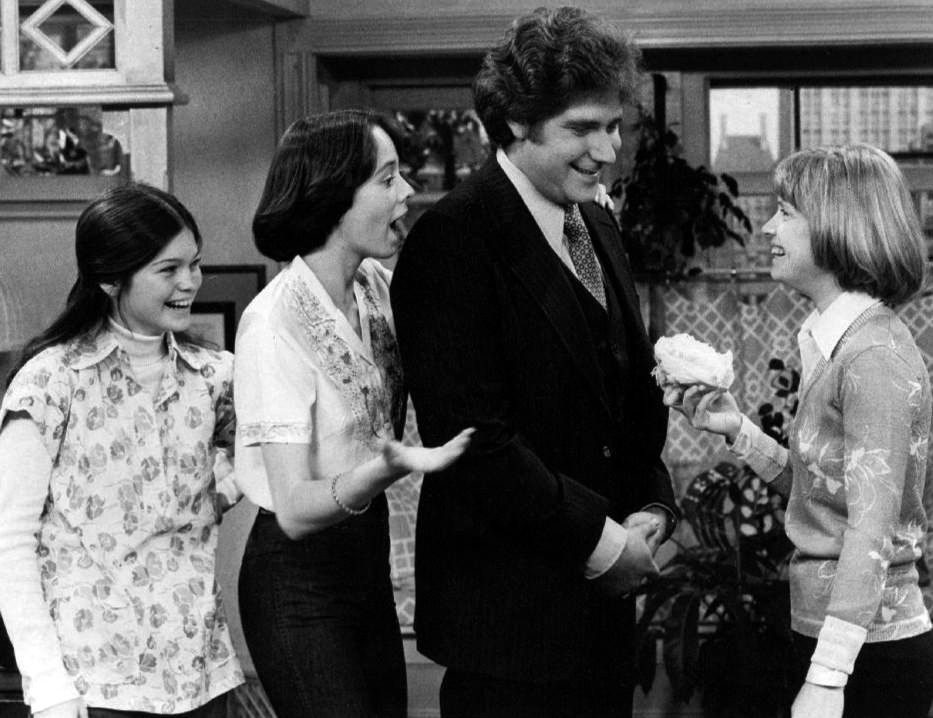
Produced by Norman Lear, One Day at a Time boldly challenged the idealized nuclear family structure that had dominated television. The sitcom broke major ground by focusing on a divorced single mother, played by Bonnie Franklin, raising two teenage daughters in an Indianapolis apartment. The series never shied away from taboo subjects such as teenage rebellion, financial struggles, and modern parenting realities. By combining brilliant comedic timing with poignant social commentary, the show paved the way for authentic depictions of American life.
The Rise of Female-Led Prime-Time Hits
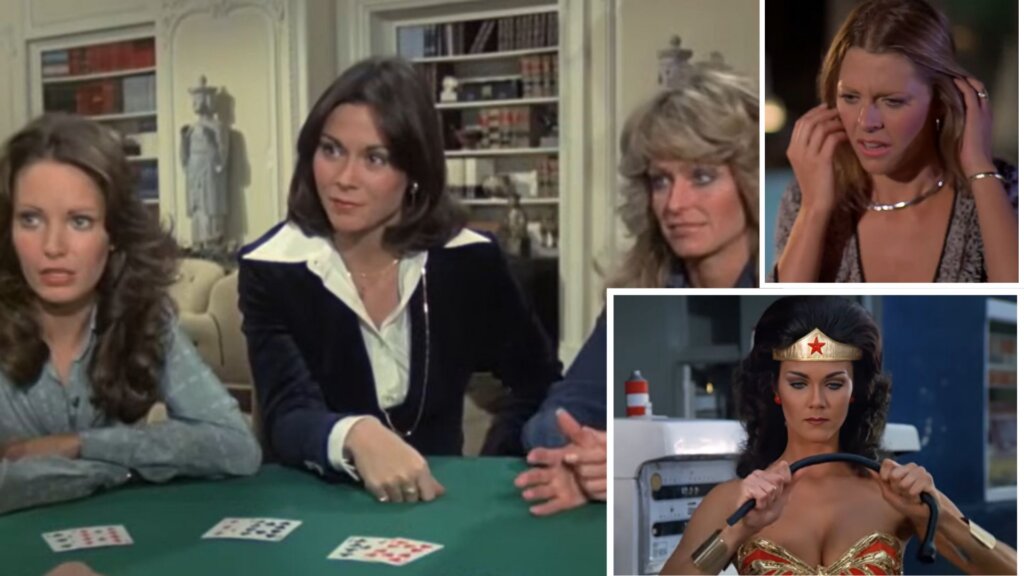
The most significant historical takeaway from the 1976 television season is the undeniable rise of female-led programming. For decades, men dominated lead roles in action, comedy, and drama, but this specific year completely dismantled that status quo. Audiences enthusiastically embraced shows centered on strong, independent women navigating complex careers, fighting crime, and managing their households. This sudden shift wasn’t just a fleeting trend; it represented a permanent evolution in the industry. The success of these shows proved that female-centric narratives were massive commercial juggernauts.
Why Short-Lived Flops Also Defined the Era
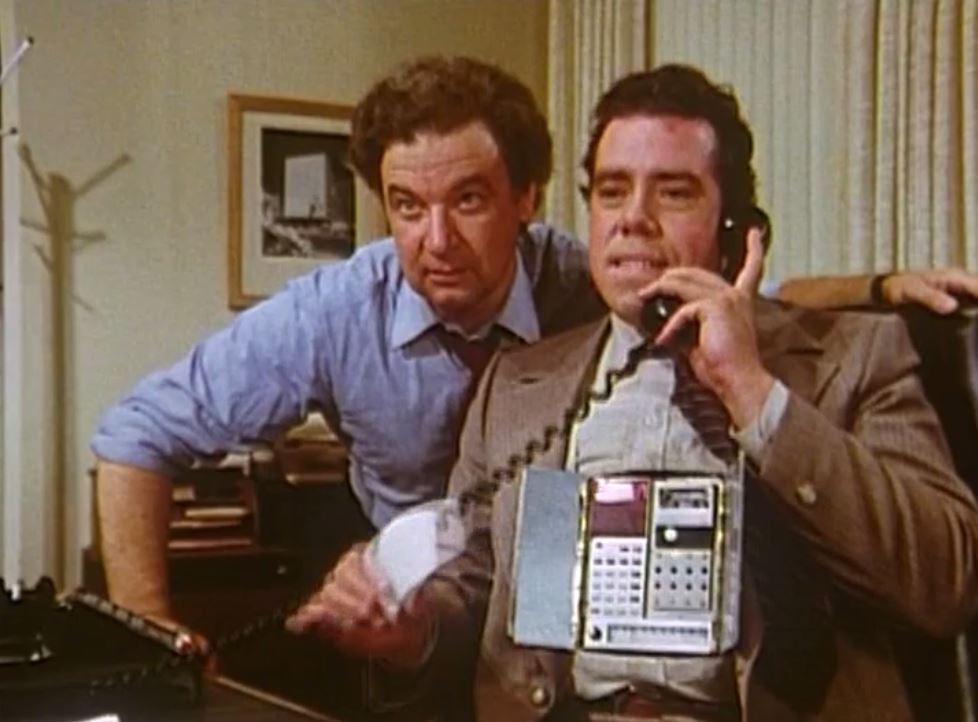
While 1976 produced enduring classics, the era was also characterized by rapid experimentation that sometimes resulted in spectacular failures. For every hit, networks pushed out bizarre concepts like Holmes & Yoyo, a panned comedy about a cop and his android partner, or quickly canceled variety shows like Cos. However, these short-lived flops are an essential part of the story. They highlight the incredible creative risks television executives were willing to take. Without that willingness to experiment, genuinely groundbreaking shows would never have aired.
The Enduring Legacy of 1970s Television
As these iconic shows officially turn 50 this year, their lasting impact on the entertainment industry is undeniably evident. The 1976 television season dismantled outdated tropes, introduced revolutionary formats, and championed diverse representation in ways that forever changed the medium. From high-flying superheroes and glamorous detectives to groundbreaking sitcoms and beloved puppets, these programs established the creative foundation of modern television. Half a century later, the shows that captured our imaginations still hold a cherished place in our hearts. Which ones were your favorites?