

Products are selected by our editors, we may earn commission from links on this page.
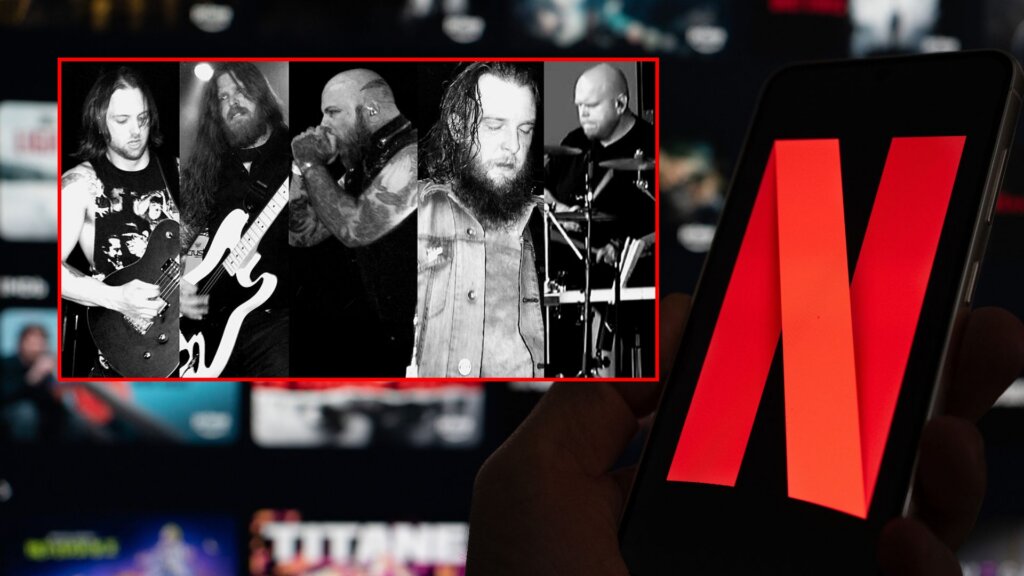
Picture spending $500 on concert tickets for your kids, only to realize you bought passes to the wrong show entirely. That is exactly what happened to one parent, and it is now at the center of a real lawsuit. A Christian metal band called Demon Hunter has sued Netflix, claiming the streaming giant’s smash animated hit “KPop Demon Hunters” has hijacked its name and confused fans for months. Here is how it happened.
Meet Demon Hunter, the Band Behind the Lawsuit

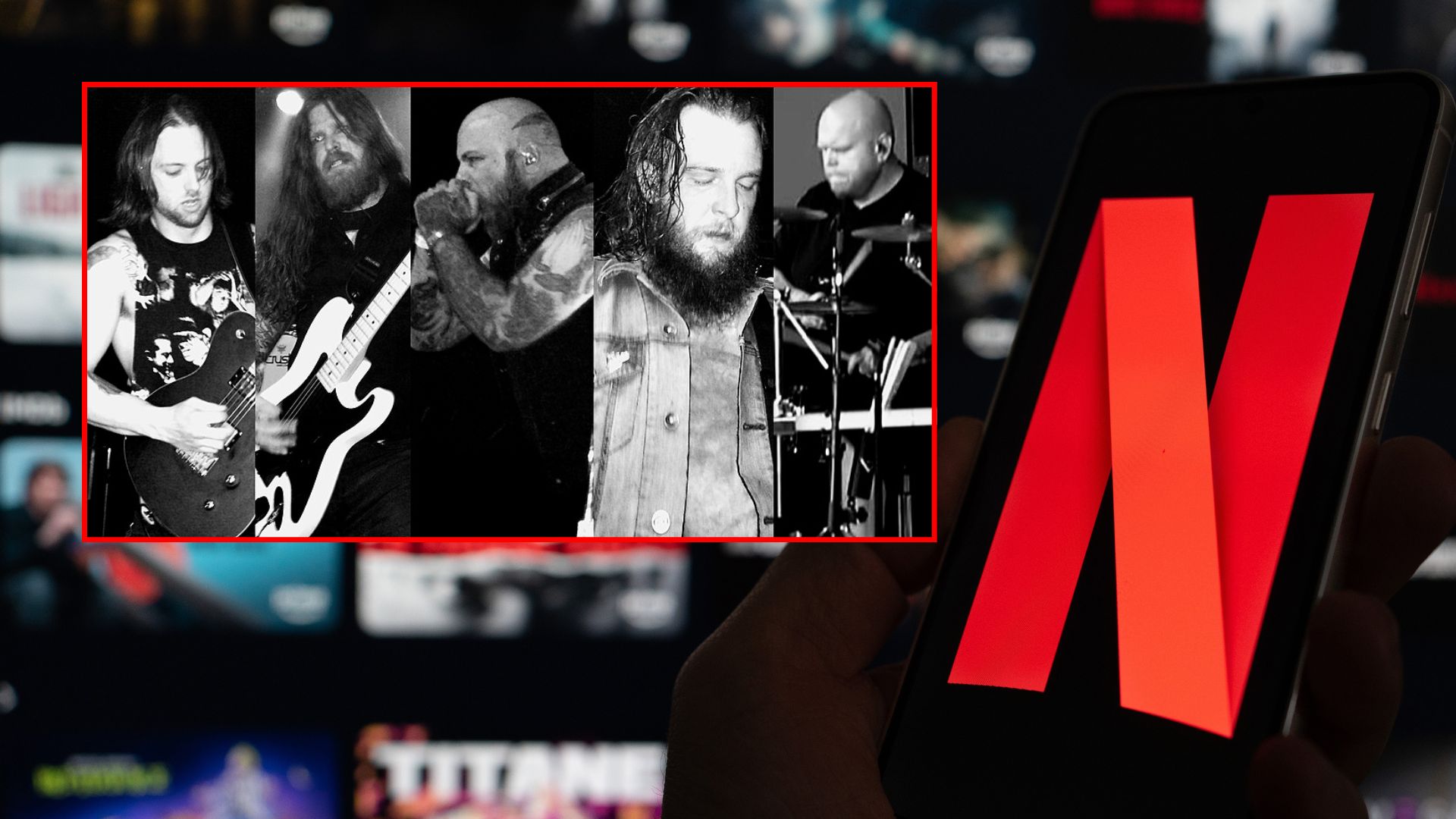
Demon Hunter is not new. Formed in 2000 in Seattle by brothers Ryan and Don Clark, the Christian metalcore band has spent a quarter century releasing music and touring for its fans. The group has put out 12 studio albums, built more than 363,000 followers, and racked up 348,000 monthly Spotify listeners with songs like “Dead Flowers” and “Someone to Hate.” Then, in 2025, a very different kind of hit stole the spotlight.
Netflix’s Animated Movie Becomes a Global Phenomenon
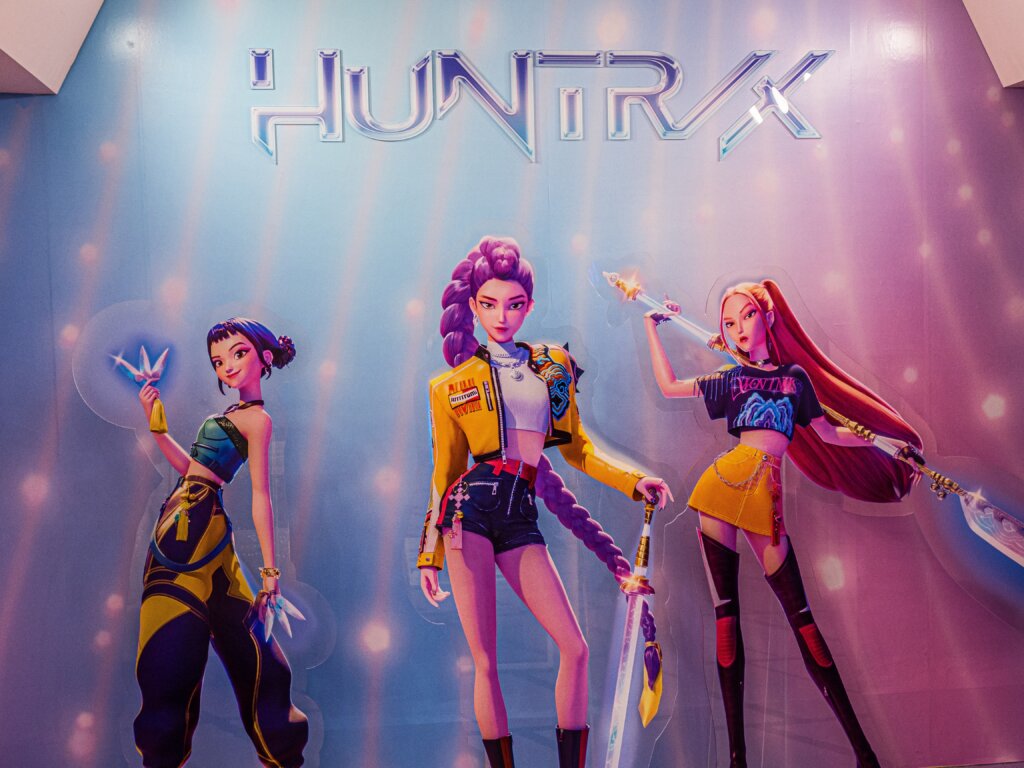
In June 2025, Netflix released “KPop Demon Hunters,” an animated musical fantasy about Huntrix (HUNTR/X), a fictional girl group that battles demons. Produced by Sony Pictures Animation, the film became a runaway success, racking up more than 600 million views and spending 52 weeks on Netflix’s global top ten list. Its soundtrack topped Billboard’s albums chart, and the song “Golden” made history as the first K-pop track to win an Oscar. Success brought scrutiny.
Two Names That Sound Too Similar
The trouble, according to Demon Hunter’s lawsuit, is that “KPop Demon Hunters” simply absorbs its own trademark, “Demon Hunter,” word for word. The band’s company, Hyde Lane, first trademarked the name in 2014 for live performances, then added protections for recorded music and merchandise in 2022. Netflix, meanwhile, has filed at least ten of its own trademark applications for “KPop Demon Hunters” since August 2025. Both sides claim they got there first.
The $500 Mix-Up That Started It All

The lawsuit’s key example involves a parent in Albany, New York who spent $500 on Demon Hunter tickets, believing they had booked a KPop Demon Hunters concert for their five- and six-year-old daughters. Once they realized the mistake, the parent emailed the band’s team asking for a refund, writing they could not afford to buy tickets to the actual “K pop demon hunters show.” The band says the email shows real, damaging confusion between the two names.
More Cases of Mistaken Identity

The Albany ticket mix-up was not an isolated incident, according to the lawsuit. A producer from the show “Inside Edition” reportedly emailed Demon Hunter’s manager seeking an interview with a KPop Demon Hunters songwriter after the film’s Oscar win. Social media users have also tagged the band in posts meant for the movie. Demon Hunter argues that its identity is being erased, swallowed up by a franchise most people now associate with an entirely different sound and audience.
A Band of Rockers, a Movie About Pop Stars
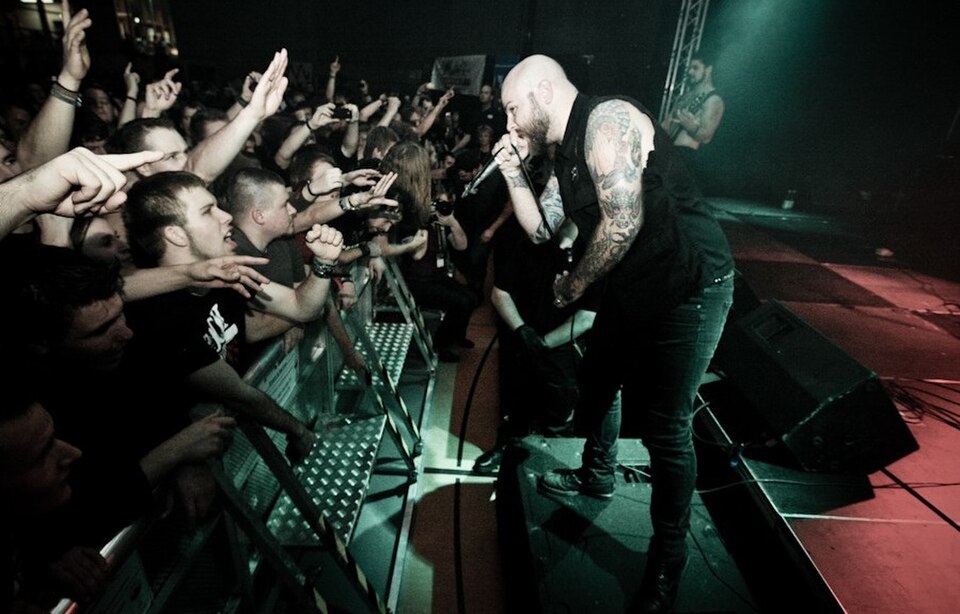
Critics online have been quick to point out the differences. Demon Hunter is an all-male Christian metalcore act known for heavy guitars and religious themes, while KPop Demon Hunters follows Huntrix, a fictional Korean girl group with pop anthems. Some commentators argue the mix-up says more about inattentive ticket buyers than genuine trademark confusion. Still, under U.S. law, one documented case of a consumer mistaking one for the other can carry real legal weight.
What Demon Hunter Wants From Netflix

The lawsuit, filed in a California federal court, targets Netflix, Netflix Studios, and concert promoter AEG Presents, which is organizing a planned KPop Demon Hunters world tour. Demon Hunter’s company, Hyde Lane, is asking a judge to block Netflix from using the name in connection with music, live shows, and merchandise. It is also seeking unspecified damages and a jury trial, arguing Netflix built its empire while ignoring an existing trademark it should have known about.
Netflix Pushes Back, Calling the Claims Baseless

Netflix has firmly denied any wrongdoing. A company spokesperson said the allegations are without merit, adding that Netflix created an Academy Award-winning global phenomenon that has inspired fans everywhere with its music, storytelling, and characters. The company says it plans to vigorously defend itself in court. Meanwhile, momentum around the franchise keeps building, with a sequel already confirmed and reports of a possible television series and stage musical in development.
A Small Band, a Streaming Giant, and an Unsettled Question

This case boils down to a simple but thorny question: how much protection does a small, long-running band deserve when a massive company builds something similar, even by accident? Trademark law says confusion matters more than intent, and Demon Hunter has real examples to point to. Whether a judge agrees remains to be seen. For now, one thing is certain: before buying tickets to any demon-hunting show, double-check exactly what you are getting.