

Products are selected by our editors, we may earn commission from links on this page.
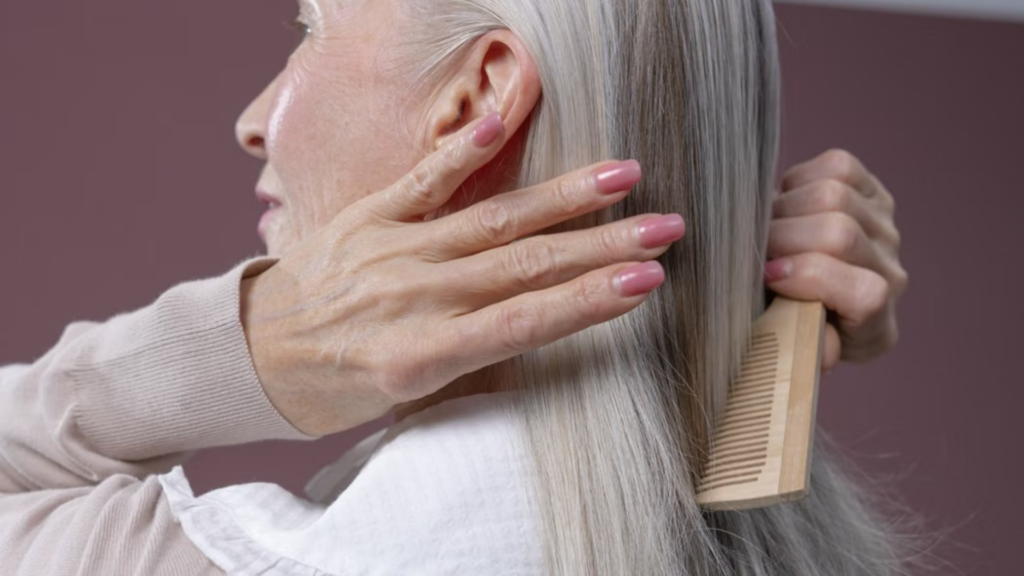
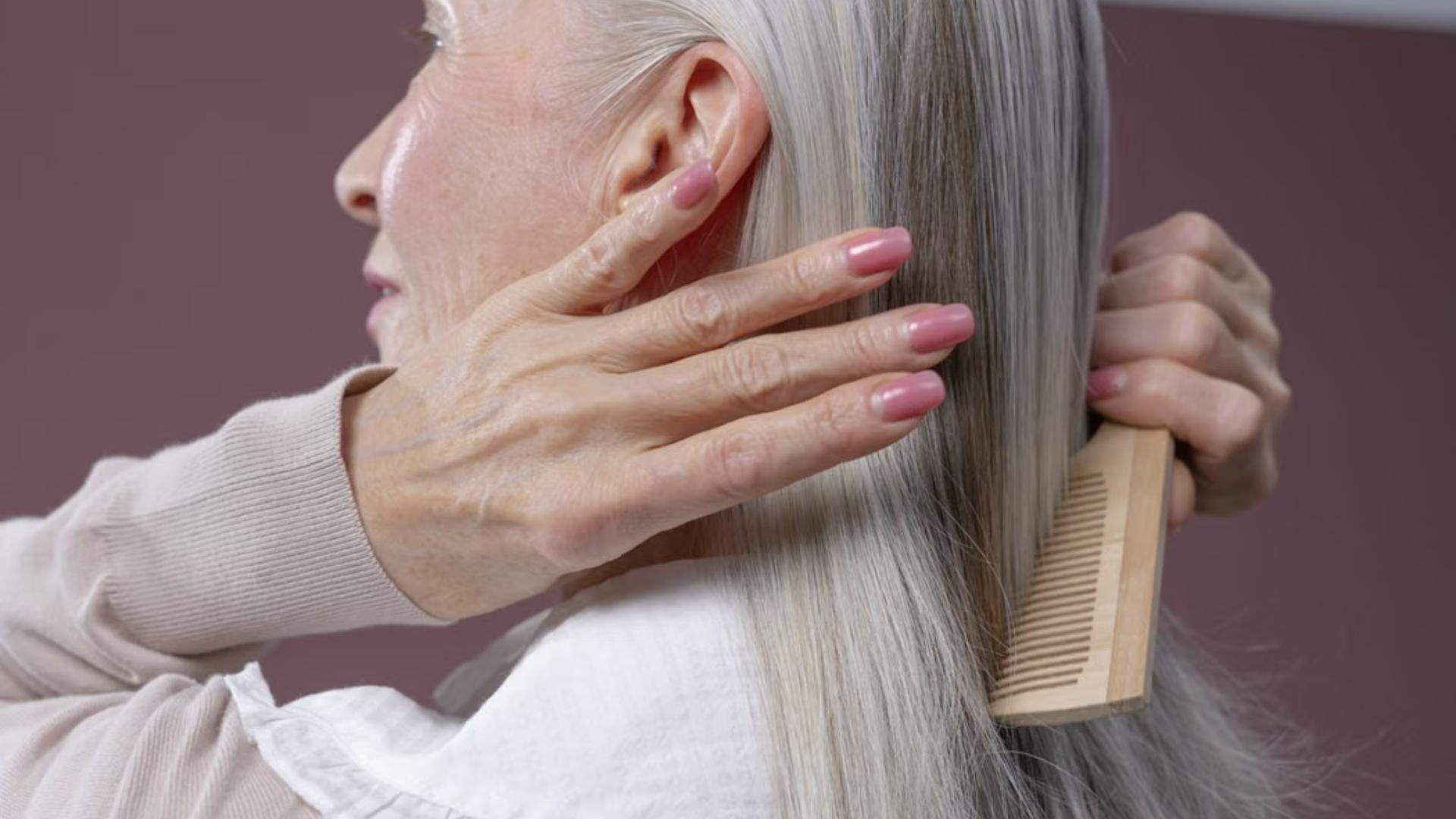
Hair does not remain the same throughout adulthood, and the routine that worked well in your 20s may not provide the same results later in life. As people age, individual hair strands can become finer, hair density can decrease, and changes in pigment can affect the texture and appearance of gray hair. Experts also note that the scalp and hair can become drier, making moisture and gentle care increasingly important.
The aging process can begin to become noticeable in the 30s and 40s, when the diameter and density of hair may gradually decline. Hormonal changes, including those associated with menopause, can make these changes more pronounced, while stress, pregnancy, and environmental exposure can also affect hair growth and condition.
That means haircare should evolve along with the hair itself. Rather than continuing to use the same products and styling habits indefinitely, experts recommend paying closer attention to moisture, breakage, heat exposure, and the overall condition of both the hair and scalp.
Why Gentler Haircare Becomes More Important
One of the most important changes with aging hair is that it can become more vulnerable to dryness and breakage. As hair loses some of its natural moisture and lipids, aggressive washing, excessive heat and harsh styling techniques can leave already fragile strands feeling rougher and more damaged.
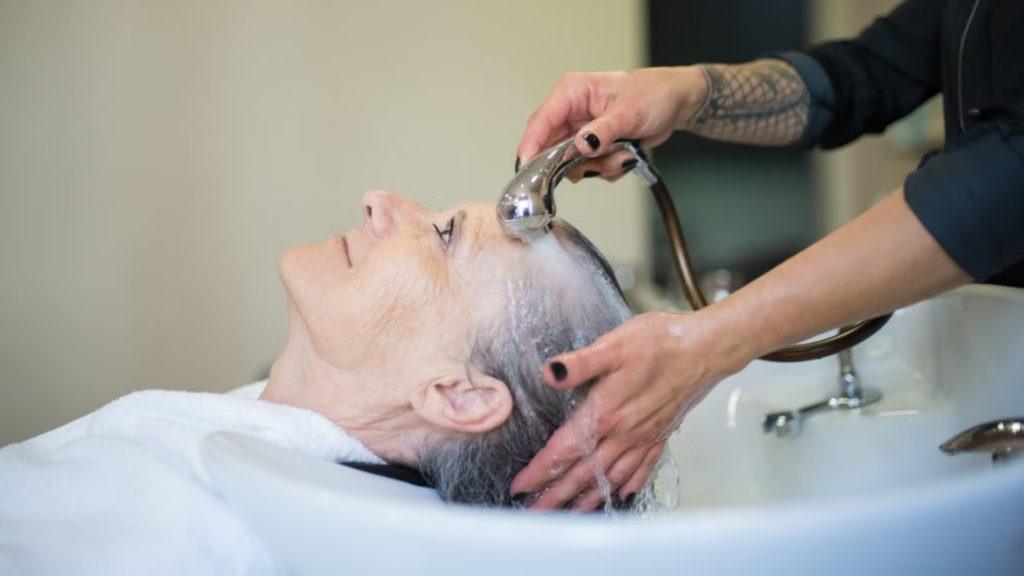
Experts recommend avoiding very hot water when washing because excessive heat can strip natural oils from the hair and scalp. Heat styling should also be approached more carefully, with a heat protectant used before hot tools and lower temperature settings preferred when possible.
Frequent trims can also help manage split ends and prevent damaged sections from traveling farther up the hair shaft. While trimming does not change how quickly hair grows from the scalp, it can help older or fragile hair look healthier and reduce the amount of breakage that makes hair appear thinner.
Adjusting Your Routine for Thinner and Drier Hair
As hair becomes finer, many people naturally want more volume, but some traditional volumizing approaches can work against the needs of aging hair. Certain products create volume by lifting or roughening the hair cuticle, which may leave already dry or brittle strands feeling less smooth.
A better approach may involve lightweight moisture combined with styling techniques that create the appearance of fullness without unnecessarily stressing the hair. Products designed for volume can still be useful, but the goal is to support the hair fiber rather than relying on excessive heat, heavy buildup, or aggressive manipulation.
Haircare products alone also cannot reverse every change associated with aging. Good nutrition, adequate hydration, protection from excessive ultraviolet exposure, and careful styling all contribute to maintaining the condition of the hair, while persistent or sudden thinning should be discussed with a healthcare professional because hair loss can have many different causes.
A Smarter Haircare Routine Can Help Hair Age Gracefully
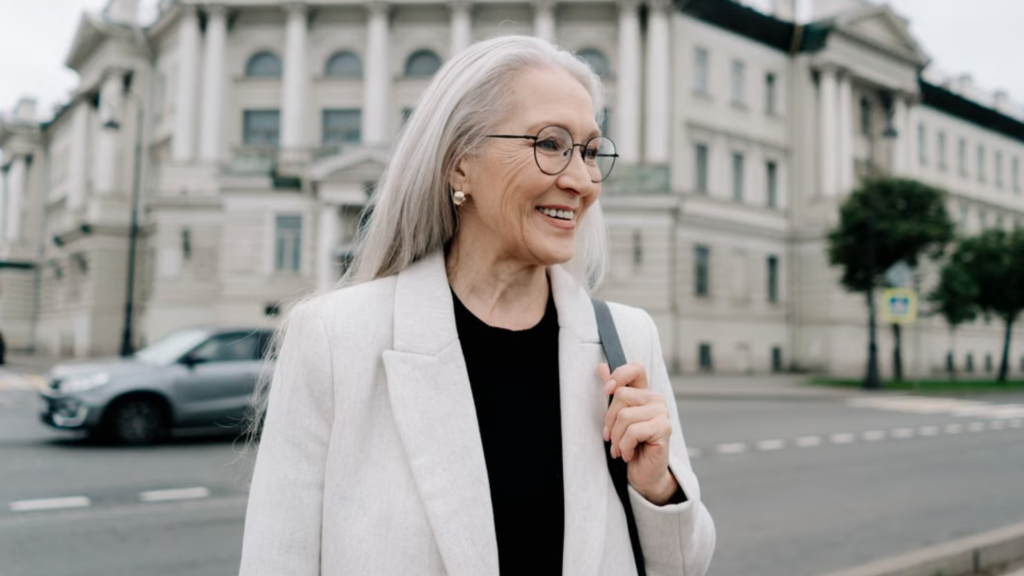
The biggest lesson is that aging hair often needs a more protective routine rather than simply more styling products. Lowering heat exposure, avoiding very hot showers, using heat protection, keeping hair moisturized, and scheduling regular trims can all help reduce avoidable damage as strands become finer and more fragile.
It is also important to remember that there is no single routine that works for everyone. Hair texture, density, scalp condition, genetics, medications, hormonal changes, and lifestyle can all influence how hair changes with age, so the right approach may involve experimenting with gentler products and seeking professional advice when significant changes occur.
Ultimately, getting older does not mean healthy-looking hair has to become impossible to maintain. By recognizing that hair’s needs change over time and adjusting daily habits accordingly, people can protect their strands, reduce unnecessary breakage, and maintain a healthier appearance as their hair continues to evolve.