


Products are selected by our editors, we may earn commission from links on this page.

For decades, sunlight has been treated almost like a hazard, something to block, cover up, and limit at every turn. But one journalist who spent years chasing that advice started noticing how his own mood, energy, and health shifted with the seasons anyway, and began digging into research most people never hear about. His new book, In Defense of Sunlight, argues that avoiding the sun may be doing more harm than the sun itself could.
Long Vermont Winters Sparked the Question

Rowan Jacobsen, the book’s author, lives in Vermont, where winters run long and gray, and he began noticing troubling patterns in himself each year. He felt puffier, his blood pressure crept up, and a small stomach paunch appeared despite regular cross-country skiing. Friends and neighbors seemed to lose their mental edge too, with many slipping into low moods. Come summer, his senses sharpened, his skin looked healthier, and his energy returned quickly.
Sunlight Triggers a Cascade of Hormones
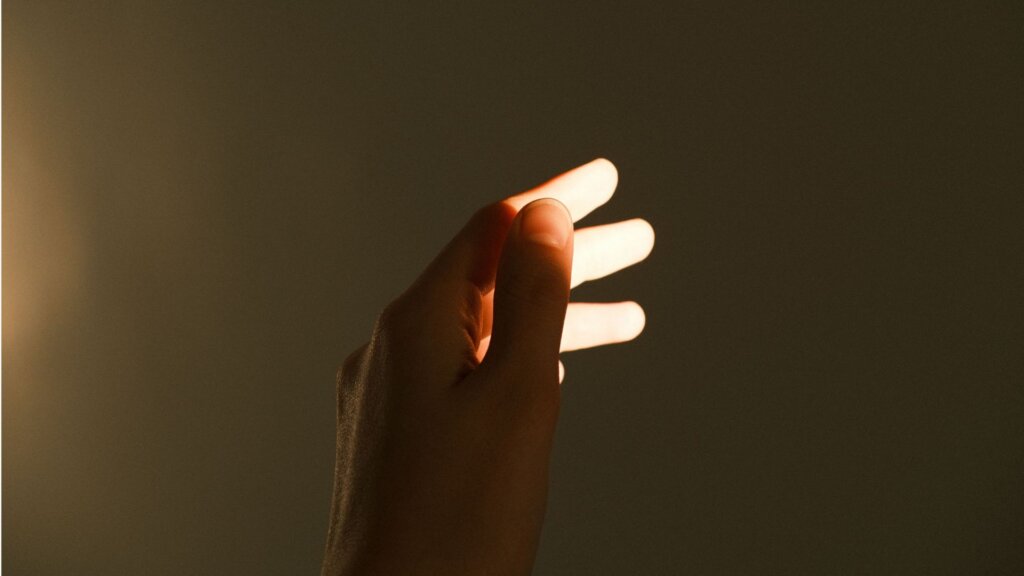
There may be a biological reason for that. A 2014 Harvard Medical School study found that skin exposed to sunlight releases a cascade of hormones. One triggers melanin, the pigment that tans skin and doubles as a powerful antioxidant. Sunlight also prompts cortisol, often blamed for stress, but actually the hormone that helps cells respond to it. A third compound, an endorphin, produces a mild natural high, and researchers found that blocking it triggered withdrawal symptoms.
A 2018 Study Linked Sun to Sharper Minds

Four years later, a neurology team in China published a study in the journal Cell using new technology to analyze individual neurons. They found that sunlight hitting the skin of mice triggered a release of glutamate, a key neurotransmitter, which improved both learning and memory. Jacobsen began testing this on himself, noticing that a dose of morning light consistently led to sharper, more productive days, a boost he described as almost fuel-like.
Eight Years of Data Tell a Striking Story
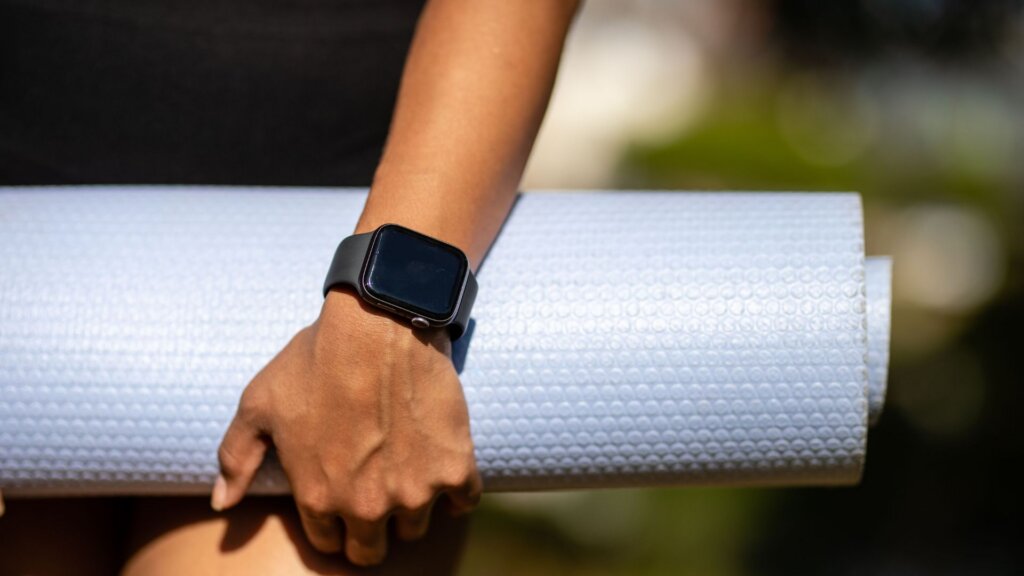
A 2024 U.K. study tracked light exposure using sensor-equipped watches worn by 89,000 volunteers, then followed the group for eight years to see who survived. Those who got the most daylight were 34 percent less likely to die than people with below-average exposure. Even after accounting for exercise, diet, smoking, and sleep, the sun-exposed group was still 17 percent less likely to have died.
The Real Numbers Behind Sun-Related Deaths

Jacobsen argues sunlight’s danger looms larger in public perception than in the data. He cites a figure suggesting sunlight contributes to about 130,000 deaths worldwide each year, compared with roughly 20 million from cardiovascular disease and 10 million from other cancers. By contrast, he notes skin cancer alone causes about 120,000 annual deaths globally. Separately, 15 scientists estimated that insufficient sun exposure contributes to around 820,000 deaths yearly across Europe and the United States.
Guidelines Were Built for the Palest Skin

For decades, sunlight’s benefits were attributed mostly to vitamin D. But Jacobsen notes that vitamin D supplements raise blood levels without matching the benefits of sun exposure, pointing to factors like nitric oxide or reduced inflammation. He also argues that most sun safety guidelines were built around the palest skin tones. People with darker skin face higher rates of cardiovascular disease and diabetes, both linked to low sun exposure, while facing a lower skin cancer risk.
Tanning Culture Is Making a Comeback
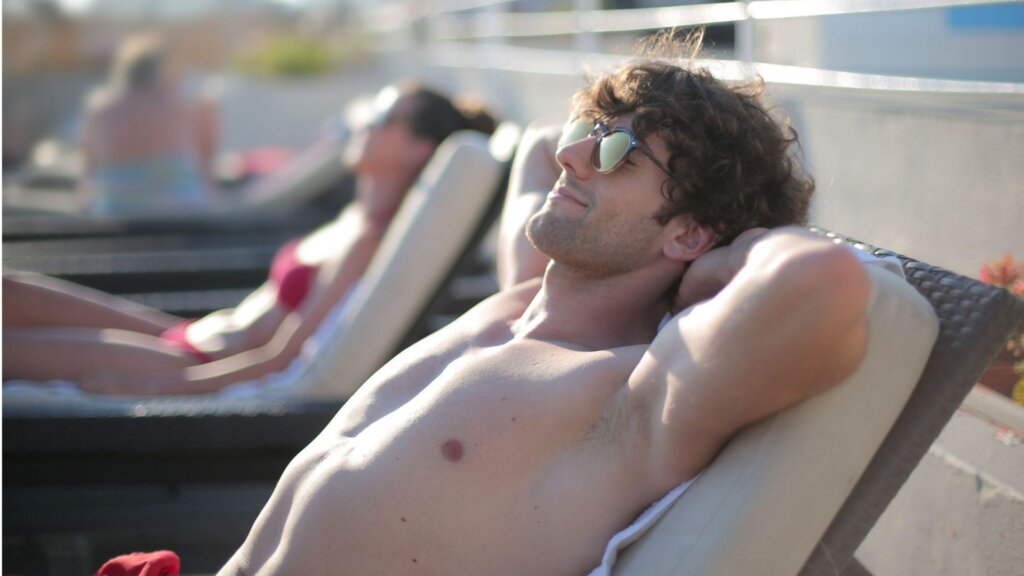
The book arrives amid a cultural shift. Allure reports that tanning has surged, especially among Gen Z and Alpha, with viral videos showing people tracking the UV index to sunbathe. An American Academy of Dermatology survey found that more than 20 percent of Gen Z respondents prioritized tanning over protecting their skin. The CDC reports that only 12 percent of men and 30 percent of women always use sunscreen outside for over an hour on a sunny day.
Dermatologists Are Pushing Back Hard

Not everyone is convinced. Murad Alam, MD, president of the AAD, told Allure the book seeks to undermine decades of public health guidance on skin cancer, the most common U.S. cancer. He called its research thin. Jacobsen rejects the idea that he opposes sunscreen. He wears it when burning is a risk but leans on hats and sleeves otherwise. Allure reports that about fifteen minutes of unprotected sun daily may be enough for most people.
The Takeaway Is Simpler Than It Sounds

Jacobsen’s larger point is less about maximizing sun and more about ending total avoidance. He does not dispute that unprotected exposure raises skin cancer risk, and he still recommends sunscreen for anyone at risk of burning. But he believes the pendulum swung too far toward staying indoors, and that a short walk outside each day, hat and sunscreen included if needed, may matter more for long-term health than most people currently assume.