

Products are selected by our editors, we may earn commission from links on this page.
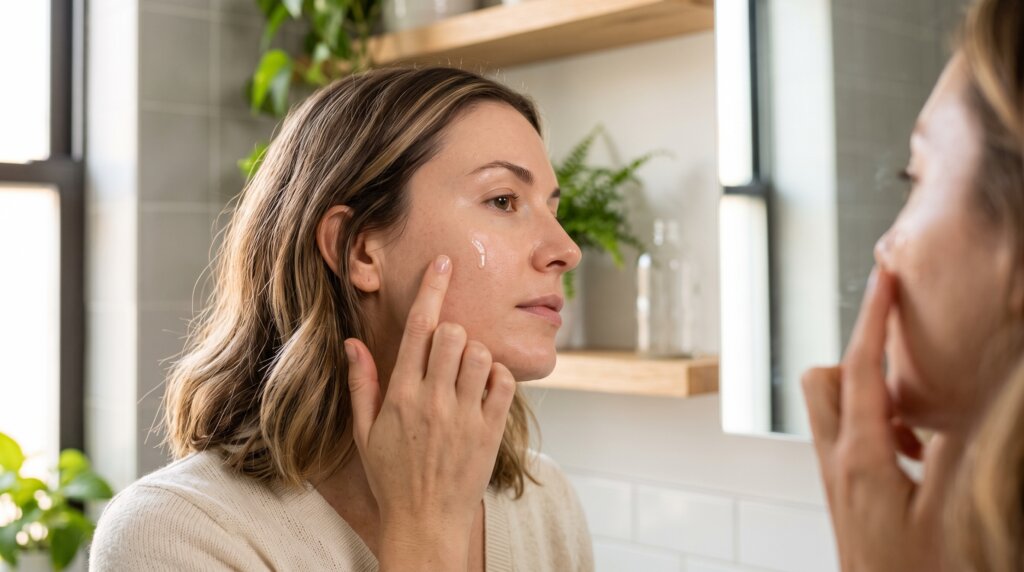
If you spend any time on beauty content online, you have probably seen the word volufiline pop up again and again. It is being called everything from “filler in a bottle” to a needle-free alternative to injectables, and it has become especially popular in Korean beauty circles. But bold claims on social media do not always match the science behind them. Dermatologists and beauty experts have started weighing in on whether this trending ingredient can really deliver the dramatic results people are describing online, or whether the hype has outpaced the evidence. Here is what is actually known about it.
This article was created with the assistance of AI and reviewed by our editorial team for accuracy and clarity.
Volufiline Is Not Actually an Ingredient Name

Here is something many shoppers do not realize. Volufiline is not a scientific ingredient name at all. It is a trademarked name owned by the French company Sederma for an ingredient it developed. Its active component comes from a plant extract long used in traditional Chinese medicine. For anyone curious about the technical details, the active compound is called Sarsasapogenin, a steroidal saponin extracted from the roots of a plant known as Anemarrhena asphodeloides. Knowing this helps explain why the ingredient shows up under the same brand name across many different skincare products from different companies.
It Works Very Differently Than Hyaluronic Acid

Most people are familiar with hyaluronic acid, which plumps skin by drawing in and holding onto water. Volufiline is marketed as working through a completely different mechanism. According to beauty commentators, it is designed to help fat cells beneath the skin appear slightly fuller by attracting fat lipids, which is said to create the look of added volume. This is a very different process than simple hydration. It is also why some marketing has compared it to injectable treatments, even though the underlying biology and results are far from identical.
A Dermatologist Raises Doubts About the Claims

Professor Deshan Sebaratnam, a dermatologist at The Skin Hospital, explained that volufiline is marketed as acting on fat cells to plump skin and soften fine lines. However, he was clear that he is not aware of any high-quality scientific studies supporting these claims. This is an important distinction. A theory about how an ingredient might work is not the same as proof that it actually delivers visible results in real people. Without solid independent research, claims about dramatic plumping effects remain largely unverified.
Most of the Supporting Evidence Comes From the Manufacturer

One detail that often gets lost in social media hype is where the positive research actually comes from. According to beauty experts, most of the favorable data on volufiline has been produced or funded by the company that developed it. This does not automatically mean the findings are false, but it does mean the evidence should be viewed carefully. It is common for newly patented cosmetic ingredients to be studied first by their own manufacturers, with independent research following later, if it happens at all.
Any Real Effect Is Likely to Be Subtle

Even accounting for the limited research available, experts are cautious about how noticeable any results might actually be. Dr Sebaratnam noted that any change volufiline offers is likely to be fairly subtle rather than dramatic. This lines up with how skincare ingredients typically perform compared to medical procedures. Topical products can support skin texture and hydration over time, but they generally do not produce sudden or major changes in facial volume the way injectable treatments are designed to.
Calling It Filler in a Bottle Is a Stretch

The nickname “filler in a bottle” has fueled much of the excitement around volufiline, but experts push back on this comparison. Dr Sebaratnam said that calling it filler in a bottle or a needle-free alternative would be generous. He was direct in stating that no topical skincare ingredient can offer the same increase in volume that an injectable filler provides. This distinction matters for anyone comparing a serum to an actual cosmetic procedure performed by a trained professional.
Fillers Come With Their Own Risks Worth Knowing

While Volufiline may not match the effects of injectable filler, that does not mean fillers themselves are risk-free. Dr Sebaratnam pointed out that fillers carry the potential for more serious side effects, including, in rare cases, vision problems. This is a useful reminder that stronger results often come with higher stakes. A skincare serum carries far less risk than a needle-based procedure, even if its effects on volume are much more modest by comparison.
Should You Actually Try It Yourself

Despite the limited evidence, experts do not think people need to avoid volufiline altogether. Beauty commentators noted there is no harm in using it, though nobody should expect it to solve every skin concern. If you are already looking for a new serum that supports skin texture, hydration, and a bit of plumpness, a volufiline product could be a reasonable addition to your routine. The key is keeping expectations realistic rather than treating it as a replacement for proven treatments or professional advice.
The Bottom Line on This Viral Skincare Trend
Volufiline is an interesting ingredient worth watching, but it is not a substitute for dermal filler, and the current evidence remains limited. Experts suggest it is best treated as a mild addition to a routine rather than a breakthrough treatment. For anyone focused on proven anti-aging strategies, Dr Sebaratnam recommends daily broad-spectrum SPF50+ sunscreen and vitamin C in the morning, along with vitamin A at night. Those ingredients have far more research behind them than any trending ingredient currently making the rounds online.